The primary role of 70% alcohol is to clean, preserve, and condition the wing tissue prior to mounting. In the context of geometric morphometric analysis, soaking dissected honeybee forewings in this solution is a critical step that ensures the wings remain flexible enough to be arranged flat on glass slides for accurate digital imaging.
By maintaining tissue pliability, 70% alcohol prevents the brittleness that leads to wing damage, ensuring the sample can be mounted perfectly flat—a non-negotiable requirement for capturing valid geometric data.
The Mechanics of Wing Preparation
Cleaning and Debris Removal
The initial function of the alcohol soak is to clean the specimen. It helps remove biological residue or environmental debris from the dissected forewings. This ensures that the wing venation—the network of veins used as landmarks in analysis—remains unobstructed and clearly visible.
Preservation of Biological Integrity
Alcohol acts as a preservative for the biological material. Soaking the wings prevents degradation of the tissue during the time gap between dissection and the final mounting process.
Conditioning for Flexibility
Perhaps the most technical function of the 70% alcohol solution is maintaining the "appropriate flexibility" of the wing tissue. Without this conditioning, the chitinous wing structures can become rigid or brittle. Pliable tissue allows the researcher to manipulate the wing without causing cracks or tears.
The Impact on Data Quality
Facilitating Slide Mounting
Geometric morphometrics relies on analyzing shape, which requires the conversion of a 3D structure into a 2D image. The flexibility provided by the alcohol allows the wing to be arranged neatly on a glass slide.
Ensuring Imaging Accuracy
Because the wing remains flexible, it can be pressed flat between the slide and the cover slip (or tape) without folding or distorting. This flatness is essential for high-quality imaging, as any curvature in the wing would distort the geometry and introduce error into the morphometric dataset.
Understanding the Trade-offs
The Risk of Improper Conditioning
If wings are not adequately soaked or if the concentration is incorrect, the tissue may not achieve the necessary state for mounting. A wing that is too dry will not lie flat, leading to optical distortion in photographs.
Balancing Handling and Durability
While the alcohol makes the wings flexible, they remain delicate structures. The goal is to achieve a balance where the wing is soft enough to flatten but firm enough to maintain its structural integrity during the arrangement process.
Making the Right Choice for Your Goal
To ensure your morphometric analysis yields reliable results, consider how you handle the preparation phase:
- If your primary focus is Image Clarity: Ensure the wings are thoroughly cleaned in the solution to remove any debris that could obscure vein junctions.
- If your primary focus is Geometric Accuracy: Prioritize the soaking duration to guarantee maximum flexibility, allowing the wing to be mounted perfectly perpendicular to the camera lens without curvature.
The quality of your data is determined not just by the software you use, but by the physical condition of the specimen at the moment of capture.
Summary Table:
| Function | Primary Benefit | Impact on Analysis |
|---|---|---|
| Cleaning | Removes debris and residue | Ensures unobstructed view of wing venation |
| Preservation | Prevents tissue degradation | Maintains biological integrity during preparation |
| Conditioning | Increases tissue flexibility | Allows for perfectly flat mounting on slides |
| Flatness | Eliminates curvature | Prevents optical distortion in digital imaging |
Elevate Your Apiary Research with HONESTBEE
Precise analysis starts with the right tools. At HONESTBEE, we understand the technical demands of modern beekeeping, from laboratory research to commercial production. We offer a comprehensive wholesale range of high-quality beekeeping tools, specialized machinery (including hive-making and honey-filling systems), and essential consumables designed for commercial apiaries and distributors.
Whether you are refining your bee breeding through geometric morphometrics or scaling your honey production, our expert team provides the hardware and merchandise you need to succeed.
Ready to upgrade your equipment? Contact us today to explore our wholesale solutions!
References
- Nicolás F. Barriga, Patricia Loreto Aldea. GENETIC CHARACTERIZATION OF HONEY BEES (Apis mellifera) IN THE DRY COASTAL ZONE OF THE O’HIGGINS REGION, CHILE. DOI: 10.29393/chjaas36-24cgnb30024
This article is also based on technical information from HonestBee Knowledge Base .
Related Products
- Assembled Wooden Bee Frames with Beeswax Foundation Ready to Use by HONESTBEE
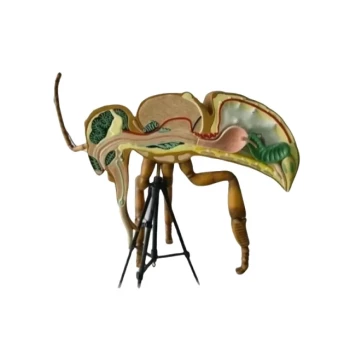
- HONESTBEE Anatomy Bee Model Detailed Anatomical Display for Education and Study
- Iconic Maya the Bee Mascot Costume Professional Engaging Character Outfit
- Honey Bee Lifecycle Model: A Detailed Honeycomb Display of Bee Development
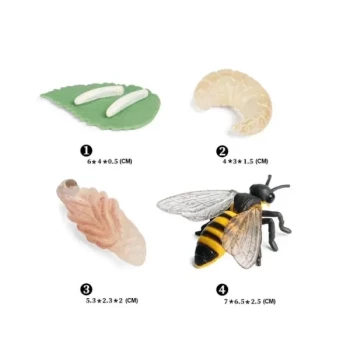
- Honey Bee Life Cycle Model 4 Stage Educational Set for Kids Learning
People Also Ask
- Do bee frames need foundation? Choose the Right Approach for Your Apiary
- How should frames be rearranged as a bee colony grows? Master Hive Expansion and Nest Management
- Under what circumstances should bee frames be destroyed? Protect Your Apiary from American Foulbrood
- What types of bee frames can be cleaned and returned to service? A Guide to Safe Apiary Refurbishment
- What are bee frames and how are they sized? A Professional Guide to Standardization & Material Choice