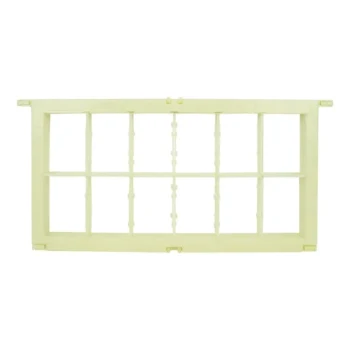
Bee frames are the internal architecture of a managed hive. These removable structures, typically made of wood or plastic, slide into hive boxes to provide a dedicated space for the colony to build wax comb for brood rearing and honey storage. These frames are manufactured in three specific vertical sizes—Deep, Medium, and Shallow—and are strictly sized to correspond with the depth of the hive box that houses them.
While the concept is simple, the mechanics are precise: the depth of your frame must essentially match the depth of your box, as these components are not interchangeable across different box sizes.
The Principles of Frame Sizing
The Critical Role of Depth
The most important dimension in beekeeping hardware is vertical depth. While the length and width of frames are generally standard to fit across the box, the height varies significantly. This ensures the frame utilizes the maximum amount of space inside the box without touching the bottom or crushing bees.
The Three Standard Sizes
Beekeeping equipment follows a strict standardization system.
- Deep Frames: These are the largest size, designed for the deep hive bodies where the brood nest is usually located.
- Medium Frames: Often used for honey supers (storage), these offer a balance between weight and capacity.
- Shallow Frames: The shortest option, typically used for honey production to keep boxes lighter for lifting.
The Rule of Non-Interchangeability
You cannot mix frame sizes within a specific box type effectively. A deep box requires deep frames to function correctly. If you place a shallow frame in a deep box, bees will build "burr comb" (unmanaged comb) in the empty space, causing a mess. Conversely, a deep frame will simply not physically fit inside a medium or shallow box.
Material Selection: The Wood Standard
Why Wood is Traditional
Wooden frames remain the industry standard for several practical reasons. They offer a natural feel that bees tend to accept more readily than synthetic alternatives. This acceptance can lead to faster comb building and colony establishment.
Economic Benefits
From an operational standpoint, wooden frames are highly cost-effective. Unlike single-piece plastic molded frames, wooden components can often be repaired. If a part of the frame breaks, you can replace just that piece rather than discarding the entire unit.
Understanding the Trade-offs
Maintenance Requirements
While wooden frames are popular, they are not maintenance-free. Wood is an organic material susceptible to environmental factors. In humid climates, these frames can absorb moisture, leading to warping or rotting over time.
Rigidity of System
The strict sizing system creates a logistical constraint. You must maintain an inventory of specific frames for specific boxes. If you run out of deep frames but have extra mediums, you cannot swap them in a pinch without creating significant management issues for the colony.
Making the Right Choice for Your Goal
To select the right equipment for your apiary, consider your environment and your management style.
- If your primary focus is rapid colony acceptance: Prioritize wooden frames, as their natural texture encourages bees to draw comb quickly.
- If your primary focus is long-term economy: Choose wooden frames for their repairability, allowing you to fix individual components rather than replacing entire units.
- If your primary focus is equipment longevity: Be cautious using wooden frames in high-humidity areas, as they will require more vigilant maintenance to prevent rot.
Standardize your gear early to ensure every frame fits the box it is intended for.
Summary Table:
| Frame Type | Standard Use | Height (Approx.) | Best For |
|---|---|---|---|
| Deep Frame | Brood Nest | 9 1/8 inches | Colony growth & wintering |
| Medium Frame | Honey Supers/Brood | 6 1/4 inches | Balanced weight & capacity |
| Shallow Frame | Honey Supers | 5 3/8 inches | Easy lifting & honey production |
| Wood Material | Professional Standard | N/A | Rapid bee acceptance & repairability |
Scale Your Apiary with HONESTBEE Professional Equipment
Optimizing your honey production starts with the right infrastructure. HONESTBEE specializes in serving commercial apiaries and distributors with premium-grade beekeeping tools and machinery. Whether you need high-durability wooden frames, hive-making equipment, or automated honey-filling machines, our comprehensive wholesale portfolio is designed to enhance your operational efficiency.
Why partner with HONESTBEE?
- Full Spectrum Supply: From essential consumables to specialized hardware.
- Industry Expertise: Quality-tested gear tailored for large-scale production.
- Wholesale Value: Competitive pricing on cultural merchandise and professional tools.
Ready to upgrade your beekeeping inventory? Contact HONESTBEE today to discuss our wholesale offerings and discover how we can support your business growth.
Related Products
- Assembled Wooden Bee Frames with Plastic Foundation for Durability and Convenience by HONESTBEE
- Assembled Wooden Bee Frames with Beeswax Foundation Ready to Use by HONESTBEE
- Plastic Bee Frame Beekeeping Hive Frames for Wholesale
- Wooden Bee Hive Frames for Beekeeping and Wholesale
- HONESTBEE Wired and Assembled Wooden Bee Frames Foundation for a Thriving Hive
People Also Ask
- When should frames with new foundation be given to colonies? Master Timing for a Thriving Hive
- Do you have to wire bee frames? Essential Guide to Frame Strength & Honey Harvesting
- Can beekeepers switch between wooden and plastic frames? Optimize Your Hive's Performance
- How do you re-wax bee frames? A Simple Guide to Faster Comb Building
- What types of bee frames can be cleaned and returned to service? A Guide to Safe Apiary Refurbishment