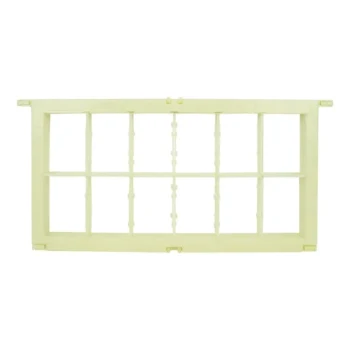
Bee frames must be destroyed immediately if there is any suspicion that they have been exposed to American Foulbrood (AFB). Unlike other hive issues where equipment can be scraped, cleaned, or repurposed, frames contaminated by this specific disease cannot be rehabilitated. They must be burned to ensure the safety of your remaining colonies.
American Foulbrood spores are exceptionally resilient and highly contagious, rendering standard cleaning methods ineffective. If a colony has died from AFB, or if frames have potentially been exposed to it, total destruction by fire is the only way to permanently eliminate the risk of reinfection.
The Protocol for American Foulbrood
Suspected Exposure
The decision to destroy frames should not rely solely on a confirmed diagnosis after a colony has died. If there is any question or doubt regarding whether the frames were exposed to American Foulbrood, they must be condemned.
The Necessity of Burning
The only approved method for handling these frames is burning. You must destroy the frames "without hesitation" to effectively neutralize the biological threat.
Why Rehabilitation is Not an Option
Extreme Spore Resilience
AFB is caused by a spore-forming bacterium that is incredibly durable. These spores can survive harsh conditions that would kill other pathogens, making traditional "rehabbing" techniques useless.
High Contagion Risk
The disease is highly contagious. Attempting to clean and reuse a frame transfers the active spores directly into a healthy colony, likely leading to the death of that hive as well.
Common Pitfalls to Avoid
The Temptation to "Save" Gear
It is common for beekeepers to want to salvage expensive equipment or drawn comb. However, regarding AFB, the financial loss of a few frames is negligible compared to the potential loss of your entire apiary.
Delayed Action
Hesitation is a critical error. The primary reference emphasizes that destruction must happen immediately upon suspicion to prevent the accidental transfer of spores to other equipment or hives.
Making the Right Choice for Your Apiary
When evaluating the condition of your hive equipment, use the following guidelines to protect your bees:
- If your primary focus is disease containment: Prioritize the immediate burning of any frame associated with a colony that died from or was exposed to American Foulbrood.
- If your primary focus is equipment management: Do not attempt to rehab, scrape, or sterilize frames if AFB is even a remote possibility; the risk of re-contamination is absolute.
A strict policy of destruction for AFB-exposed gear is the single most effective barrier between a contained incident and a devastating outbreak.
Summary Table:
| Factor | Action Required | Why Rehabilitation Fails |
|---|---|---|
| AFB Suspicion | Immediate Destruction (Burning) | Spores are highly resilient to cleaning |
| Equipment Type | Frames & Drawn Comb | Porous surfaces harbor dormant bacteria |
| Risk Level | High Contagion | Reusing gear can collapse an entire apiary |
| Timing | Instant | Delay leads to accidental cross-contamination |
Safeguard Your Colonies with Professional-Grade Solutions
Managing disease outbreaks like American Foulbrood is the hardest part of beekeeping, but rebuilding shouldn't be. HONESTBEE is dedicated to supporting commercial apiaries and distributors with high-quality, durable equipment to replace lost gear and scale your operations.
We provide a comprehensive wholesale range, including:
- Premium Bee Frames & Specialized Hardware
- Advanced Hive-Making & Honey-Filling Machinery
- Essential Industry Consumables & Cultural Merchandise
Don't let disease setbacks halt your production. Partner with a supplier that understands the scale of your business. Contact HONESTBEE today for bulk pricing and expert equipment support!
Related Products
- Assembled Wooden Bee Frames with Plastic Foundation for Durability and Convenience by HONESTBEE
- Assembled Wooden Bee Frames with Beeswax Foundation Ready to Use by HONESTBEE
- Plastic Bee Frame Beekeeping Hive Frames for Wholesale
- Wooden Bee Hive Frames for Beekeeping and Wholesale
- HONESTBEE Wired and Assembled Wooden Bee Frames Foundation for a Thriving Hive
People Also Ask
- What are the technical advantages of using bee frames with plastic foundation? Boost Hive Efficiency and Durability
- When should frames with new foundation be given to colonies? Master Timing for a Thriving Hive
- Do you have to wire bee frames? Essential Guide to Frame Strength & Honey Harvesting
- What are bee frames and how are they sized? A Professional Guide to Standardization & Material Choice
- How do you re-wax bee frames? A Simple Guide to Faster Comb Building