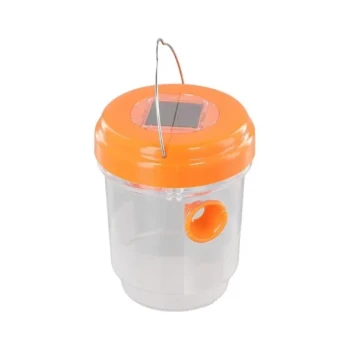
Trapping lights function as a specialized physical control measure designed specifically for processing areas and storage facilities. By utilizing specific spectral wavelengths, these devices exploit the biological attraction of Small Hive Beetles (Aethina tumida) to light when they are outside the colony structure. This method significantly increases capture efficiency in open environments compared to non-illuminated traps, offering a chemical-free sanitation solution.
Core Takeaway: While Small Hive Beetles seek darkness inside a beehive to hide from bees, they are strongly attracted to specific light spectrums when flying in open spaces. Therefore, trapping lights are the definitive tool for reducing pest density in honey extraction rooms and storage facilities, rather than inside the active hive itself.
The Mechanism of Action
Exploiting Spectral Attraction
Trapping lights do not rely on food scents or pheromones alone. Instead, they emit specific spectral wavelengths that trigger a strong navigation response in the pests. This draws the beetles away from equipment or honey stacks and toward the capture device.
Targeting Multiple Life Stages
This technology is effective against both adult beetles and larvae. By intercepting these pests in processing areas, you prevent them from reproducing in stored combs or re-infesting hives during equipment rotation.
High-Efficiency Capture
In open facility environments, passive traps can be easily bypassed by mobile pests. Light traps actively lure the pest across a distance. This results in significantly higher capture rates than non-illuminated passive traps when used in a warehouse or extraction room setting.
Contextual Application: Facility vs. Hive
The Role in Processing Areas
The primary domain for trapping lights is the honey extraction room or storage facility. These are critical zones where chemical pesticides are strictly prohibited to avoid product contamination. Light traps act as a biotechnological barrier, maintaining hygiene without contacting the honey.
Understanding In-Hive Behavior
It is vital to distinguish facility control from colony control. Inside the hive, Small Hive Beetles are photophobic (they avoid light). Supplementary data indicates that effective in-hive traps rely on darkness and crevices to mimic safe hiding spots, often using black casings to shield beetles from light.
The Behavioral Paradox
Beetles display different behaviors depending on their environment. They seek darkness to hide from bees inside the colony but are attracted to light when navigating open spaces. Understanding this distinction is the key to successful physical control.
Understanding the Trade-offs
Location Limitations
Trapping lights are generally ineffective or detrimental inside a beehive. Introducing a light source into the colony disturbs the bees and contradicts the beetle's instinct to seek dark refuge within the comb structure, rendering the trap useless in that context.
Lack of Colony Protection
While light traps protect your facility and harvested crop, they do not reduce the infestation pressure on the living bee colony. They are a post-harvest or storage defense, not a cure for an active hive infestation.
Operational Requirements
Unlike static oil traps or cleaning pads, light traps require a power source. This limits their placement to electrified buildings, making them unsuitable for remote apiaries or field use.
Making the Right Choice for Your Goal
To manage Small Hive Beetles effectively, you must match the physical control method to the specific environment.
- If your primary focus is protecting the Honey House (Extraction/Storage): Deploy trapping lights with specific wavelengths to lure flying beetles and larvae away from stored supers and processing equipment.
- If your primary focus is protecting the Active Colony: Utilize in-hive mechanical traps (such as oil traps, bottom board traps, or non-woven pads) that provide dark, crevice-like shelters to exploit the beetle's photophobic nature.
Success in beetle management relies on using light to clean your workspace and darkness to clean your hives.
Summary Table:
| Feature | Trapping Lights (Facility) | In-Hive Mechanical Traps |
|---|---|---|
| Primary Environment | Honey extraction rooms & warehouses | Active bee colonies & hives |
| Target Behavior | Attraction to specific light spectrums | Preference for dark, tight crevices |
| Mechanism | Active luring using light wavelengths | Passive capture in oil or fibers |
| Power Source | Requires electricity | Non-electric / Static |
| Core Benefit | Chemical-free sanitation for equipment | Direct protection of the bee brood |
Secure Your Honey Harvest with HONESTBEE
Don't let Small Hive Beetles compromise your processing facility. HONESTBEE provides professional-grade solutions tailored for commercial apiaries and distributors. From advanced trapping technology and specialized beekeeping tools to honey-filling machinery and essential consumables, we supply everything you need to scale your operations safely and efficiently.
Ready to upgrade your apiary’s defense? Contact us today to explore our wholesale equipment catalog and see how our expertise can drive your business growth.
References
- Ximena Araneda, Ximena Freire. SMALL HIVE BEETLE (Aethina tumida Murray), A POTENTIAL THREAT TO BEEKEEPING IN CHILE. DOI: 10.29393/chjaas37-1shxa30001
This article is also based on technical information from HonestBee Knowledge Base .
Related Products
- Removable Washable Hive Beetle Trap Attractants for Small Hive Beetles
- Reusable Aluminium Beetle Trap for Small Hive Beetles Silver Bullet
- Reusable Clear Small Hive Beetle Traps for Beehives Beetle Trapping Tools
- Black Plastic Beetle Barn Hive Beetle Trap for Beehives
- Plastic Beetle Blaster Trap Beekeeping Tools and Supplies
People Also Ask
- How should powdered substances be used in beetle traps for hive beetle control? Expert Guide for Maximum Colony Protection
- What are the three main types of hive beetle traps? Expert Solutions for Protecting Your Bee Colonies
- What are the types of hive beetle traps available? Master Your Beetle Control Strategy
- What are the main types of hive beetle traps available? A Beekeeper's Guide to Effective Control
- What are the available chemical-free options for trapping hive beetles? Safe and Effective Pest Management Solutions