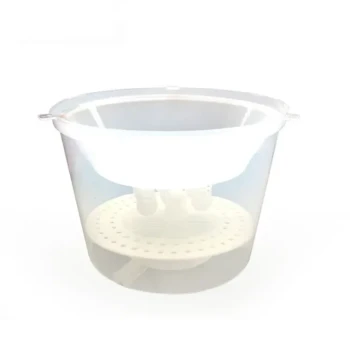
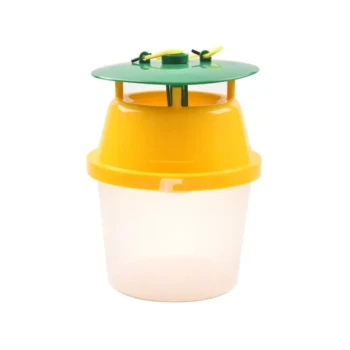
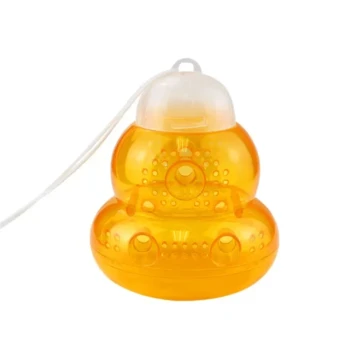
To significantly improve small hive beetle trap effectiveness during installation, you must aggressively prepare the contact surface. Before placing the trap, thoroughly scrape away all burr comb and propolis from the top bars to ensure the device sits perfectly flush against the frame. This critical step eliminates the small gaps where beetles typically hide to avoid entering the trap.
The success of a hive beetle trap relies less on the brand and more on the elimination of "safe zones." By scraping top bars clean to ensure a flush seal and actively crushing beetles found hiding under trap rims, you force the pests into the killing agent rather than allowing them to shelter beneath the trap itself.
Optimizing the Physical Installation
Preparing the Top Bars
The most common point of failure is an uneven surface. Before installing the trap, use your hive tool to scrape the top bars of the frames completely clean.
Ensuring a Flush Fit
Remove all propolis and wax burr comb where the trap will rest. The goal is to make the trap sit flush against the wood, leaving zero clearance between the trap bottom and the frame.
Eliminating Safe Harbors
Beetles are thigmotactic, meaning they seek tight spaces for shelter. If gaps exist under the trap, beetles will congregate there rather than entering the trap compartment.
Managing Trap Flaps
During inspections, you may notice beetles hiding underneath the flaps or rims of the trap. Use your hive tool to press down firmly on these flaps to crush any hiding pests immediately.
Selecting the Right Killing Agent
Using Liquid Oil
A highly effective method is filling the trap compartment halfway with liquid oil, such as cooking oil or mineral oil. This drowns the beetles effectively and is generally safe for the hive.
Using Diatomaceous Earth
Food-grade diatomaceous earth is a viable alternative to oil. It works by cutting the beetles' exoskeletons, causing dehydration and death, though it does not physically drown them.
Proper Filling Levels
When using oil, fill the compartment only halfway. Overfilling can lead to spills during hive manipulation, which creates a mess and can irritate the bees.
Strategic Timing and Placement
Best Time for Installation
The most effective window for using these traps is during spring and early summer. Installing them early helps check the beetle population before it explodes and causes irreparable damage.
Optimal Placement
Place traps where beetle traffic is highest. This is typically between frames or near the hive entrance, where beetles are most likely to try to gain access.
Common Pitfalls to Avoid
Avoiding Toxic Substances
While boric acid is a known pest control agent, do not use it inside the hive, especially if honey supers are present. It poses a contamination risk to your honey and bees.
Relying Solely on Traps
Traps are tools, not cure-alls. They work best when combined with strong colony management; a weak colony cannot defend itself regardless of how many traps are installed.
Neglecting Maintenance
Traps must be monitored regularly. If they become clogged with dead beetles or propolis, or if the bait dries out, they lose all utility and must be cleaned or refilled.
Making the Right Choice for Your Goal
To maximize the impact of your small hive beetle management strategy:
- If your primary focus is immediate efficacy: Scrape the top bars meticulously to ensure the trap sits flush, forcing beetles into the oil rather than under the trap.
- If your primary focus is honey safety: Stick to food-grade mineral oil or vegetable oil and strictly avoid chemical agents like boric acid.
- If your primary focus is long-term prevention: Install traps in spring to suppress the population curve before the peak summer heat.
A flush installation combined with early-season timing transforms a passive trap into an active defense system.
Summary Table:
| Optimization Factor | Action Required | Key Benefit |
|---|---|---|
| Surface Prep | Scrape away burr comb and propolis | Eliminates hiding spots under the trap |
| Trap Fit | Ensure flush seal against top bars | Forces beetles into the killing agent |
| Killing Agent | Fill halfway with food-grade oil | Safely drowns beetles without hive contamination |
| Installation Timing | Deploy in Spring and early Summer | Suppresses population before peak infestation |
| Maintenance | Regular cleaning and refilling | Prevents traps from becoming ineffective clogs |
Maximize Your Honey Yield with Professional-Grade Solutions
As a commercial apiary or distributor, maintaining healthy hives is the foundation of your success. HONESTBEE specializes in empowering beekeeping businesses with the highest quality tools and machinery on the market. From specialized hive-making and honey-filling machines to a comprehensive selection of wholesale beekeeping consumables, we provide everything you need to scale your operations.
Why Partner with HONESTBEE?
- Comprehensive Inventory: Access the full spectrum of hardware and honey-themed cultural merchandise.
- Commercial Scale: Tailored wholesale offerings for large-scale apiaries and equipment distributors.
- Industry Expertise: Enhance your productivity with tools designed for professional efficiency.
Don't let pests or outdated equipment limit your growth. Contact HONESTBEE today to discover how our premium hardware and consumables can transform your beekeeping business.
Related Products
- Reusable Aluminium Beetle Trap for Small Hive Beetles Silver Bullet
- Reusable Clear Small Hive Beetle Traps for Beehives Beetle Trapping Tools
- Removable Washable Hive Beetle Trap Attractants for Small Hive Beetles
- Black Plastic Beetle Barn Hive Beetle Trap for Beehives
- Plastic Beetle Blaster Trap Beekeeping Tools and Supplies
People Also Ask
- How should powdered substances be used in beetle traps for hive beetle control? Expert Guide for Maximum Colony Protection
- Why are beetle traps less effective during winter? Seasonal Shifts in Pest Control Explained
- When is the best time to use small hive beetle traps in cold climates? Protect Your Honeybee Winter Stores Now
- When and how should disposable traps for small hive beetles be removed? Master Hive Hygiene and Efficiency
- How do small hive beetle traps contribute to colony management? Enhance Diagnostic Accuracy and Protect Hive Health