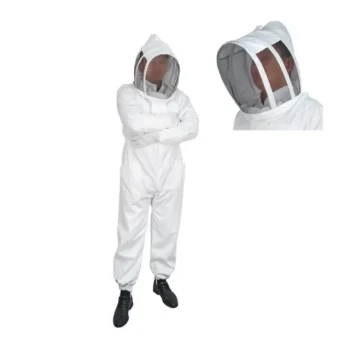
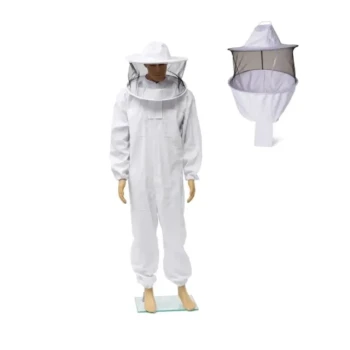
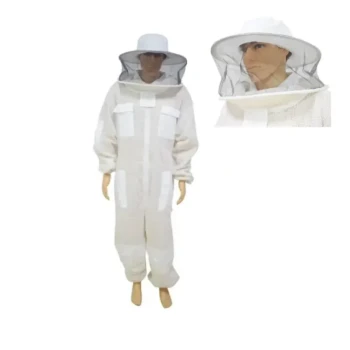
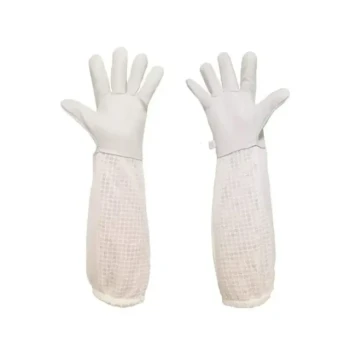
The significance of color in beekeeping suits is largely rooted in tradition rather than strict functional necessity. While conventional wisdom suggests that white fabric discourages bee aggression by distinguishing the wearer from natural predators, practical experience indicates that suit color has a negligible impact on actual bee behavior. Consequently, the choice between white and colored suits is primarily a matter of maintenance and personal preference.
While tradition favors white to avoid mimicking dark-furred predators, color makes little difference in modern beekeeping safety. The real decision lies in practical maintenance: white suits show every stain, whereas darker options conceal dirt and reduce the frequency of washing.
The Theory Behind the Tradition
The Predator Association
Historically, beekeepers have worn white based on the belief that honeybees harbor an innate dislike for dark colors. This theory posits that bees associate dark shapes with natural predators, such as bears, which have dark fur.
The Defensive Response
The logic follows that wearing dark clothing mimics these threats, potentially triggering a defensive or aggressive response from the hive. White, being the opposite of a predator's dark coat, was adopted as the standard to minimize this risk.
Practical Reality vs. Conventional Wisdom
Behavior in Practice
Despite the long-standing preference for white, current observations suggest that the color of the suit makes little difference in bee behavior. Bees are generally not more aggressive toward beekeepers simply because they are wearing darker fabrics.
The Maintenance Factor
The most tangible impact of suit color is maintenance. Beekeeping is messy work; suits are exposed to dirt, propolis, grass stains, and honey.
Visibility of Grime
White suits show dirt immediately and vividly. To maintain a clean, professional appearance, a white suit requires frequent washing, which can accelerate wear and tear on the fabric over time.
Understanding the Trade-offs
Aesthetic Durability
Darker colored suits offer a distinct practical advantage regarding aesthetics. They do not show dirt as readily as their white counterparts.
Reduced Maintenance Cycles
Because darker fabrics conceal stains, they maintain a presentable appearance for longer periods between washes. This can be a significant convenience for hobbyists and professionals who wish to minimize laundry frequency without looking unkempt.
Priorities Beyond Color
The Importance of Mobility
While color is a common point of debate, the physical design of the suit is far more critical to safety and success. Professional beekeeping requires significant physical flexibility.
Functionality Over Fashion
A suit must offer a fit that allows for the freedom of movement necessary to inspect hives and lift heavy equipment. Regardless of color, a suit that binds or restricts the operator's actions is a hindrance to proper hive management.
Making the Right Choice for Your Goal
When selecting a beekeeping suit, you should weigh tradition against practicality based on your specific needs.
- If your primary focus is tradition and maximum visibility: Choose a white suit, understanding that it will require frequent cleaning to remain pristine.
- If your primary focus is low maintenance: Choose a darker colored suit, as it will hide stains and dirt effectively while having little to no impact on bee aggression.
- If your primary focus is functionality: Prioritize fit and mobility above all else, ensuring the fabric allows you to lift and move freely.
Ultimately, the best suit is one that fits well and allows you to work comfortably, regardless of the shade of the fabric.
Summary Table:
| Feature | White Suits | Colored Suits | Priority Level |
|---|---|---|---|
| Tradition | Standard; avoids predator look | Modern alternative | Low |
| Bee Aggression | Negligible impact | Negligible impact | Low |
| Maintenance | Shows dirt/propolis easily | Conceals stains & grime | Medium |
| Washing Frequency | High | Low | Medium |
| Mobility & Fit | Essential for safety | Essential for safety | High |
Elevate Your Beekeeping Operation with HONESTBEE
Choosing the right gear involves balancing tradition with modern efficiency. At HONESTBEE, we specialize in supporting commercial apiaries and distributors by providing a full spectrum of high-quality beekeeping tools, machinery, and essential consumables. Whether you need durable suits that withstand heavy use or advanced honey-filling machines to scale your production, we offer comprehensive wholesale solutions tailored to your professional needs.
Ready to upgrade your inventory or apiary equipment? Contact HONESTBEE Today to discover how our expert hardware and industry supplies can enhance your business's productivity and value.
Related Products
- Premium Cotton Beekeeper Suit with Reinforced Fencing Veil
- Professional Cotton Beekeeper Suit with Round Veil Design for Commercial Apiaries
- Professional Beekeeper Suit with Square Folding Cotton Veil
- Vented Beekeeping Jacket with Hood and Veil for Beekeepers
- Professional Beekeeping Suit for Kids and Girls Childrens Bee Keeper Suit
People Also Ask
- What material and design specifications are recommended for a high-quality beekeeper suit? Top Gear Selection Guide
- How to Pre-treat Propolis Stains on Beekeeping Suits? Master Advanced Fabric Care and Soil Removal
- What features should be considered for sting protection in a beekeeping suit? Ensure Total Safety and Comfort
- What are the differences between full suits and jackets with veils in beekeeping? Choose Your Best Protection
- What features should be looked for in a beekeeping suit for maximum comfort? Prioritize Ventilation and Fit