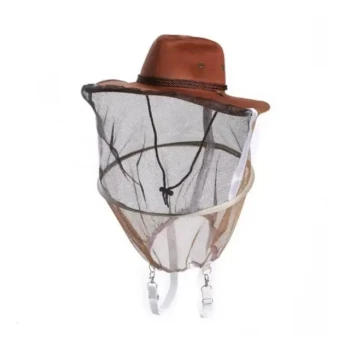
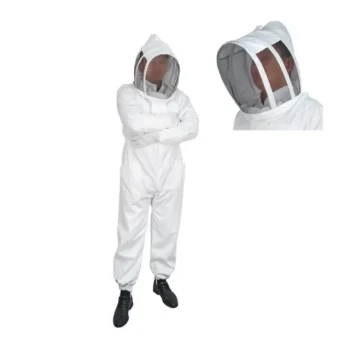
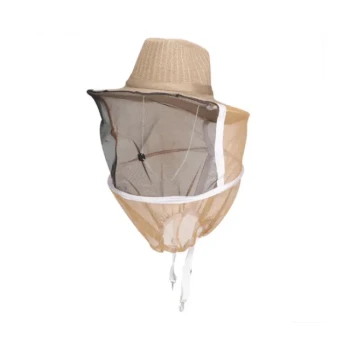
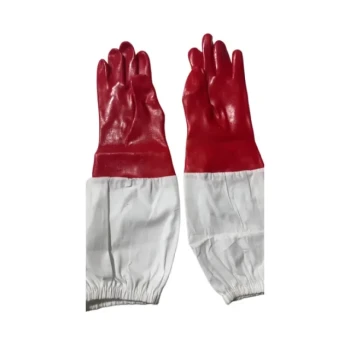
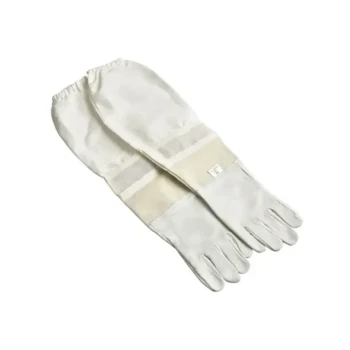
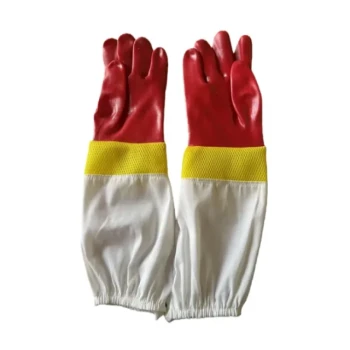
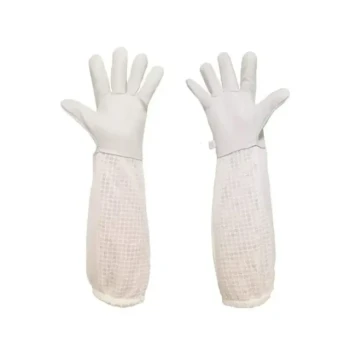
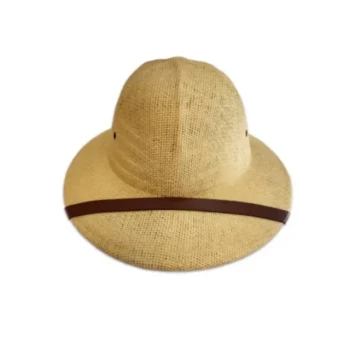
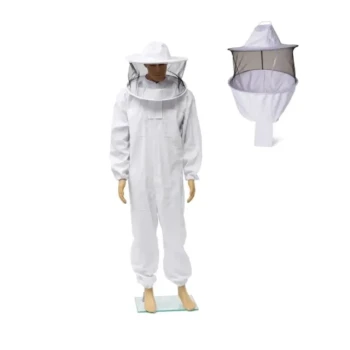
The significance of industrial-grade protective gear lies in its ability to transform a hazardous environment into a controlled clinical workspace. By comprised of specialized veils, suits, and gloves, this equipment eliminates the immediate threat of bee stings for veterinarians and inspectors. This physical security is not merely for comfort; it is the operational baseline required to perform the invasive, detailed examinations necessary to detect American Foulbrood (AFB) before it becomes an epidemic.
Core Takeaway While protective gear primarily ensures human safety, its true value in AFB monitoring is operational confidence. It removes the distraction of defensive bee behavior, allowing inspectors to perform the slow, meticulous visual assessments required to identify subtle early-stage symptoms and prevent widespread contagion.
The Critical Link Between Protection and Diagnosis
Eliminating Operational Distractions
The primary barrier to effective disease monitoring is the defensive behavior of the colony. Without industrial-grade protection, the natural human reaction to avoid stings leads to rushed inspections or, worse, the complete neglect of aggressive colonies.
Enabling Deep-Hive Access
American Foulbrood affects the brood, which is located deep within the hive structure. Protective suits and gloves allow personnel to dismantle the hive and manipulate frames clinically without fear. This access is a prerequisite for examining the larvae where the pathogen is active.
Facilitating Visual Precision
Detecting AFB requires spotting minute details, such as sunken or perforated cell cappings and changes in larval color. These symptoms are easily missed during a cursory glance. Full body protection grants the inspector the time and calm required to identify these visual cues, which serves as the primary step before laboratory confirmation.
Understanding the Trade-offs and Risks
The Risk of Cross-Contamination
While gear protects the inspector, it can become a vector for disease transmission. The pathogen responsible for AFB, Paenibacillus larvae, creates highly resilient spores that can survive on surfaces for long periods. Protective gloves and suit fabrics can carry these spores from an infected hive to a healthy one if not properly managed between inspections.
False Sense of Security regarding Biosecurity
Wearing a suit protects the human, but it does not kill the pathogen. A common pitfall is assuming that personal protection equates to biosecurity. Industrial gear must be viewed strictly as a shield for the operator, not a barrier that prevents the spread of spores between colonies.
Ensuring Effective Disease Control
If your primary focus is Diagnostic Accuracy: Prioritize heavy-duty gear that allows you to remain calm and stationary near the hive for extended periods to spot subtle irregular brood patterns.
If your primary focus is Biosecurity: Implement strict sanitation protocols for your protective gear, particularly gloves, changing or disinfecting them between hives to break the cross-contamination path.
If your primary focus is Personnel Safety: Ensure strict checks of zippers and folds after handling colonies to prevent stray bees from remaining on the gear, reducing sting risks outside the apiary.
The most effective AFB monitoring strategy relies on the inspector's ability to focus entirely on the larvae, a state of mind that is only possible when physical safety is guaranteed.
Summary Table:
| Feature | Role in AFB Monitoring | Impact on Disease Control |
|---|---|---|
| Full-Body Suit | Eliminates distraction from stings | Allows for slow, meticulous visual inspection of larvae |
| Specialized Veils | Protects face while maintaining visibility | Essential for spotting sunken or perforated cell cappings |
| Heavy-Duty Gloves | Enables clinical manipulation of frames | Provides the confidence needed for deep-hive brood analysis |
| Sanitation Protocols | Prevents spore transmission | Mitigates the risk of gear acting as a vector for pathogens |
Secure Your Apiary’s Future with HONESTBEE
Protecting your colony from American Foulbrood requires both professional vigilance and the right equipment. HONESTBEE empowers commercial apiaries and distributors worldwide with a comprehensive range of industrial-grade beekeeping tools, specialized protective gear, and honey-processing machinery. From durable hardware to essential consumables, we provide the wholesale solutions you need to maintain peak biosecurity and operational efficiency.
Ready to scale your beekeeping operations with professional-grade equipment?
Contact HONESTBEE Today to explore our wholesale portfolio and see how our expertise can support your business growth.
References
- Vladimir Polaček, Milica Živkov Baloš. MAIN RISK FACTORS OF AMERICAN FOULBROOD SPREADING IN HONEY BEES IN SERBIA. DOI: 10.46784/eavm.v14i2.287
This article is also based on technical information from HonestBee Knowledge Base .
Related Products
- Premium Cowboy Beekeeper Hat with Visibility Veil Outdoor Professional Beekeeping Protective Gear
- Premium Cotton Beekeeper Suit with Reinforced Fencing Veil
- Beekeeper Cowboy Hat and Veil for Beekeeping
- White Cotton Beekeeping Jacket and Veil for Bee Keepers
- Beekeeping Jacket with Hood and Veil for Beekeepers
People Also Ask
- What design features contribute to the stability and fit of the beekeeper hat? Key Features for Maximum Hive Safety
- How is the beekeeper hat designed for comfort and practicality? Explore Key Features for Enhanced Apiary Safety
- What is the general protective gear recommendation for new beekeepers? Your Essential Beginner's Safety Guide
- How does beekeeping protective gear facilitate the queen bee selection process? Enhancing Precision in Queen Breeding
- What should beekeepers consider when choosing protective gear? A Guide for Maximum Safety & Comfort