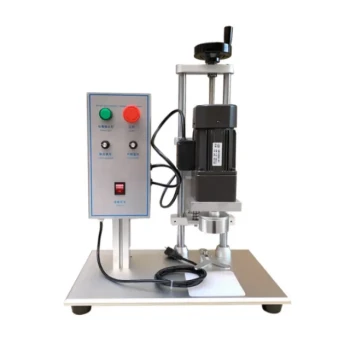
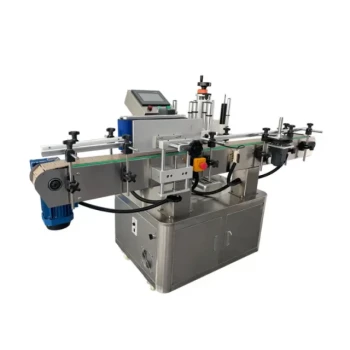
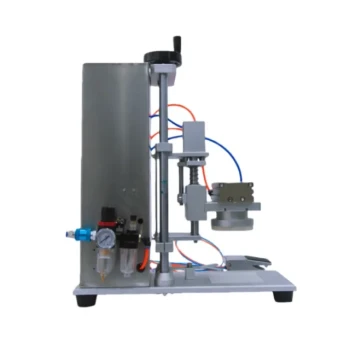
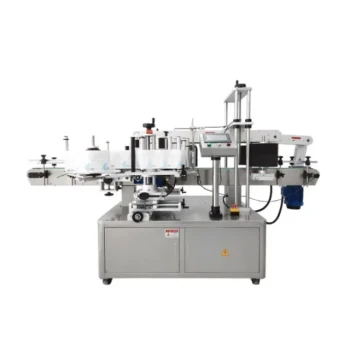
Industrial vacuum packaging machines serve as the primary defense against chemical and biological degradation. By systematically removing air from the packaging prior to sealing, these machines create a low-oxygen environment that directly prevents the oxidative rancidity of fats and maintains the potency of antioxidants. This mechanical isolation shields the product from external moisture and contaminants, ensuring the quality of bee pollen remains stable for a shelf life of up to two years.
The Core Insight Bee pollen is biologically active and highly susceptible to spoilage through oxidation and moisture absorption. Industrial vacuum packaging addresses these vulnerabilities at the source, effectively extending shelf life and preserving nutritional integrity without relying on chemical preservatives.
The Chemistry of Preservation
Preventing Oxidative Rancidity
Bee pollen contains lipids and specific fatty acids, such as docosadienoic acid, which are highly sensitive to oxygen. When exposed to air, these components undergo oxidative rancidity, leading to spoilage.
Vacuum packaging machines remove the catalyst for this reaction—oxygen—from the environment. This preservation of lipid stability is essential for maintaining the product's nutritional profile over time.
Maintaining Antioxidant Potency
Beyond fats, bee pollen is valued for its bioactive substances and antioxidants. These compounds can degrade rapidly when exposed to atmospheric conditions.
By creating an oxygen-depleted microenvironment, vacuum packaging slows the chemical reaction rates that destroy these nutrients. This ensures that the bioactive characteristics of the pollen remain intact from processing through to consumption.
Environmental Isolation and Hygiene
Combating Hygroscopy and Mold
Bee pollen is hygroscopic, meaning it naturally absorbs moisture from the air. If left unprotected, this absorbed moisture quickly leads to mold growth and spoilage.
Vacuum machines, often utilizing composite materials like polyamide and polyethylene, create a physical barrier against humidity. This strictly dry micro-environment prevents nutrient degradation and ensures the product remains chemically stable.
Eliminating Biological Threats
The low-oxygen environment created by these machines does more than stop chemical reactions; it also inhibits biological contaminants.
By depleting oxygen—and in some cases, flushing the package with carbon dioxide (CO2)—the process effectively inhibits the hatching of pest eggs, such as those of the wax moth. This provides a non-chemical method for pest control during storage.
Enhancing Sanitation through Automation
Industrial-grade machines replace manual processes that are prone to inconsistency and contamination. Automated filling provides precise dosage control and high-sealing performance.
This automation solves hygiene issues associated with human handling. It ensures a consistent, hermetic seal that acts as a robust physical barrier against microbial intrusion.
Understanding the Trade-offs
The Necessity of Complementary Cooling
While vacuum packaging is powerful, it is rarely a standalone solution for indefinite preservation. To achieve the highest level of stability, it is often necessary to combine vacuum sealing with freezing temperatures (between -16°C and -20°C).
Relying solely on vacuum packing without temperature control may still allow for slow spoilage of certain highly volatile components. The vacuum seal protects against oxidation, but the low temperature is required to fully inhibit all biological activity.
Material Dependencies
The effectiveness of a vacuum packaging machine is strictly limited by the quality of the packaging material used.
Standard plastic bags are insufficient; the process requires high-barrier composite materials to maintain the vacuum state. Using inferior materials can lead to gradual air permeation, rendering the vacuum process useless over time.
Making the Right Choice for Your Goal
To maximize the value of industrial vacuum packaging, align your operational protocols with your specific preservation targets:
- If your primary focus is extending shelf life without chemicals: Utilize vacuum machines with a CO2 or nitrogen flush capability to actively inhibit pest activity and oxidation.
- If your primary focus is scientific analysis or long-term storage: Combine vacuum sealing with deep freezing (-20°C) to completely arrest chemical reaction rates and preserve the original biological profile.
- If your primary focus is commercial scalability: Prioritize automated filling and sealing equipment to ensure precise dosage, uniform packaging appearance, and strict hygiene standards.
By integrating these machines into your processing line, you transform a fragile, perishable raw material into a stable, market-ready product.
Summary Table:
| Preservation Factor | Impact of Vacuum Packaging | Biological/Chemical Benefit |
|---|---|---|
| Oxygen Levels | Systematic removal & low-oxygen seal | Prevents oxidative rancidity of lipids and fatty acids |
| Moisture Control | Barrier against hygroscopic absorption | Inhibits mold growth and maintains chemical stability |
| Pest Control | Oxygen depletion (optional CO2 flush) | Inhibits hatching of pest eggs like the wax moth |
| Nutrient Integrity | Shields bioactive compounds | Maintains antioxidant potency and nutritional profile |
| Hygiene | Automated hermetic sealing | Reduces human contact and microbial contamination |
Elevate Your Bee Product Quality with HONESTBEE
At HONESTBEE, we understand that maintaining the biological integrity of bee pollen is critical for commercial apiaries and global distributors. As your premier partner in the beekeeping industry, we provide more than just tools—we offer high-performance industrial vacuum packaging machines, honey-filling machinery, and specialized hardware designed to scale your operations.
Whether you are a commercial producer or a bulk distributor, our comprehensive wholesale portfolio covers everything from heavy-duty processing machinery to essential industry consumables and honey-themed cultural merchandise. Let us help you transform perishable raw materials into stable, market-ready products with our advanced technical solutions.
Ready to upgrade your processing line? Contact HONESTBEE today to discover how our specialized equipment can enhance your efficiency and product shelf life!
References
- П. Парванов, D. Dinkov. Proposals for desiccated bee pollen production and labeling.. DOI: 10.35841/nutrition-human-health.1.2.13-16
This article is also based on technical information from HonestBee Knowledge Base .
Related Products
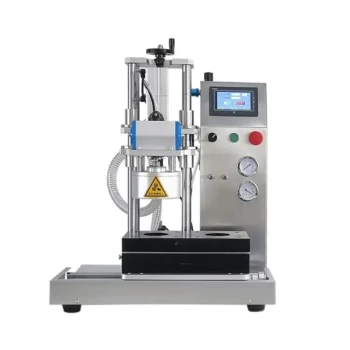
- Semi-Automatic Vacuum Capping Machine with Pneumatic Control for Glass Jars
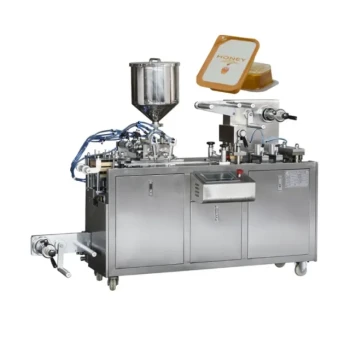
- Professional Durable Customizable Blister Packing Machine
- Precision Automated Packaging Turntable Honey Spoon Filling Sealing Packing Machine
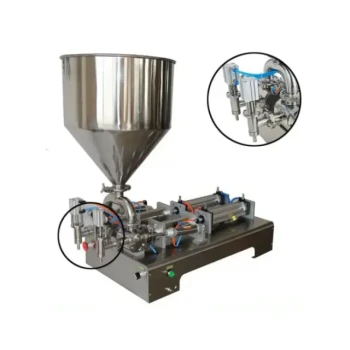
- Pneumatic Paste Filling Machine Bottling Packaging Machine Single Nozzle
- Pneumatic Double Nozzle Honey Filling Bottling Packaging Machine
People Also Ask
- What is the function of a capping machine in honey packaging? Secure Your Product Quality and Shelf Life
- Which machine is used for sealing of bottles? Choose the Right Capper for Your Production Line
- What are the different types of capping machines available? Choose the Right One for Your Production Scale
- What types of caps can capping machines handle? Find the Right Solution for Your Bottling Line
- How does a bottle capping machine work? Unlock Efficient, Consistent Sealing for Your Production Line