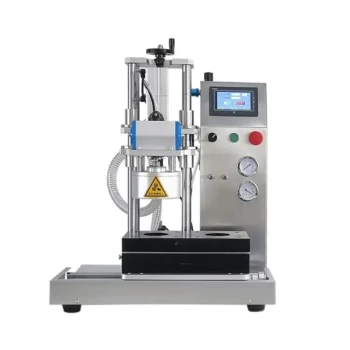
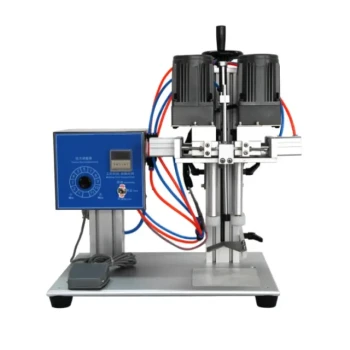
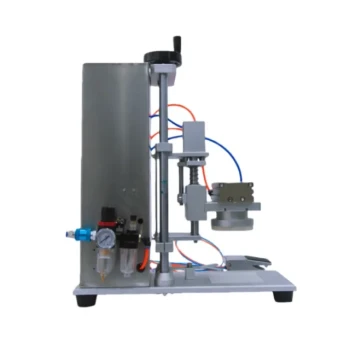
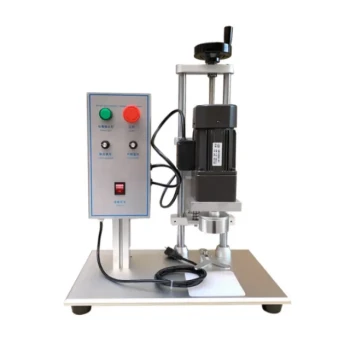
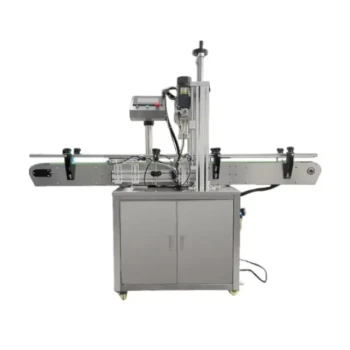
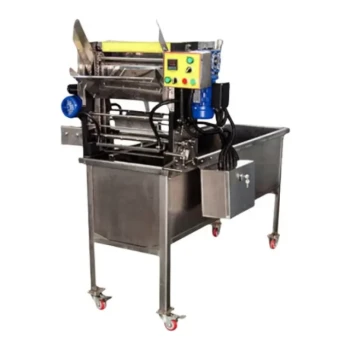
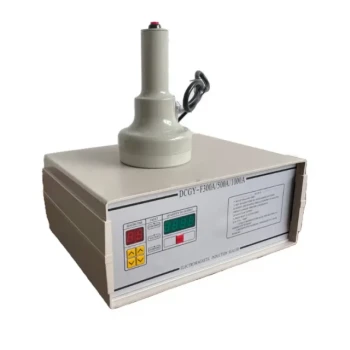
A capping machine is the critical safeguard in honey production. Its primary function is to mechanically place and securely tighten caps onto bottles or containers, creating a physical barrier that protects the honey from external contamination.
Core Takeaway While filling machines dispense the product, the capping machine ensures its longevity. It transforms an open container into a sealed, shelf-ready product, locking in freshness and preventing leakage or oxidation that could degrade the honey's quality.
The Role of Capping in Quality Preservation
The capping machine is not merely about closing a bottle; it is about preserving the biological integrity of the honey.
preventing External Contamination
Once honey leaves the filling nozzle, it is vulnerable. The capping machine immediately secures the container to block dust, debris, and microorganisms.
Preventing Oxidation and Leakage
Honey contains sensitive enzymes and aromatic compounds that can degrade when exposed to air. A proper cap seal creates an airtight environment, preventing oxidation and ensuring the product retains its natural flavor profile.
Ensuring Transport Security
Honey is viscous and heavy. The machine applies the precise torque required to ensure the cap does not loosen during shipping, preventing messy leaks and product loss.
Operational Versatility
Capping machines are designed to adapt to various production scales and packaging styles.
Levels of Automation
These machines range from manual models for small batches to semi-automatic and fully automatic systems. Fully automatic versions can integrate seamlessly with high-speed piston filling machines to maintain continuous production flow.
Handling Diverse Cap Types
Honey packaging varies widely for marketing reasons. Capping machines are engineered to handle multiple closure styles, including standard screw caps, cork caps, and lug caps.
Adaptability to Container Sizes
Modern demands often require different packaging sizes, such as 250ml jars versus standard 1L containers. Advanced capping systems can adjust to these different specifications, offering flexibility for producers targeting different market segments.
Understanding the Trade-offs
Choosing the right capping machinery involves balancing speed, flexibility, and cost.
Specificity vs. Flexibility
Some machines are specialized for a single cap type (e.g., screw caps) for maximum speed. If your product line uses both corks and screw caps, you may need a more complex machine or multiple separate units, increasing capital cost.
The Bottleneck Risk
Your production line is only as fast as its slowest component. If you invest in a high-speed industrial filling machine but pair it with a slow semi-automatic capper, you will create a bottleneck that negates the efficiency of the filler.
Maintenance Requirements
Automatic machines with moving conveyors and torque sensors require more maintenance than manual versions. You must account for the technical skill required to calibrate the machine so it tightens caps sufficiently without stripping the threads.
Making the Right Choice for Your Goal
To select the correct capping strategy, you must align the equipment with your production volume and packaging variety.
- If your primary focus is small-batch artisan production: Opt for a manual or semi-automatic machine, which offers lower upfront costs and allows for careful handling of unique packaging like corked bottles.
- If your primary focus is high-volume industrial efficiency: Invest in a fully automatic capping system that matches the speed of your filling equipment to prevent bottlenecks and ensure consistent torque application.
- If your primary focus is market diversity: Choose a machine with adjustable specifications capable of handling various bottle sizes (e.g., 250ml to 1L) and cap types to satisfy different consumer price points.
The right capping machine acts as the final quality checkpoint, ensuring the honey reaches the consumer exactly as nature intended.
Summary Table:
| Feature | Function & Benefit |
|---|---|
| Contamination Control | Blocks dust and microorganisms to maintain biological integrity. |
| Oxidation Prevention | Creates an airtight seal to lock in enzymes and natural flavors. |
| Leakage Security | Applies precise torque to ensure caps remain tight during shipping. |
| Automation Levels | Ranges from manual units to fully automatic high-speed systems. |
| Versatility | Adapts to various sizes (250ml to 1L) and styles like screw or cork caps. |
Elevate Your Honey Production with HONESTBEE
At HONESTBEE, we understand that a secure seal is the difference between premium quality and product loss. We specialize in empowering commercial apiaries and distributors with high-performance beekeeping machinery and tools.
Whether you need precision honey-filling machines, robust capping equipment, or a full range of industry consumables, our wholesale solutions are designed to eliminate bottlenecks and maximize your output. From specialized hardware to honey-themed merchandise, we provide the tools you need to scale your brand globally.
Ready to optimize your packaging line?
Contact HONESTBEE Today to discover how our equipment can protect your harvest and grow your business.
Related Products
- Semi-Automatic Vacuum Capping Machine with Pneumatic Control for Glass Jars
- Semi-Automatic Pneumatic Bottle Capping Machine by HONESTBEE
- HONESTBEE Professional Benchtop Pneumatic Bottle Capping Machine Capper
- Semi Automatic Electric Bottle Capping Machine
- Automatic Inline Spindle Bottle Capping Machine for Honey Production
People Also Ask
- Which machine is used for sealing of bottles? Choose the Right Capper for Your Production Line
- What are the different types of capping machines available? Choose the Right One for Your Production Scale
- What types of caps can capping machines handle? Find the Right Solution for Your Bottling Line
- How does a bottle capping machine work? Unlock Efficient, Consistent Sealing for Your Production Line
- Why are glass jars preferred as storage containers in honey quality evaluation studies? Ensuring Chemical Inertness