Vacuum sealing bags serve as a critical defense system for dried bee pollen by creating a physical barrier against oxygen and ambient humidity. This packaging method directly prevents the pollen from re-absorbing moisture and effectively safeguards sensitive nutrients—such as proteins, lipids, and vitamins—from degrading due to oxidation.
Dried bee pollen is highly sensitive to its environment; vacuum sealing effectively "locks in" the low water activity achieved during drying. By eliminating air, you create an environment where aerobic molds cannot survive, preserving the pollen's safety, aesthetic color, and natural flavor profile.
The Preservation Mechanics
Controlling Moisture Absorption
Dried bee pollen is highly hygroscopic, meaning it naturally attracts and holds water from the surrounding air.
Without proper protection, the pollen will rapidly re-absorb humidity, ruining the drying process. Vacuum sealing bags provide an impermeable barrier that maintains the pollen's low water activity state.
Inhibiting Microbial Growth
Spoilage microorganisms, particularly aerobic molds, require oxygen to grow and reproduce.
By physically removing the air from the package, vacuum sealing creates an anaerobic environment. This significantly inhibits the proliferation of toxin-producing molds that can render the pollen unsafe for consumption.
Shielding Nutritional Integrity
Bee pollen contains delicate bioactive compounds that are susceptible to oxidative degradation.
When exposed to air, nutrients like proteins, lipids (fatty acids), and vitamins begin to break down. Vacuum sealing halts this process, ensuring the pollen retains its health benefits and nutritional density over time.
Understanding the Limitations
The Issue of Light Exposure
While vacuum sealing is excellent for controlling air and moisture, standard clear plastic bags do not block light.
Bee pollen contains fatty acids and bioactive substances that are sensitive to light exposure. If stored in clear vacuum bags in a lit environment, the pollen may still suffer from photo-oxidation, leading to quality degradation despite the vacuum seal.
Material Considerations
To fully protect the pollen, the vacuum bag material matters.
Standard plastic handles moisture well, but for complete protection, opaque materials—such as aluminum foil laminates—are superior. These block light while simultaneously holding the vacuum seal.
Optimizing Your Storage Strategy
- If your primary focus is maximum shelf life: Combine vacuum sealing with opaque packaging (like aluminum foil bags) to protect against moisture, oxygen, and light simultaneously.
- If your primary focus is maintaining flavor and texture: Ensure the vacuum seal is airtight to prevent moisture re-absorption, which is the primary cause of flavor loss and spoilage.
Effective storage requires a holistic approach that manages oxygen, moisture, and light to keep bee pollen biologically active.
Summary Table:
| Feature | Advantage for Bee Pollen | Primary Benefit |
|---|---|---|
| Oxygen Removal | Prevents oxidative degradation of lipids & vitamins | Preserves nutritional density |
| Moisture Barrier | Stops hygroscopic re-absorption of humidity | Maintains low water activity |
| Anaerobic Environment | Inhibits the growth of aerobic molds & bacteria | Ensures product safety |
| Physical Seal | Creates an impermeable protective layer | Extends shelf life & flavor |
Elevate Your Bee Product Quality with HONESTBEE
Are you looking to scale your pollen processing or distribution? HONESTBEE provides professional-grade solutions tailored for commercial apiaries and distributors worldwide. From advanced honey-filling and packaging machinery to specialized beekeeping tools and consumables, we offer the full spectrum of equipment needed to protect your harvest.
Don't let poor storage compromise your high-quality bee pollen. Partner with HONESTBEE to access premium wholesale hardware and industry-leading expertise that ensures your products reach customers in peak condition.
Ready to upgrade your commercial beekeeping operation? Contact HONESTBEE Today to Discuss Your Wholesale Needs
References
- Tanja Petrović, Vesna Krnjaja. Natural mycobiota and aflatoxin B1 presence in bee pollen collected in Serbia. DOI: 10.2298/bah1404731p
This article is also based on technical information from HonestBee Knowledge Base .
Related Products
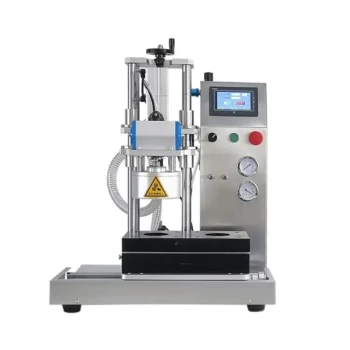
- Semi-Automatic Vacuum Capping Machine with Pneumatic Control for Glass Jars
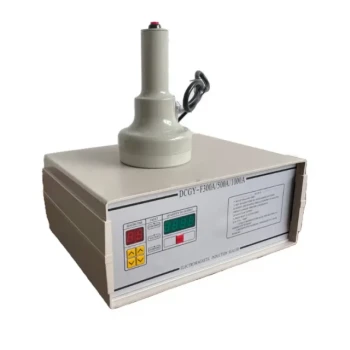
- Handheld Induction Sealing Machine for Tamper Evident Packaging
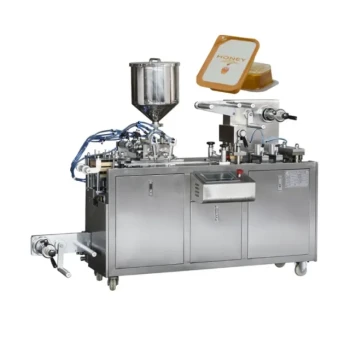
- Professional Durable Customizable Blister Packing Machine
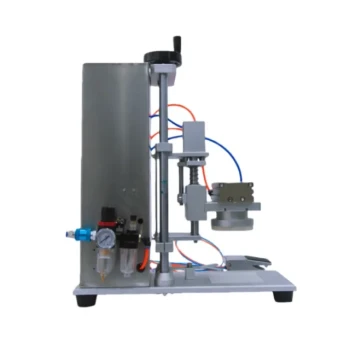
- HONESTBEE Professional Benchtop Pneumatic Bottle Capping Machine Capper
People Also Ask
- What is the function of a capping machine in honey packaging? Secure Your Product Quality and Shelf Life
- Which machine is used for sealing of bottles? Choose the Right Capper for Your Production Line
- What are the different types of capping machines available? Choose the Right One for Your Production Scale
- What types of caps can capping machines handle? Find the Right Solution for Your Bottling Line
- How does a bottle capping machine work? Unlock Efficient, Consistent Sealing for Your Production Line