The critical significance of beeswax casting molds lies in their ability to transform purified liquid beeswax into standardized, solid forms that are commercially viable. While the refining process removes impurities, the casting mold converts the resulting high-value liquid into a physical state optimized for storage, logistics, and trading as a raw material.
While filtration ensures the quality of the beeswax, the casting mold establishes its utility. By standardizing the physical form, molds bridge the gap between raw extraction and industrial application, turning a volatile liquid into a durable, tradable commodity.
The Role of Standardization in Commercial Viability
Streamlining Logistics and Storage
Liquid beeswax is difficult to store and expensive to transport. Casting molds create uniform blocks that are specifically designed for stacking and palletizing. This standardization maximizes warehouse efficiency and significantly reduces the complexity of shipping logistics.
Enhancing Tradeability
In the commodities market, consistency is currency. Standardized blocks allow beeswax to be easily weighed, valued, and traded. This physical uniformity assures buyers that they are purchasing a professional, industrial-grade product rather than raw, unprocessed scrap.
Connecting Purification to Application
Locking in Purity
The refining process utilizes high-density filtration and precise temperature control to remove burnt impurities and contaminants. Casting molds serve as the final step to capture this high-purity state. By solidifying the wax immediately after filtration, the molds prevent re-contamination and preserve the quality required for high-grade applications.
Facilitating Industrial Integration
End-users in the cosmetics, pharmaceutical, and craft industries rely on consistent raw materials. Blocks produced by casting molds provide a predictable form factor. This allows manufacturers to easily calculate dosages and melt down the exact amount needed for their specific formulations without waste.
Operational Considerations and Trade-offs
Managing Production Latency
The casting process introduces a necessary pause in production. Large blocks require significant time to cool and solidify completely to avoid internal cracking or shrinking. This cooling period can create a bottleneck if the workflow is not properly balanced with the melting and filtration speed.
Mold Maintenance and Aesthetics
The physical appearance of the wax block directly reflects the condition of the mold. Molds must be meticulously cleaned to prevent surface contamination or debris adhesion. A damaged or dirty mold can mar the surface of an otherwise pure product, potentially lowering its perceived commercial grade.
Making the Right Choice for Your Goal
To maximize the return on your beeswax refining operations, select a mold strategy that aligns with your target market.
- If your primary focus is bulk industrial distribution: Prioritize molds that produce large, rectangular blocks to maximize stacking density and reduce shipping costs per unit.
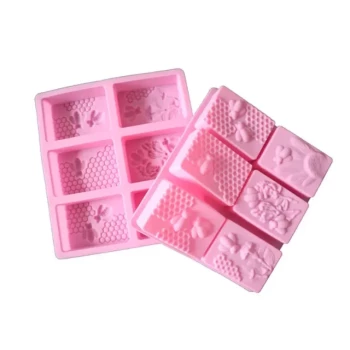
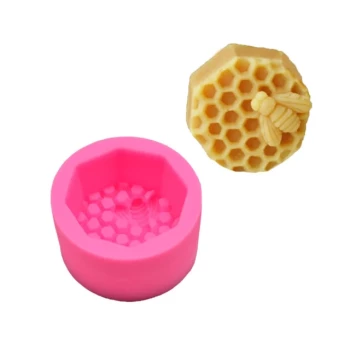
- If your primary focus is the artisanal or cosmetic market: Select smaller, precision molds that highlight the visual purity and color of the wax, making it more attractive for smaller-scale handling.
The casting mold is not just a container; it is the tool that finalizes the product's identity and readiness for the market.
Summary Table:
| Feature | Commercial Benefit | Operational Impact |
|---|---|---|
| Standardized Blocks | Enhances tradeability & market value | Optimizes warehouse stacking & palletizing |
| Uniform Weight | Simplifies bulk pricing & valuation | Eases industrial dosage calculations |
| Rapid Solidification | Locks in purity after filtration | Prevents re-contamination from the environment |
| Aesthetic Quality | Increases perceived grade for cosmetics | Reflects professional refining standards |
Scale Your Apiary Operations with HONESTBEE
Transitioning from raw beeswax to a market-ready commodity requires the right infrastructure. HONESTBEE specializes in supporting commercial apiaries and distributors with a comprehensive range of professional beekeeping machinery, including high-efficiency beeswax refining systems and casting tools.
Whether you are producing bulk industrial blocks or high-purity cosmetic-grade wax, our hardware is designed to maximize your output quality and logistics efficiency. From hive-making to honey-filling and wax processing, we provide the full spectrum of industrial consumables you need to grow.
Ready to upgrade your refining process? Contact our expert team today to discover how HONESTBEE can streamline your production.
References
- Kalayu Aregawi, Tiruneh Woreknesh. Challenges and opportunities of honey production in north- east dry land areas of Amhara National Regional State, Ethiopia. DOI: 10.5897/jabsd2018.0308
This article is also based on technical information from HonestBee Knowledge Base .
Related Products
- Colorful Silicone Beeswax Foundation Mold Mould for Beekeeping
- Notebook Style Beeswax Foundation Mould Wax Foundation Mold
- High-Efficiency 20-Cell Silicone Mold for Beeswax Bee Queen Cup Production
- 3D Square Honeycomb Pillar Silicone Candle Molds for Making Beeswax Candles
- 10-Cell Silicone Beeswax Bee Queen Cups Forming Mold
People Also Ask
- How do beeswax foundation molds facilitate the construction of standardized honeycombs? Optimize Your Apiary Efficiency
- How do you use the Foundation Mold to create beeswax foundation? Master DIY Beekeeping with Precision
- How can beeswax value-addition processes be utilized to increase beekeeping revenue? Boost Your Apiary Profitability
- What is the first tip for pouring beeswax into a silicone mold? Ensure a Perfect Release
- Why are specific wax foundation molds used to downsize brood cells? Master Mechanical Pest Inhibition