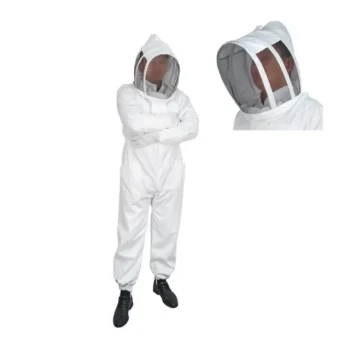
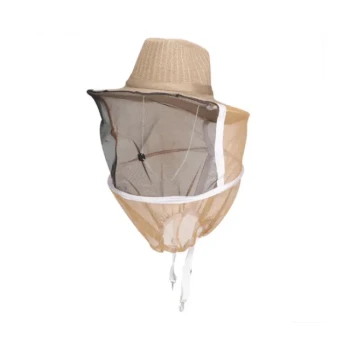
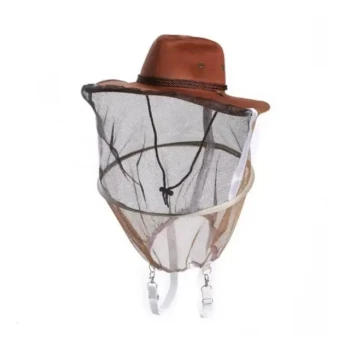
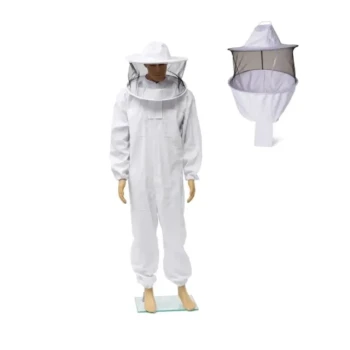
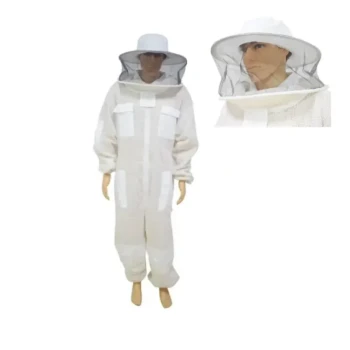
Beekeeping protective clothing serves a dual technical function: it acts as a physical shield against stings while simultaneously leveraging specific visual and tactile properties to minimize colony aggression. At its most fundamental level, this gear is designed to interrupt the honeybee's defensive response triggers, allowing for safe and managed interaction with the hive.
Core Takeaway Protective equipment is not merely armor; it is an operational tool that enables precision. By mitigating the risk of stings, the gear allows the operator to maintain the calm, deliberate movements necessary to prevent escalating the colony's defensive behavior.
The Mechanics of Physical Protection
The Physical Barrier
The primary function of suits, jackets, and veils is to create a comprehensive physical barrier. The material must be thick or woven tightly enough to prevent a stinger from penetrating to the skin.
Sealing Vulnerable Entry Points
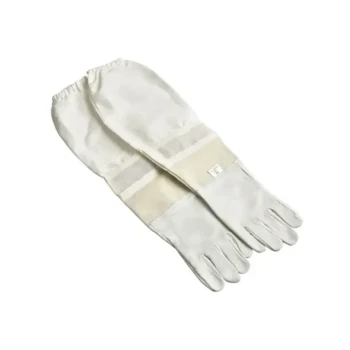
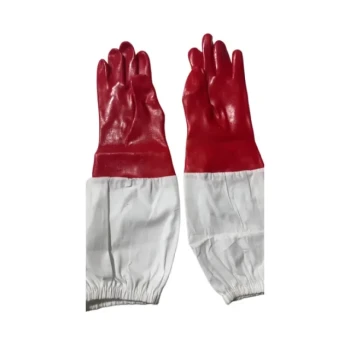
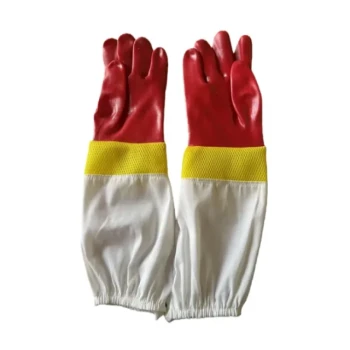
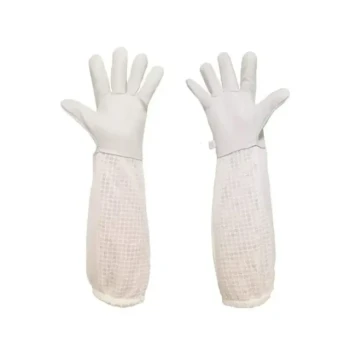
Bees naturally seek gaps and upward paths when investigating a threat. Beekeeping gloves are specifically engineered with extended gauntlets that reach up the forearm. This design overlaps with sleeves to create a seal, preventing bees from crawling inside clothing where they are most likely to sting due to entrapment.
Face and Sensory Protection
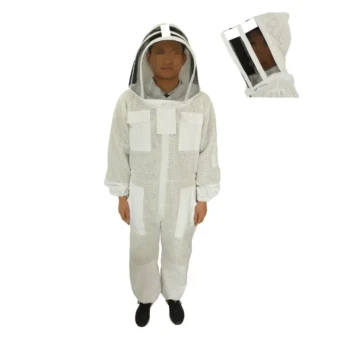
The veil is the most critical component, protecting the soft tissues of the eyes and face. It utilizes mesh that balances visibility and ventilation with sting prevention, ensuring the operator can visually inspect the comb without exposing vulnerable sensory organs to venom.
Behavioral Control Through Design
The Function of Color
Protective gear is predominantly white for a specific biological reason. Dark colors mimic natural predators of the honeybee, such as bears and badgers. White gear exploits this instinct, presenting a neutral visual profile that does not trigger an immediate defensive attack response from the guard bees.
Texture and Aggression
The fabric used in high-quality gear is intentionally smooth. Textured, fuzzy, or rough materials resemble the fur of mammals, which can incite stinging and alarm pheromone release. Smooth fabrics deny bees a grip and fail to trigger the tactile cues associated with a predator's coat.
Operational Impact on Management
Enabling Precision
The psychological security provided by the physical barrier allows the beekeeper to focus on fine motor tasks. Without the distraction of potential stings, an operator can manipulate frames and tools with the steadiness required to avoid crushing bees.
Facilitating Deep Inspection
Complex hive assessments, such as detecting pests, diseases, or checking the queen's condition, require time and focus. Adequate protection ensures these longer, more intrusive inspections can be completed thoroughly rather than rushed due to safety concerns.
Understanding the Trade-offs
Dexterity vs. Protection
There is a direct inverse relationship between glove thickness and tactile sensitivity. Thick leather gloves offer maximum protection but reduce dexterity, increasing the likelihood of clumsy handling that can crush bees and release alarm pheromones.
Material Limitations
While leather is durable, some operators opt for nitrile or latex gloves to regain tactile feedback. This sacrifices the impenetrable barrier of leather for the ability to feel the frames, demonstrating that protection must sometimes be balanced against the need for operational finesse.
Making the Right Choice for Your Goal
Select your protective configuration based on the specific requirements of your apiary management tasks.
- If your primary focus is aggressive colony management: Prioritize thick leather gloves and a full suit to maximize the physical barrier and confidence.
- If your primary focus is delicate queen rearing or grafting: Switch to nitrile or latex gloves to maximize dexterity and tactile feedback, accepting a slightly higher risk of stings.
The most effective protective gear is the set that makes you feel safe enough to work slowly, as your calmness is the primary signal that dictates the colony's behavior.
Summary Table:
| Component | Primary Technical Function | Key Design Feature |
|---|---|---|
| Full Suit/Jacket | Physical barrier & visual neutrality | White, smooth fabric to avoid predator mimicry |
| Veil | Sensory organ protection | High-visibility mesh for face & eye safety |
| Gloves (Leather) | Maximum sting prevention | Extended gauntlets to seal entry points |
| Gloves (Nitrile) | Tactile feedback & dexterity | Thin material for delicate queen-rearing tasks |
| Seals/Elastic | Entrapment prevention | Tight junctions at wrists and ankles to block bees |
Elevate Your Apiary Operations with HONESTBEE
At HONESTBEE, we understand that high-quality protective gear is the foundation of efficient hive management. Whether you are a large-scale commercial apiary or a global distributor, we provide the full spectrum of professional-grade beekeeping tools—from specialized machinery like honey-filling units to the most durable protective apparel.
Our wholesale solutions are designed to enhance your operational safety and precision. Let us supply you with the hardware and consumables your business needs to thrive. Contact us today to explore our comprehensive catalog and see how we can support your growth.
References
- Michael C. Watson. Adventures in Beekeeping. DOI: 10.1300/j096v09n01_10
This article is also based on technical information from HonestBee Knowledge Base .
Related Products
- White Cotton Beekeeping Jacket and Veil for Bee Keepers
- Beekeeping Jacket with Hood and Veil for Beekeepers
- Premium Cotton Beekeeper Suit with Reinforced Fencing Veil
- Beekeeper Cowboy Hat and Veil for Beekeeping
- Beekeeping Gloves Goatskin Leather with Long Cotton Sleeve for Beekeepers
People Also Ask
- What are the features of an economical beekeeping jacket? Essential Protection for Budget-Conscious Beekeepers
- What are the pros of using a beekeeping jacket? Unlock Superior Comfort and Mobility for Your Apiary
- What factors should a new beekeeper consider when choosing between a jacket and a full suit? Security vs. Comfort
- What are the advantages of a beekeeping jacket? Superior Mobility & Comfort for Routine Hive Inspections
- When is a beekeeping jacket considered a more suitable choice than a full suit? Optimize Your Apiary Mobility