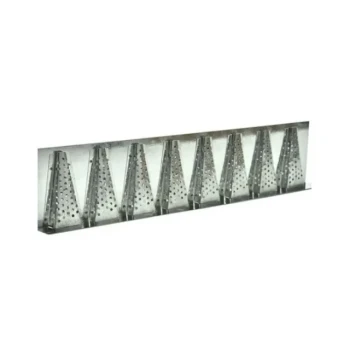
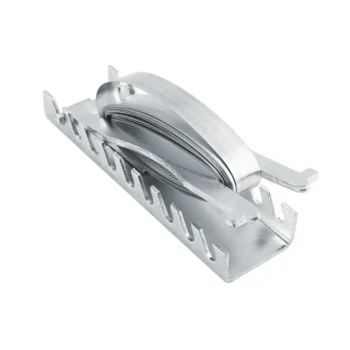
Mechanical barriers at beehive entrances function as selective physical control systems that regulate the biological traffic entering and exiting the colony. Technically, their primary purpose is to establish a defensive perimeter that excludes large predators—such as honey badgers, lizards, and birds—while preserving the structural integrity of the honeycombs inside. Beyond simple defense, advanced mechanical barriers utilize size-exclusion principles to manipulate colony behavior (such as retaining the queen) or to passively harvest resources like pollen for analysis.
The core technical value of a mechanical barrier lies in its ability to filter hive traffic based on physical size. Whether excluding a large predator or trapping a specific hive member, these devices provide a low-cost, non-chemical method for securing the colony’s assets and biological structure.
The Mechanics of Hive Entrance Control
Defense Through Physical Exclusion
The fundamental role of an entrance barrier is predator negation. Without a barrier, large aggressors like honey badgers or birds can bypass the guard bees to physically destroy the comb or decimate the worker population.
These structures act as a hardened choke point. By reducing the aperture of the entrance to a size that admits only bees, the barrier renders the brute force of larger predators ineffective. This is a critical, low-cost security protocol for apiary management.
Colony Retention via Size Discrimination
Barriers known as "queen gates" apply the technical principle of differential size exclusion. These devices are calibrated to the specific morphometrics of the bee castes.
Because the queen bee is physically larger than the worker bees, the gate restricts her passage while allowing the smaller workers to forage freely. This mechanism is technically deployed to prevent the colony from absconding or migrating during periods of environmental stress, thereby securing the economic viability of the hive.
Passive Resource Sampling
Specialized barriers, such as Mechanical Pollen Collectors, serve a data-gathering function. These devices are engineered to mechanically interfere with returning foragers without halting their entry.
As bees pass through the barrier, the device dislodges pollen pellets from their hind legs. This allows for the collection of temporally representative samples, enabling the apiarist or researcher to analyze local plant sources and foraging patterns without dismantling the hive structure.
Understanding the Trade-offs
Impact on Traffic Flow
While barriers provide security, they introduce a physical bottleneck at the hive entrance. Any mechanical obstruction reduces the speed at which foragers can enter and exit, potentially causing congestion during peak nectar flows.
Specificity of Application
It is critical to match the barrier to the specific threat or goal. A standard predator barrier may stop a badger but will not prevent a colony from swarming if the queen can still fit through the openings. Conversely, a queen gate is a containment tool, not necessarily a hardened defense against a determined large predator.
Making the Right Choice for Your Goal
Select your mechanical barrier based on the specific biological or environmental variable you need to control.
- If your primary focus is Colony Defense: Prioritize robust physical blockades designed to withstand force to exclude large predators like badgers and birds.
- If your primary focus is Risk Mitigation: Install queen gates during food shortages to technically prevent the colony from migrating or absconding.
- If your primary focus is Environmental Analysis: Utilize mechanical pollen collectors to harvest samples for studying plant source utilization without disrupting the colony.
Mechanical barriers turn the hive entrance from a passive opening into a managed filter that protects the colony's resources.
Summary Table:
| Barrier Type | Technical Function | Primary Benefit |
|---|---|---|
| Predator Blockades | Physical size exclusion of large animals | Prevents colony destruction by badgers, birds, and lizards |
| Queen Gates | Differential morphometric filtering | Prevents absconding and migration by retaining the queen |
| Pollen Collectors | Mechanical dislodgement of pollen pellets | Enables resource sampling and environmental analysis without hive disruption |
| Entrance Reducers | Aperture constriction and airflow control | Improves hive defense and thermal regulation during winter |
Elevate Your Apiary Management with HONESTBEE
At HONESTBEE, we understand that professional beekeeping requires precision engineering. Whether you are managing a large-scale commercial operation or distributing specialized equipment, our comprehensive range of beekeeping tools, hive-making machinery, and honey-processing equipment is built to meet industrial standards.
From robust mechanical barriers that secure your assets to high-efficiency honey-filling machines, we provide everything commercial apiaries and distributors need to thrive. Maximize your colony's productivity and security today—contact our expert team for wholesale solutions!
References
- Gidey Yirga. Assessment of beekeeping practices in Asgede Tsimbla district, Northern Ethiopia: Absconding, bee forage and bee pests. DOI: 10.5897/ajar10.1071
This article is also based on technical information from HonestBee Knowledge Base .
Related Products
- Steel Round Disc Entrance Reducer for Flexzion Bee Hive Nuc Box Gate
- Beehive Entrance Discs Plastic Bee Entrance Disc for Bee Hives
- Beehive Entrance Reducer Guardian Metal Hive Entrance for Bees
- Professional Reversible Beehive Hive Entrance
- Multi-Functional Sliding Hive Entrance for Beekeeping
People Also Ask
- What is the purpose of an entrance reducer for a beehive? Strengthen Colony Defense and Prevent Robbery
- Why are entrance reducers used to counter hornet infestations? Protect Your Hive with Strategic Choke Points
- Why is it critical to maintain a smaller entrance for a newly established bee hive? Boost Colony Growth and Security
- Under what conditions should a beekeeper adjust the size of a beehive entrance? Seasonal & Defense Management Tips
- What is the function of an entrance reducer on a beehive? Strengthen Colony Defense and Climate Control