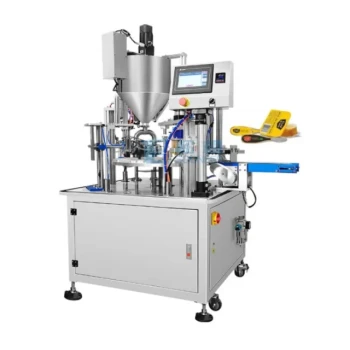
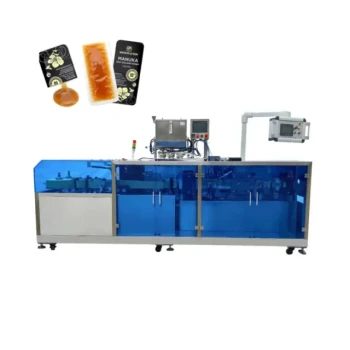
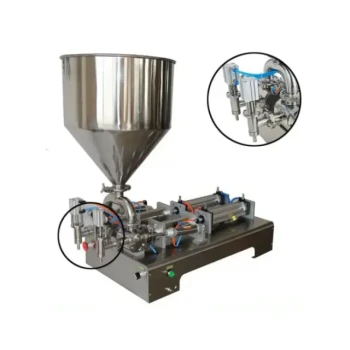
Semi-automatic honey filling machines provide a transformative leap in operational efficiency by replacing inconsistent manual labor with high-precision quantitative control and standardized hygiene protocols. These systems utilize advanced weight-based or volumetric dosing technology to ensure every unit meets exact net weight requirements, effectively eliminating the product waste and overflow common in manual operations. By integrating mechanical sealing and closed-piping architectures, these machines significantly enhance product shelf life and safety, providing the technical foundation required to scale from bulk storage to premium retail-ready brands.
For distributors and wholesalers, semi-automatic filling machines represent the critical bridge between artisanal production and industrial scalability. They ensure the consistency, hygiene, and throughput necessary to meet the rigorous standards of modern retail markets while protecting profit margins through waste reduction.
Precision Control and Material Optimization
Eliminating Manual Inaccuracy
Manual filling is inherently prone to human error, leading to inconsistent fill levels that can compromise brand trust and regulatory compliance. Semi-automatic machines utilize precise liquid level control or weight-based dosing to ensure that every packaged unit contains a uniform net weight. This level of standardized bottling is essential for distributors who must guarantee specification accuracy to their retail partners.
Maximizing Product Yield
Honey is a high-value commodity where even minor overflows represent significant financial loss over a production cycle. Mechanical filling technology eliminates overflow and product waste, ensuring that every drop of bulk inventory is converted into a saleable unit. This optimization of raw materials directly improves the bottom line for large-scale apiaries and wholesalers.
Superior Hygiene and Safety Standards
Preventing Secondary Contamination
Manual packaging introduces multiple points of contact, increasing the risk of environmental or human-borne contaminants. Industrial semi-automatic machines often feature closed-piping architectures that minimize the exposure of the honey to the external environment. This rigorous hygiene standard is foundational for maintaining the food-grade integrity required for international commercial circulation.
Enhancing Airtightness and Shelf Life
The quality of a seal determines the longevity of the product on a retail shelf. Mechanical sealing improves airtightness compared to manual methods, preventing oxidation and crystallization issues. For B2B resellers, this enhanced shelf stability increases the competitiveness of the product and reduces the risk of returns due to spoilage or leakage.
Operational Scalability and Market Readiness
Accelerating Production Throughput
The transition from manual to semi-automatic systems significantly reduces the time required to transfer honey from large storage tanks to retail packaging. This high-efficiency workflow allows distributors to respond rapidly to large-scale market demands. Rapid order fulfillment is a key competitive advantage in the B2B sector, where supply chain speed is often a deciding factor for buyers.
Supporting Brand Consistency
Uniformity in packaging—from fill levels to seal quality—is a prerequisite for building a premium brand. Automated systems provide the technical foundation for brand scale, ensuring that every bottle on a shelf looks identical. This consistency builds consumer confidence and supports the value-added potential of the honey product in professional retail environments.
Understanding the Trade-offs
Initial Capital vs. Long-term ROI
The primary barrier to adopting semi-automatic equipment is the initial capital expenditure compared to the low cost of manual tools. However, this must be weighed against the reduction in labor costs and material loss over time. For businesses focused on growth, the return on investment (ROI) is typically realized quickly through increased throughput and decreased waste.
Maintenance and Cleaning Requirements
Unlike manual tools, semi-automatic machines require a dedicated maintenance schedule and specialized cleaning procedures to ensure food safety. The complexity of closed-piping systems requires operators to follow strict sanitation protocols. While this adds a layer of operational oversight, it is a necessary component of professional, large-scale honey production.
How to Apply This to Your Project
When integrating semi-automatic filling technology into your distribution or production workflow, your choice should align with your specific commercial objectives.
- If your primary focus is rapid market expansion: Prioritize machines with high throughput and quick-changeover capabilities to handle diverse container sizes and meet urgent order deadlines.
- If your primary focus is premium brand positioning: Invest in systems with the highest precision dosing and superior mechanical sealing to ensure a flawless, high-end consumer experience.
- If your primary focus is operational cost-efficiency: Focus on equipment that emphasizes waste reduction and low maintenance requirements to maximize the yield from your bulk honey inventory.
By choosing the right automated solutions, you empower your business to deliver consistent, high-quality honey products that meet the highest standards of the global B2B marketplace.
Summary Table:
| Feature | Manual Filling Method | Semi-Automatic Machine | Business Impact |
|---|---|---|---|
| Dosing Precision | High risk of human error | Weight-based/Volumetric control | Eliminates waste; ensures compliance |
| Hygiene Standards | Multiple contact points | Closed-piping architecture | Reduces contamination; ensures food safety |
| Throughput Speed | Slow and labor-intensive | High-efficiency workflow | Rapid order fulfillment for B2B |
| Seal Quality | Inconsistent airtightness | Mechanical sealing | Longer shelf life; premium brand image |
| Cost Analysis | Low upfront, high long-term loss | Initial investment, high ROI | Significant reduction in labor & material loss |
Scale Your Honey Business with HONESTBEE’s Professional Solutions
Are you ready to transition from manual bottlenecks to industrial efficiency? HONESTBEE specializes in empowering distributors, wholesalers, and B2B resellers with a comprehensive, one-stop sourcing portfolio. From high-precision honey filling machines to specialized hive-making equipment and industry consumables, we provide the tools you need to protect your profit margins and ensure supply reliability.
Why Partner with HONESTBEE?
- Comprehensive Portfolio: Full-spectrum beekeeping machinery and honey-themed merchandise.
- B2B Excellence: Dedicated support for OEM/ODM requirements and rapid order fulfillment.
- Expertise & Speed: Deep industry knowledge combined with ultra-fast delivery times.
Take the next step in professionalizing your honey packaging process. Contact our expert team today to discuss wholesale pricing and customized equipment solutions tailored to your market needs!
References
- Phiri Simbi, Chipo Kalila. Sustainable Beekeeping Practices Adoption by Women Cooperatives in Malawi: Economic Benefits and Environmental Impact Evaluation. DOI: 10.5281/zenodo.18751920
This article is also based on technical information from HonestBee Knowledge Base .
Related Products
- Semi Automatic Small Honey Bottle Filling Machine Honey Filler
- Precision Durable Efficient HONESTBEE Rotary Honey Filling Machine
- Automatic Honey Filling and Filtering Machine for Beekeeping Bottle Filling
- Precision Automated Packaging Turntable Honey Spoon Filling Sealing Packing Machine
- Automatic Single-Dose Snap & Squeeze Honey Sachets Packing Machine
People Also Ask
- What is a semi-automatic honey filler? Scale Your Honey Production with Precision and Efficiency
- What technical advantages do honey filling and packaging machines provide? Optimize Your Large-Scale Production
- What are the key features to consider in a honey filling machine? Optimize Your Production with the Right Equipment
- How does a honey filling machine benefit small-scale honey processing businesses? Boost Efficiency & Brand Quality
- What challenges can arise from packaging honey without a suitable filling machine? Optimize Your Production Today