Post-split care requires a disciplined balance of observation and restraint. To ensure survival, you must monitor new hives for at least one week to confirm queen acceptance and the presence of new eggs, while strictly maintaining temperature stability to protect the brood.
The critical period for a new colony involves verifying the queen's establishment while protecting the hive from thermal loss. Success requires monitoring for stress signs without disrupting the delicate development of the new queen.
Monitoring Colony Establishment
Verifying Queen Acceptance
The primary indicator of a successful split is the colony's acceptance of the queen. You must monitor the hive closely during the first week to confirm that the bees have not rejected her.
Checking for New Eggs
Beyond mere acceptance, the colony's survival depends on the queen's productivity. You must look for the presence of new eggs, which confirms the queen is laying and the colony has a viable future.
Identifying Signs of Stress
Be vigilant for behavioral changes in the colony. High levels of aggression or erratic activity are clear indicators that the colony is experiencing stress, which may jeopardize the split.
Managing Environmental Factors
Maintaining Temperature Stability
New colonies often lack the population density to generate sufficient heat efficiently. You must ensure the hive maintains temperature stability, particularly during cold nights.
The Impact of Cold Weather
If a newly split colony cannot maintain heat, the brood's development will be compromised. Cold temperatures can shock the colony, negatively impacting their ability to survive the critical post-split phase.
Operational Safety and Stability
The Necessity of Protective Gear
To manage a hive effectively, you must utilize proper safety equipment, specifically a veil and specialized beekeeping gloves. This gear protects the face and hands from stings.
Preventing Accidents
Proper protection is not just for your comfort; it ensures the safety of the colony. Fear of stings can cause a loss of focus, leading to dropped hive frames or clumsy handling that can damage the delicate new colony.
Common Pitfalls: The Observation Paradox
The Risk of Over-Manipulation
There is a critical trade-off between monitoring the hive and stressing the bees. While you need to confirm success, new hives should generally be left undisturbed while the new queen develops.
Balancing Intervention
Excessive checking can disrupt the colony's internal climate and pheromones. The goal is to gather necessary information (eggs, acceptance) with the minimum amount of physical intrusion required.
Making the Right Choice for Your Colony
To ensure the best outcomes for your new split, align your actions with your immediate observations:
- If your primary focus is establishing the queen: Prioritize a brief check for eggs after one week, but otherwise keep the hive closed to allow her to settle.
- If your primary focus is colony health during weather fluctuations: Minimize all inspections during cold spells to prevent heat loss that the smaller population cannot recover from.
- If your primary focus is safe management: Always wear full protective gear to ensure your movements remain calm, steady, and precise.
Successful post-split care is defined by providing the stability the bees need to reorganize.
Summary Table:
| Care Aspect | Key Indicator/Action | Importance level |
|---|---|---|
| Queen Acceptance | Presence of new eggs within 7 days | Critical |
| Thermal Regulation | Minimal inspections during cold spells | High |
| Colony Behavior | Monitoring for aggression/stress signs | Moderate |
| Operator Safety | Use of veil and specialized gloves | Essential |
| Manipulation | Restraint and minimal hive disturbance | Critical |
Scaling Your Apiary? Partner with HONESTBEE for Professional Success.
At HONESTBEE, we specialize in empowering commercial apiaries and distributors with the robust infrastructure needed for large-scale colony management. Whether you are splitting hives or scaling honey production, our comprehensive wholesale portfolio offers everything from high-precision hive-making and honey-filling machinery to essential industry consumables and specialized beekeeping hardware.
Don't let equipment gaps hinder your colony's survival. Benefit from our industry expertise and premium tools designed for stability and efficiency.
Ready to upgrade your beekeeping operations? Contact us today to explore our wholesale solutions!
Related Products
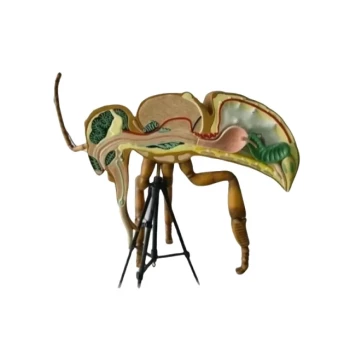
- HONESTBEE Anatomy Bee Model Detailed Anatomical Display for Education and Study
- HONESTBEE Entrance Bee Feeder Professional Hive Nutrition Solution for Beekeeping
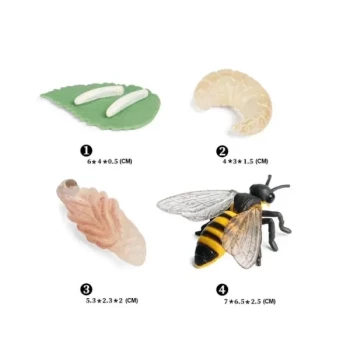
- Honey Bee Life Cycle Model 4 Stage Educational Set for Kids Learning
- Honey Bee Lifecycle Model: A Detailed Honeycomb Display of Bee Development
- Langstroth Honey Bee Box Hive Boxes for Different Depths
People Also Ask
- How do honey bees utilize water to regulate the internal temperature of the hive? Master Evaporative Cooling Methods
- Is it good to have honey bees in your yard? A Guide to Boosting Your Garden's Health
- What criteria should be considered in the selection process for honey bee breeding? Top Traits for Sustainable Apiaries
- What should be considered when learning the behavior of honey bees and their queens? Master Colony Management
- Why is maintaining specific relative humidity levels critical in caged honey bee experiments? Ensure Research Validity