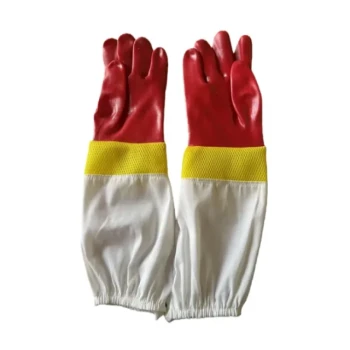
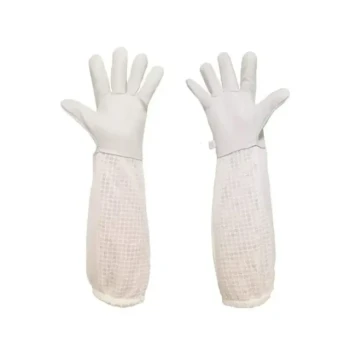
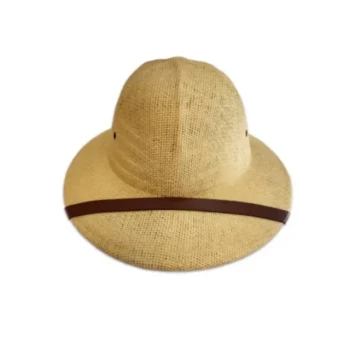
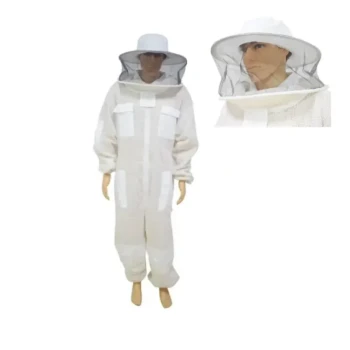
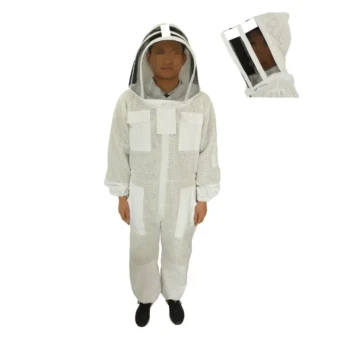
The most vital precaution when using protective beekeeping gear is to rigorously inspect the garment immediately after use. Before removing your suit or leaving the apiary, you must check all zippers, fabric folds, and creases to ensure no stray bees are trapped, preventing accidental stings or the transport of bees into your home or vehicle.
Protective gear is a tool, not a guarantee of safety. Effective protection requires not just wearing the suit, but actively managing how it fits, how it is maintained, and ensuring no bees remain "hitchhiking" in the fabric after the work is done.
The Post-Inspection Protocol
This is the phase most often overlooked by beekeepers, yet it presents the highest risk for accidental stings.
Check Hidden Creases
Bees instinctively crawl into dark, tight spaces. The folds of fabric near zippers and pockets are prime locations for stray bees to hide.
Verify Zippers
Ensure that zippers are completely closed during use and inspect the tracks afterward. A bee trapped in a zipper mechanism can sting if you inadvertently press against it while undressing.
Prevent Unintentional Transport
Failing to clear your gear of bees can result in bringing them away from the colony. This poses a safety risk to people outside the apiary zone who are not wearing protective equipment.
Ensuring a Secure Seal
The effectiveness of beekeeping gear is defined by its weakest point. If there is a gap, a bee will likely find it.
Secure the Extremities
Your gear must feature tight, high-quality elastic around the wrists and ankles. This prevents bees from crawling up sleeves or pant legs, which is a common path for stings.
Evaluate Seam Integrity
Look for gear with double-stitched seams. This construction enhances durability and prevents seams from bursting or developing small holes that bees could exploit.
Proper Sizing
Select a size that allows for full freedom of movement. Gear that is too tight may tear or pull open at the cuffs, while gear that is excessively loose may snag on hive equipment.
Matching Gear to the Mission
Not every task requires the same level of armor. Precaution involves choosing the right tool for the specific environment and duration.
Full Suits for Intensive Work
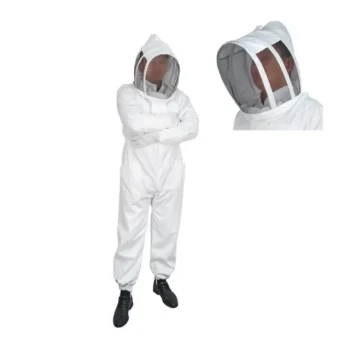
For thorough, long-duration hive inspections, a full-body suit provides comprehensive protection. This creates a complete physical barrier and is the safest option for managing defensive colonies.
Jackets for Quick Assessments
For brief assessments or maintenance tasks, a jacket and veil may suffice. This offers upper-body protection while allowing for greater ventilation and ease of movement.
The Non-Negotiable Minimum
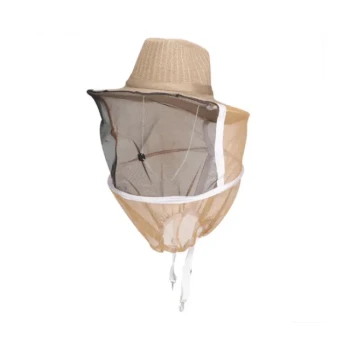
Regardless of experience level, you must always protect your eyes and face with a veil. This is the least cumbersome but most critical piece of safety equipment.
Understanding the Trade-offs
While gear is essential for safety, relying on it blindly can lead to issues.
The False Sense of Security
Wearing a full suit can sometimes make beekeepers feel invulnerable. It is important to remember that stings can still occur through fabric if the mesh is pressed tight against the skin.
Maintenance vs. Durability
High-quality gear requires care. While durable materials are machine washable, frequent washing without inspecting for wear and tear can degrade the mesh or elastic over time, compromising safety.
Making the Right Choice for Your Goal
Your approach to protective gear should evolve based on your experience and the specific task at hand.
- If your primary focus is building confidence as a novice: Prioritize a full beekeeping suit, gloves, and a veil to eliminate fear and ensure you can focus on learning hive mechanics.
- If your primary focus is quick, low-impact maintenance: Utilize a jacket and veil to maximize mobility and comfort while maintaining essential upper-body protection.
- If your primary focus is equipment longevity: Invest in gear with double-stitched seams and industrial-grade materials that can withstand frequent machine washing.
Safety in the apiary is not just about what you wear, but how meticulously you check it before and after the job.
Summary Table:
| Safety Category | Key Precautionary Action | Importance Level |
|---|---|---|
| Post-Inspection | Check zippers and fabric folds for stray bees | Critical |
| Seal Integrity | Inspect elastic cuffs and double-stitched seams | High |
| Gear Selection | Match suit type (Full vs. Jacket) to the task | Moderate |
| Maintenance | Regular washing and checking for mesh wear | Essential |
| Personal Safety | Always prioritize eye and face protection | Non-negotiable |
Level Up Your Apiary Safety with HONESTBEE
At HONESTBEE, we understand that professional beekeeping requires more than just equipment—it requires peace of mind. As a premier partner for commercial apiaries and distributors, we provide a comprehensive wholesale range of high-durability beekeeping suits, jackets, and essential safety gear designed to withstand the rigors of industrial use.
Beyond protective apparel, our portfolio includes specialized hive-making and honey-filling machinery, as well as a diverse array of industry consumables and honey-themed merchandise to help your business thrive.
Partner with the experts to secure your operations. Contact us today to explore our wholesale offerings and see how our premium tools and machinery can enhance your efficiency and safety.
Related Products
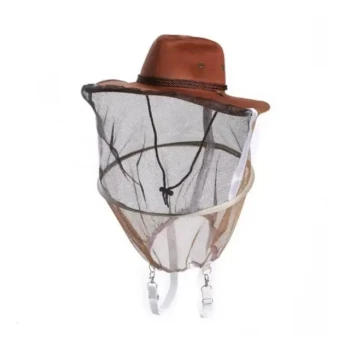
- Premium Cowboy Beekeeper Hat with Visibility Veil Outdoor Professional Beekeeping Protective Gear
- Premium Cotton Beekeeper Suit with Reinforced Fencing Veil
- White Cotton Beekeeping Jacket and Veil for Bee Keepers
- Beekeeper Cowboy Hat and Veil for Beekeeping
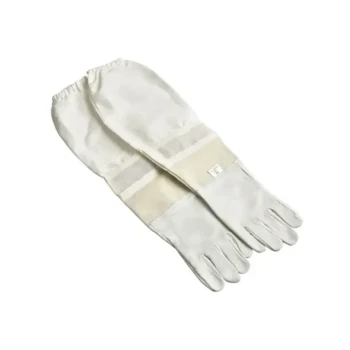
- Beekeeping Gloves Goatskin Leather with Long Cotton Sleeve for Beekeepers
People Also Ask
- What design features contribute to the stability and fit of the beekeeper hat? Key Features for Maximum Hive Safety
- How is the beekeeper hat designed for comfort and practicality? Explore Key Features for Enhanced Apiary Safety
- What is the general protective gear recommendation for new beekeepers? Your Essential Beginner's Safety Guide
- How does beekeeping protective gear facilitate the queen bee selection process? Enhancing Precision in Queen Breeding
- What should beekeepers consider when choosing protective gear? A Guide for Maximum Safety & Comfort