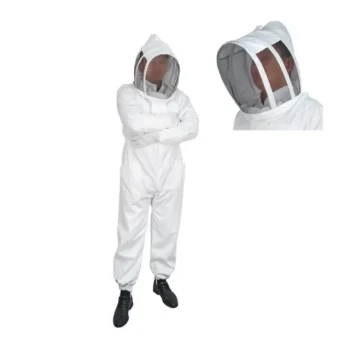
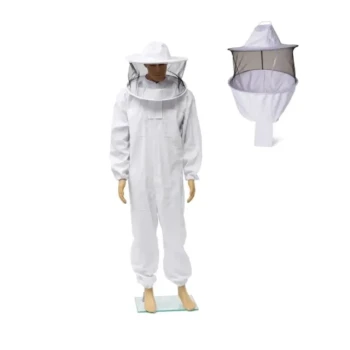
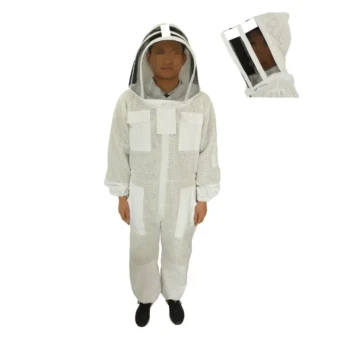
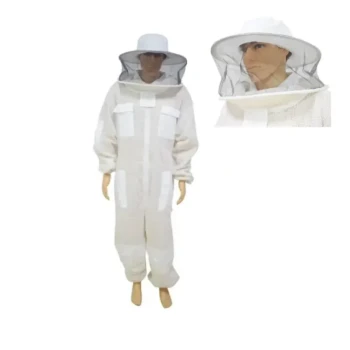
To ensure the safety of your washing machine and the longevity of your protective gear, specific steps must be taken before the wash cycle begins. You must clear all pockets of tools and debris, meticulously remove any beeswax, detach the veil for hand washing, and secure all zippers to prevent fabric damage.
The Critical Balance: While cleaning is necessary for hygiene and disease control, a washing machine can be destructive to beekeeping gear if not prepped correctly. The most overlooked risk is residual beeswax, which can melt and permanently damage the internal components of your appliance.
Essential Debris Removal
Clear the Pockets
Before doing anything else, fully empty every pocket on the suit.
Remove all hive tools, queen cages, and any other small equipment. Hard metal or plastic objects can damage the washing machine drum or tear the suit's fabric during the spin cycle.
The Beeswax Hazard
You must manually scrape off any pieces of beeswax stuck to the fabric.
Beeswax melts at approximately 145 degrees Fahrenheit. If left on the suit, it will melt during the wash cycle, potentially clogging your washing machine's internal hoses and pumps.
Protecting the Suit Structure
Detach the Veil
Never put the veil in the washing machine.
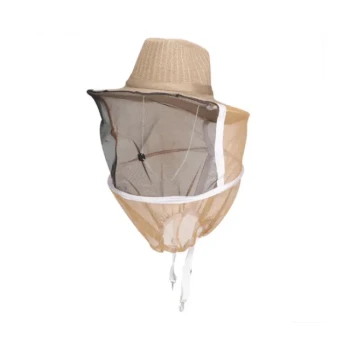
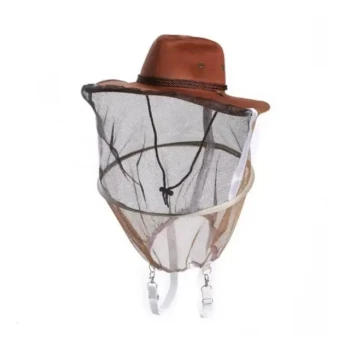
Remove the detachable veil completely before washing the rest of the suit. The screen material is fragile and requires separate hand washing to maintain visibility and structural integrity.
Secure All Fasteners
Close every zipper and fasten all buttons or Velcro closures.
Loose zippers can snag on the fabric mesh during agitation, causing tears. securing them ensures the suit tumbles smoothly without catching on itself.
Pre-Treatment for Stains
Manual Scrubbing
If the suit is heavily soiled, address stains before the machine cycle starts.
Gently scrub the affected areas using a soft-bristled brush and warm water. This loosens propolis, grass stains, or honey residue that the machine might miss.
Safe Cleaning Agents
For stubborn spots, you can apply mild stain removers during the pre-wash scrubbing.
White vinegar or lemon juice are effective, natural options for breaking down biological material without using harsh chemicals.
Common Pitfalls to Avoid
Avoiding Chemical Damage
During your preparation, ensure you are not planning to use bleach or fabric softener.
Bleach degrades the fibers, reducing the suit's ability to protect you from stings. Fabric softener can leave a residue that masks the alarm pheromones bees release, or conversely, makes the fabric less breathable.
The Heat Risk
While prepping, double-check your machine settings to ensure you are using cold water.
Hot water increases the risk of any remaining wax melting and redepositing into the fabric fibers or the machine. Additionally, never plan to use a machine dryer; the suit must always be hung to dry.
Making the Right Choice for Your Goal
To get the most out of your equipment, align your process with these priorities:
- If your primary focus is protecting your washing machine: Ensure you have meticulously scraped off all beeswax, as melted wax is the single biggest threat to your appliance's mechanics.
- If your primary focus is extending the life of the suit: Remove the veil every single time and close all zippers to prevent mechanical tearing during the cycle.
- If your primary focus is hygiene and aesthetics: Pre-treat stains with a soft brush and vinegar, as the gentle machine cycle alone may not remove ground-in propolis or dirt.
Treat your beekeeping suit as a delicate piece of safety engineering, not just laundry.
Summary Table:
| Preparation Step | Action Required | Why It Matters |
|---|---|---|
| Pocket Check | Remove tools & debris | Prevents drum damage and fabric tears |
| Wax Removal | Manually scrape off beeswax | Prevents wax from melting and clogging machine hoses |
| Veil Care | Detach for hand washing | Protects fragile screen mesh and maintains visibility |
| Fasteners | Secure all zippers and Velcro | Prevents snagging and mechanical damage during wash |
| Pre-treatment | Scrub stains with vinegar/lemon | Effectively removes propolis and organic stains |
Maximize Your Apiary's Efficiency with HONESTBEE
Maintaining your gear is just the first step in a successful beekeeping operation. At HONESTBEE, we empower commercial apiaries and distributors with high-performance, professional-grade equipment designed to scale your business.
Why choose HONESTBEE?
- Comprehensive Wholesale Catalog: From durable beekeeping suits to advanced hive-making and honey-filling machinery.
- Industry-Standard Tools: We supply the full spectrum of equipment and essential consumables needed for large-scale operations.
- Cultural Merchandise: Expand your brand with our unique honey-themed cultural products.
Ready to upgrade your apiary with premium tools and machinery? Contact our expert team today to discuss our wholesale offerings and how we can support your growth.
Related Products
- Premium Cotton Beekeeper Suit with Reinforced Fencing Veil
- Professional Cotton Beekeeper Suit with Round Veil Design for Commercial Apiaries
- Professional Beekeeper Suit with Square Folding Cotton Veil
- Vented Beekeeping Jacket with Hood and Veil for Beekeepers
- Professional Beekeeping Suit for Kids and Girls Childrens Bee Keeper Suit
People Also Ask
- What material and design specifications are recommended for a high-quality beekeeper suit? Top Gear Selection Guide
- How to Pre-treat Propolis Stains on Beekeeping Suits? Master Advanced Fabric Care and Soil Removal
- What features should be considered for sting protection in a beekeeping suit? Ensure Total Safety and Comfort
- What are the differences between full suits and jackets with veils in beekeeping? Choose Your Best Protection
- What features should be looked for in a beekeeping suit for maximum comfort? Prioritize Ventilation and Fit