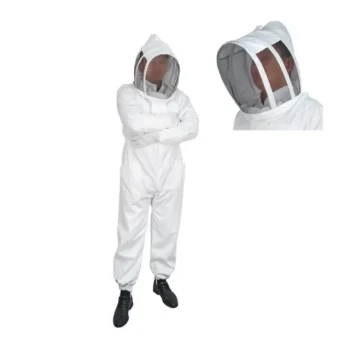
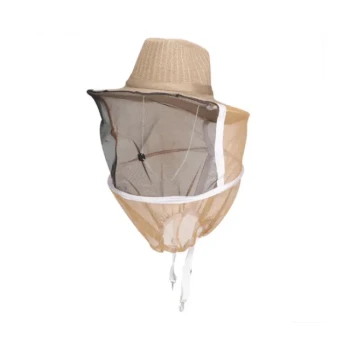
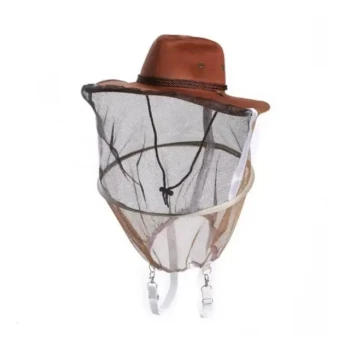
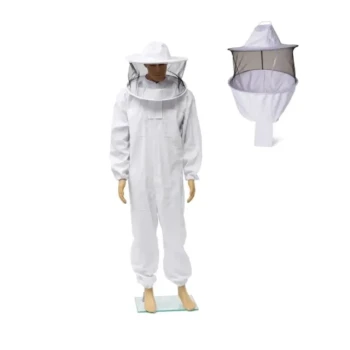
To protect against stings effectively, beekeepers rely on a system of specialized clothing designed to create a physical barrier between the skin and the bees. This standard protective kit primarily consists of a bee suit (or jacket), a hat and veil, and gloves.
While the specific combination of gear may vary based on experience, the fundamental goal is to provide a comprehensive shield—particularly for the face and neck—to ensure safety and confidence while working the hive.
The Core Components of Beekeeping Safety
The First Line of Defense: Hat and Veil
Regardless of experience level, protecting the face is the highest priority. Almost all beekeepers wear at least a veil to shield the face and neck areas, which are highly sensitive to stings.
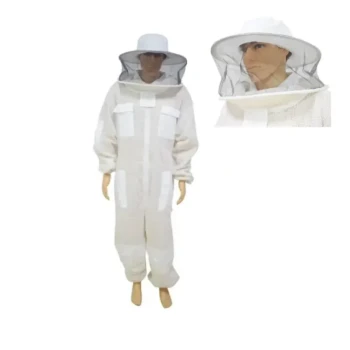
The veil is typically attached to a hat or integrated directly into the suit. It uses a fine mesh that allows for visibility and airflow while preventing bees from reaching the skin.
Full Body Coverage: The Bee Suit
For maximum protection, beekeepers wear a full-body bee suit. This one-piece garment covers the torso, arms, and legs, minimizing the risk of stings across the entire body.
The suit is designed to be loose-fitting. This keeps the fabric away from the skin so that a sting cannot penetrate deep enough to cause injury.
Upper Body Mobility: The Bee Jacket
Some beekeepers prefer a bee jacket as an alternative to the full suit. This provides protection for the torso and arms but leaves the legs covered only by the wearer's regular trousers.
This option offers similar upper-body security to a full suit. It is often chosen for quick inspections or by those who find a full suit too cumbersome.
Hand Protection: Gloves
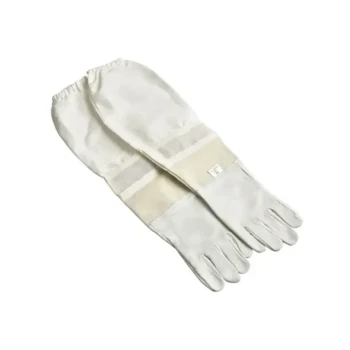
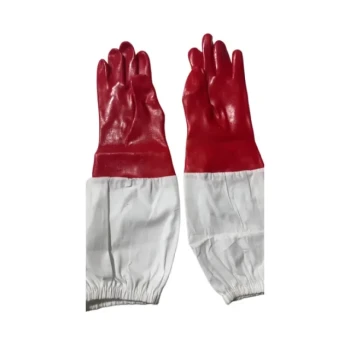
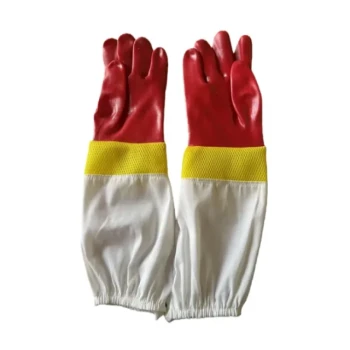
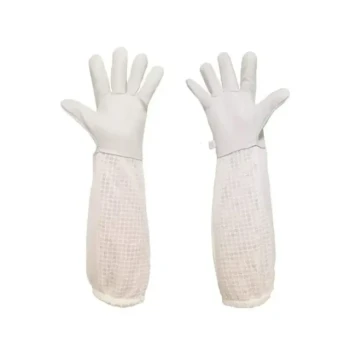
Hands are the primary tool for working frames and interacting with the hive, making them vulnerable targets. Beekeepers wear specialized gloves to protect their hands and wrists.
Gloves usually feature long gauntlets that extend up the arm. These gauntlets create a seal over the sleeves of the suit or jacket to prevent bees from crawling inside.
Evaluating Protection Levels
The Importance of Confidence
For novice beekeepers, utilizing the full range of equipment is strongly recommended. Wearing a complete suit, gloves, and veil helps build the confidence necessary to work calmly around bees.
Fear of stings can lead to jerky movements, which may agitate the colony. Comprehensive protection eliminates this distraction, allowing the beginner to focus on technique.
Experience and Risk Assessment
As beekeepers gain experience, they may alter their gear based on personal comfort and the specific task at hand. While beginners should cover up fully, seasoned professionals might occasionally scale back.
However, even experienced beekeepers maintain a baseline of safety. While they might forgo a full suit for a jacket, the veil remains a non-negotiable piece of equipment for protecting the head.
Making the Right Choice for Your Goal
When selecting your protective gear, align your choice with your experience level and comfort requirements.
- If your primary focus is maximum safety and confidence: Opt for a full bee suit, gloves, and a hat with a veil to ensure a comprehensive physical barrier against stings.
- If your primary focus is mobility and ease of use: Consider a bee jacket combined with a veil, provided you are comfortable wearing standard trousers for leg protection.
The best protective gear is the set that allows you to work calmly, effectively, and without fear of injury.
Summary Table:
| Protective Gear | Body Area Protected | Key Benefit for Beekeepers |
|---|---|---|
| Hat & Veil | Face & Neck | Critical protection for sensitive areas; ensures visibility. |
| Full Bee Suit | Full Body | Maximum coverage with loose-fitting fabric to prevent sting penetration. |
| Bee Jacket | Torso & Arms | Enhanced mobility and ventilation for quick hive inspections. |
| Gloves | Hands & Wrists | Long gauntlets seal sleeves to prevent bees from crawling inside. |
Elevate Your Beekeeping Operation with HONESTBEE
At HONESTBEE, we understand that high-quality protective gear is the foundation of a productive apiary. As a premier partner for commercial apiaries and distributors, we provide more than just safety; we deliver the confidence to grow your business. Our comprehensive wholesale catalog includes:
- Professional Protective Wear: Durable bee suits, jackets, and reinforced gloves.
- Advanced Machinery: State-of-the-art hive-making and honey-filling machines to scale your production.
- Full Equipment Spectrum: From specialized hardware to essential industry consumables.
- Cultural Merchandise: Unique honey-themed products to diversify your retail offering.
Whether you are scaling a commercial operation or stocking your distribution network, HONESTBEE provides the specialized tools and expertise you need to succeed. Contact us today to explore our wholesale solutions!
Related Products
- White Cotton Beekeeping Jacket and Veil for Bee Keepers
- Beekeeping Jacket with Hood and Veil for Beekeepers
- Premium Cotton Beekeeper Suit with Reinforced Fencing Veil
- Beekeeping Gloves Goatskin Leather with Long Cotton Sleeve for Beekeepers
- Beekeeper Cowboy Hat and Veil for Beekeeping
People Also Ask
- What are the features of an economical beekeeping jacket? Essential Protection for Budget-Conscious Beekeepers
- What are the pros of using a beekeeping jacket? Unlock Superior Comfort and Mobility for Your Apiary
- What factors should a new beekeeper consider when choosing between a jacket and a full suit? Security vs. Comfort
- What are the advantages of a beekeeping jacket? Superior Mobility & Comfort for Routine Hive Inspections
- When is a beekeeping jacket considered a more suitable choice than a full suit? Optimize Your Apiary Mobility