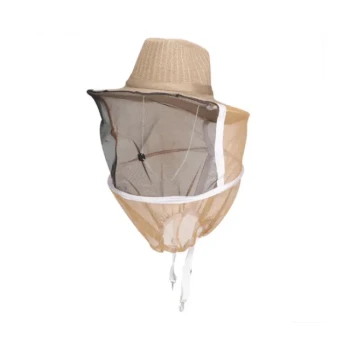
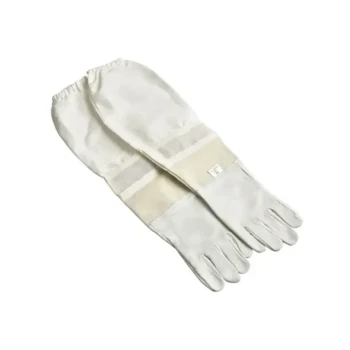
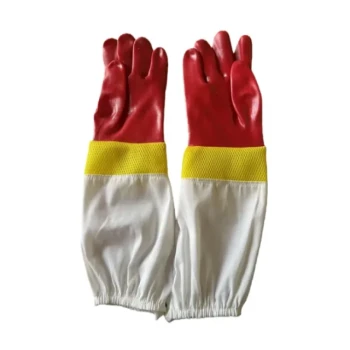
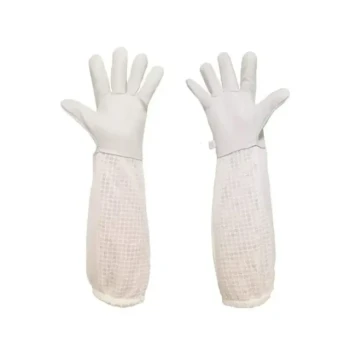
Full-body coverage is the mandatory standard for beekeepers managing swarms during the spring season. To ensure safety during this high-activity period, you must utilize a complete protective ensemble consisting of a full beekeeping suit, a helmet with a veil, and durable gloves.
Core Takeaway Managing honey bee swarms requires establishing a complete defensive perimeter around the operator. Relying on partial coverage is insufficient; a full suit, helmet, veil, and heavy-duty gloves are essential to neutralize the risk of stings during relocation or inspection.
The Essential Protective Ensemble
To manage the heightened risks associated with swarming bees, your gear must leave no skin exposed.
The Full Beekeeping Suit
A full-body suit is the foundation of your protection. It provides a comprehensive barrier against stings while you are handling large volumes of bees.
Head and Face Defense
You must wear a helmet equipped with a secure veil. This combination protects the most vulnerable areas—the head and neck—where stings can be most disorienting and dangerous.
Extremity Protection
Durable gloves are critical for hand safety. Because your hands are in direct contact with the swarm during collection or hive manipulation, high-quality gloves prevent stings from penetrating the fabric.
Active Defense Tools
While clothing offers passive protection, specific tools provide an active safety barrier by modifying bee behavior.
The Role of the Bee Smoker
High-efficiency bee smokers are vital for suppressing aggression. They generate cool smoke that interferes with the transmission of alarm pheromones.
Preventing Collective Attacks
By disrupting these pheromones, the smoker prevents the colony from organizing a collective attack. This allows you to perform migration, damage assessments, or maintenance with significantly reduced risk.
Strategic Management as Protection
Physical gear is your last line of defense; proactive management is your first. Reducing the impulse to swarm lowers the overall danger level.
Proactive Colony Inspections
Regularly monitor colony space and resources. Ensuring adequate hive ventilation and managing space helps control colony size and reduces the biological drive to swarm.
Re-queening Strategies
Replacing the queen bee in the spring is a highly effective preventive measure. A hive will not swarm without the queen's direction, and a newly introduced queen is less likely to initiate swarming while acclimating.
Utilizing Swarm Traps
For removal, professional beekeepers use swarm traps and specialized transport containers. These tools allow for the capture and relocation of bees to a controlled apiary without direct physical confrontation.
Understanding the Trade-offs
While protective equipment is necessary, relying on it blindly without proper technique can lead to issues.
Equipment vs. Environment
In scenarios involving extreme environmental stressors, such as noise or explosions, standard gear may not suffice. Industrial-grade personal protective equipment (PPE) is required for colonies exhibiting aggression triggered by these severe external factors.
Professional Boundaries
Possessing the right gear does not replace training. Individuals without professional experience should avoid approaching swarms entirely and hire specialists, as improper handling can agitate the swarm regardless of the equipment worn.
Making the Right Choice for Your Goal
To effectively manage spring swarms, align your equipment and strategy with your specific objective.
- If your primary focus is preventing swarms: Prioritize internal hive management by replacing the queen and implementing hive splits to reduce colony density.
- If your primary focus is removing an active swarm: Utilize swarm traps and specialized transport containers to relocate the bees safely to a controlled environment.
- If your primary focus is operator safety: Ensure you are wearing a full suit, helmet, veil, and durable gloves, supplemented by a bee smoker to mask alarm pheromones.
Proper equipment combined with proactive management transforms a hazardous swarm into a manageable apiary asset.
Summary Table:
| Equipment Category | Essential Item | Function & Importance |
|---|---|---|
| Passive Protection | Full Beekeeping Suit | Foundation barrier; leaves no skin exposed to stings. |
| Head & Neck | Helmet with Veil | Protects vulnerable facial areas and prevents disorientation. |
| Hand Protection | Durable Gloves | High-quality material to prevent penetration during handling. |
| Active Defense | High-Efficiency Smoker | Disrupts alarm pheromones to suppress colony aggression. |
| Capture Tools | Swarm Traps & Boxes | Facilitates safe relocation without direct physical contact. |
Elevate Your Apiary Safety with HONESTBEE
Managing spring swarms requires more than just skill—it requires industrial-grade reliability. HONESTBEE empowers commercial apiaries and distributors with a comprehensive wholesale range of beekeeping essentials. From full-body protective suits and high-efficiency smokers to advanced hive-making and honey-filling machinery, we provide the tools you need to scale your operations safely and efficiently.
Why partner with HONESTBEE?
- Wholesale Excellence: Competitive pricing on the full spectrum of beekeeping hardware.
- Comprehensive Inventory: One-stop shop for everything from consumables to cultural merchandise.
- Industry Expertise: Tailored solutions for large-scale distributors and professional beekeepers.
Ready to secure the best equipment for your business? Contact us today to explore our wholesale catalog!
Related Products
- Premium Cowboy Beekeeper Hat with Visibility Veil Outdoor Professional Beekeeping Protective Gear
- Beekeeping Jacket with Hood and Veil for Beekeepers
- White Cotton Beekeeping Jacket and Veil for Bee Keepers
- Beekeeping Gloves Goatskin Leather with Long Cotton Sleeve for Beekeepers
- Premium Cotton Beekeeper Suit with Reinforced Fencing Veil
People Also Ask
- What design features contribute to the stability and fit of the beekeeper hat? Key Features for Maximum Hive Safety
- How is the beekeeper hat designed for comfort and practicality? Explore Key Features for Enhanced Apiary Safety
- What is the general protective gear recommendation for new beekeepers? Your Essential Beginner's Safety Guide
- How does beekeeping protective gear facilitate the queen bee selection process? Enhancing Precision in Queen Breeding
- What should beekeepers consider when choosing protective gear? A Guide for Maximum Safety & Comfort