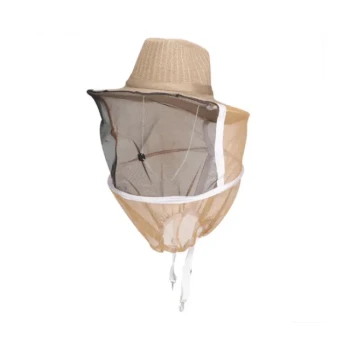
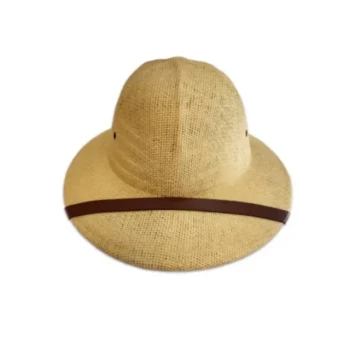
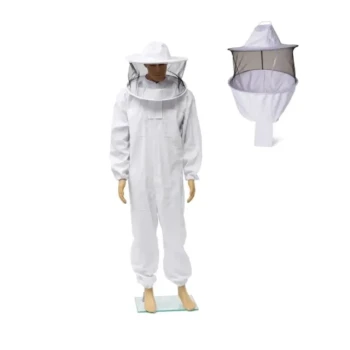
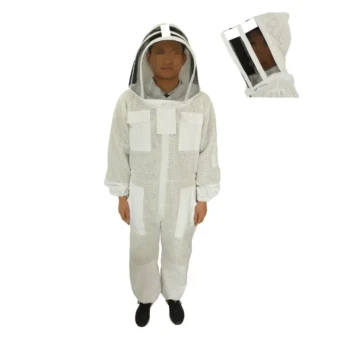
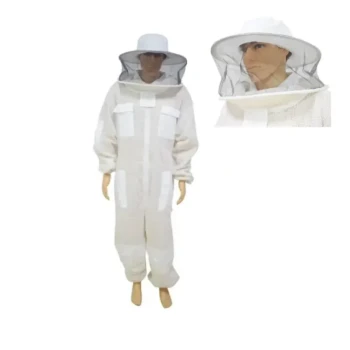
Beekeeping hats and veils serve as a critical primary defense system during apiary operations. They function by establishing a physical barrier that shields the beekeeper's head and face from stings, specifically allowing for safe interaction with defensive bees. Beyond simple injury prevention, this gear preserves the visual clarity required to perform delicate tasks like honey collection and colony relocation with precision.
Core Insight: The true value of this protective gear lies in its ability to decouple physical risk from operational execution. By securing the operator's most vulnerable areas while maintaining a clear line of sight, hats and veils allow beekeepers to focus entirely on the delicate mechanics of hive management rather than personal safety.
The Mechanics of Protection
Creating a Physical Isolation Barrier
The primary function of the hat and veil combination is to create a secure zone around the head. This acts as a physical shield, preventing direct contact between the operator and the colony.
Securing Vulnerable Areas
The head and face are the most sensitive areas for stings and often the primary target for defensive bees. Protecting these zones is a prerequisite for entering environments with a high density of bees.
Maintaining Operational Visibility
Unlike solid barriers, the mesh veil is designed to offer protection without sacrificing sight. A clear line of sight is essential for identifying queens, assessing comb health, and handling frames safely.
Operational Impact: Relocation and Collection
Facilitating High-Risk Maneuvers
Colony relocation, such as capturing wild swarms, is a high-stakes operation. The primary reference indicates that hats and veils are indispensable here, allowing operators to work precisely despite the chaotic nature of a swarm.
Ensuring Continuity During Harvest
Honey collection involves significant disturbance to the hive, often triggering defensive behavior. Protective gear ensures the beekeeper can continue the extraction process smoothly without interruption or panic.
Lowering Operational Anxiety
By mitigating the fear of injury, this equipment lowers the psychological barrier to working with bees. This allows for a transition from tentative, fearful movements to standardized, professional management practices.
Understanding the Trade-offs
Visibility vs. Protection Density
While the veil must provide a clear line of sight, the mesh density is a critical variable. A mesh tight enough to exclude all insects may slightly reduce airflow or visibility in low-light conditions.
The Necessity of Comprehensive Gear
A hat and veil protect only the head and neck. For complete isolation during intensive tasks like colony relocation, they must be paired with a full suit and gloves to eliminate all points of entry.
Making the Right Choice for Your Goal
To select the appropriate level of protection for your specific operations, consider the following key objectives:
- If your primary focus is Colony Relocation: Prioritize gear with a reinforced veil structure that will not collapse against the face during the physical exertion of capturing swarms.
- If your primary focus is Honey Collection: Ensure your veil offers maximum breathability and optical clarity to maintain precision during long periods of detailed work.
- If your primary focus is Training or Observation: Select equipment that emphasizes the "physical barrier" aspect to eliminate fear and ensure compliance with safety standards for non-professionals.
Reliable protective gear is not just about avoiding pain; it is the fundamental tool that turns a hazardous biological interaction into a managed agricultural process.
Summary Table:
| Feature | Primary Function | Operational Benefit |
|---|---|---|
| Physical Isolation | Barrier for head & neck | Prevents stings in highly sensitive areas |
| Mesh Visibility | Clear line of sight | Enables precision in queen & comb identification |
| Psychological Shield | Reduces fear of injury | Promotes calm, professional hive management |
| Reinforced Structure | Prevents veil collapse | Ensures safety during physical swarm captures |
| Breathability | Facilitates airflow | Maintains comfort during long honey harvests |
Elevate Your Apiary Operations with HONESTBEE
At HONESTBEE, we specialize in empowering commercial apiaries and distributors with premium-grade beekeeping solutions. Whether you are executing high-stakes colony relocations or managing a large-scale honey harvest, our comprehensive wholesale portfolio has you covered.
Our Value to Your Business:
- Full Spectrum Supply: From professional-grade protective gear and specialized hardware to advanced hive-making and honey-filling machinery.
- Industry Consumables: A reliable source for all essential beekeeping tools and honey-themed cultural merchandise.
- Scalable Wholesale Solutions: Tailored equipment packages designed to meet the rigorous demands of professional beekeepers.
Ready to enhance your efficiency and safety standards? Contact us today to discuss how our tools and machinery can drive your success.
References
- Judit Szűcs. Beekeeping in Csongrád. DOI: 10.1556/aethn.55.2010.1.10
This article is also based on technical information from HonestBee Knowledge Base .
Related Products
- Beekeeper Cowboy Hat and Veil for Beekeeping
- White Cotton Beekeeping Jacket and Veil for Bee Keepers
- High-Definition Beekeeper Hat with Round Veil Mesh for Beekeeping
- Premium Cowboy Beekeeper Hat with Visibility Veil Outdoor Professional Beekeeping Protective Gear
- Rigid Pith Style Beekeeper Hat for Square Folding Veils
People Also Ask
- What is the correct way to wash a beekeeping hat and veil? Safe Hand-Washing Guide to Protect Your Gear
- What are the components and importance of a beekeeper's hat and veil? Essential Safety Gear for Apiary Success
- What are the differences between a separated and an attached beekeeping hat and veil? Security vs. Versatility
- What are the design specifications for an effective beekeeping hat and veil? Professional Standards for Protection
- What is the function of a beekeeping hat and veil? Essential Protection for Safe Hive Management