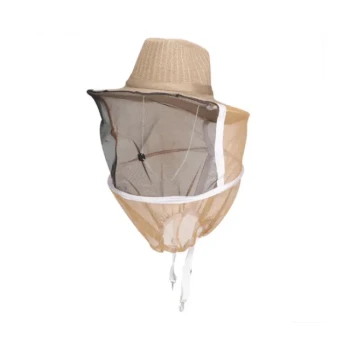
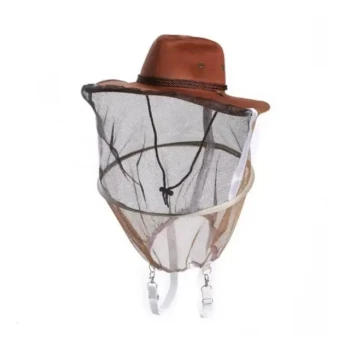
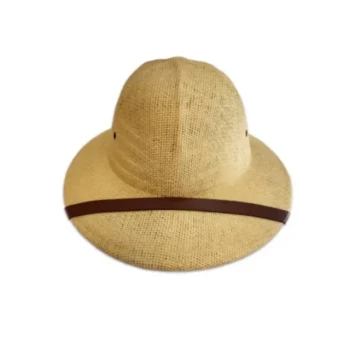
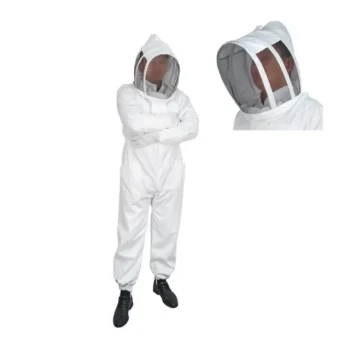
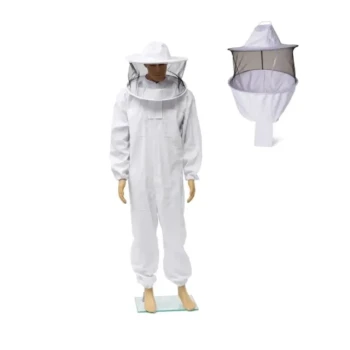
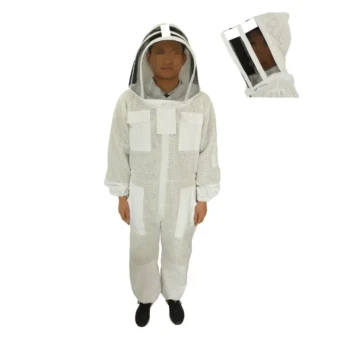
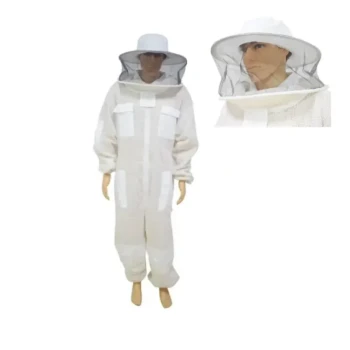
The primary function of a beekeeping hat and veil is to establish a critical defensive barrier for the head, face, and neck. This equipment utilizes a suspended mesh screen, often supported by a wide-brimmed hat, to physically block stinging insects from reaching sensitive skin. Despite this robust protection, the design prioritizes high-visibility materials to ensure the wearer maintains the clear sightlines and breathability required for detailed work.
While the hat and veil serve as a physical shield against stings, their deeper function is to facilitate operator calmness. By protecting the body's most vulnerable areas, this gear eliminates the fear of injury, allowing the beekeeper to move with the precision and gentleness necessary to keep the hive calm.
The Mechanics of Protection
The Physical Barrier
The core purpose of the hat and veil is to create a sealed perimeter around the head. The veil hangs past the shoulders, often attaching to a jacket or cinching tight to prevent bees from crawling underneath.
Structural Integrity
A wide-brimmed hat is frequently used as the support structure. This brim serves a vital function: it holds the mesh netting away from the face, ensuring that even if a bee lands on the veil, its stinger cannot reach the skin.
High-Visibility Mesh
The veil is constructed from breathable mesh material. This specialized fabric is dense enough to exclude insects but transparent enough to allow the beekeeper to identify eggs, larvae, and queens during inspections.
Operational Impact
Protecting Sensitive Zones
The head and neck contain the body’s most sensitive targets, including the eyes and mucous membranes. Because these areas are prone to severe reactions and are difficult to treat, the hat and veil are widely considered the most essential components of beekeeping protective gear.
Enabling Deliberate Movement
Bees react negatively to jerky, fearful movements. By providing a comprehensive safety barrier, the veil allows the operator to work with precision and calmness. This reduces stress responses in the colony, making the entire apiary operation more efficient and safe.
Critical Considerations and Limitations
The Trade-off of Visibility
While modern veils use high-visibility mesh, any physical barrier creates a slight visual obstruction. In low-light conditions, the mesh can make it harder to spot minute details, requiring the beekeeper to rely on adequate external lighting.
Proper Sealing is Mandatory
A veil is only as effective as its seal. If the mesh does not hang properly to the shoulders or is not securely fastened to the suit, the protective integrity is compromised, rendering the equipment useless against determined insects.
Making the Right Choice for Your Goal
The hat and veil are versatile tools, but how you use them depends on your specific environment.
- If your primary focus is Beekeeping: Prioritize a veil with a wide brim and a secure shoulder seal to ensure a "sting-free" zone that allows you to work calmly during hive inspections.
- If your primary focus is General Outdoor Protection: Look for lighter, detachable veil options that offer defense against mosquitoes and flies for activities like gardening, fishing, or camping without the bulk of a full suit.
The hat and veil are not just about preventing pain; they are the fundamental tools that allow humans to interact closely and safely with stinging insects.
Summary Table:
| Feature | Primary Function | Operational Benefit |
|---|---|---|
| Physical Barrier | Blocks stings to the head, face, and neck | Prevents injuries to highly sensitive areas |
| Wide-Brim Design | Maintains distance between mesh and skin | Eliminates stings through the fabric |
| High-Visibility Mesh | Provides clear sightlines and ventilation | Allows for detailed inspection of eggs and queens |
| Protective Seal | Prevents bees from crawling under the veil | Ensures a secure, sting-free work environment |
Elevate Your Apiary Operations with HONESTBEE
Maximize safety and efficiency in your beekeeping business with professional-grade protective gear. At HONESTBEE, we specialize in serving commercial apiaries and distributors with a complete range of wholesale beekeeping solutions.
From high-visibility hats and veils to advanced honey-filling machinery and specialized hive-making tools, our comprehensive portfolio is designed to meet the rigorous demands of large-scale operations. Partner with us to access premium beekeeping hardware, essential industry consumables, and unique honey-themed cultural merchandise.
Ready to scale your business with a trusted wholesale partner?
Contact HONESTBEE Today to explore our full product catalog and request a custom quote.
Related Products
- Beekeeper Cowboy Hat and Veil for Beekeeping
- High-Definition Beekeeper Hat with Round Veil Mesh for Beekeeping
- White Cotton Beekeeping Jacket and Veil for Bee Keepers
- Premium Cowboy Beekeeper Hat with Visibility Veil Outdoor Professional Beekeeping Protective Gear
- Rigid Pith Style Beekeeper Hat for Square Folding Veils
People Also Ask
- What is the correct way to wash a beekeeping hat and veil? Safe Hand-Washing Guide to Protect Your Gear
- What are the components and importance of a beekeeper's hat and veil? Essential Safety Gear for Apiary Success
- What are the differences between a separated and an attached beekeeping hat and veil? Security vs. Versatility
- What are the design specifications for an effective beekeeping hat and veil? Professional Standards for Protection
- What are the key features of a beekeeping hat and veil? Choose the Right Protection for Your Apiary