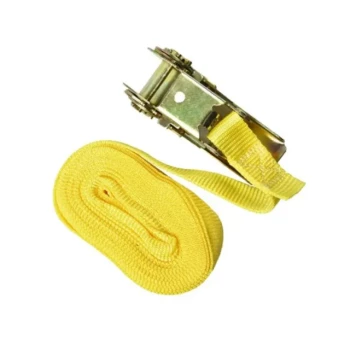
Physical isolation is the primary defense against large predators. Hanging ropes and reinforced hive stands function by breaking the physical path between a predator and the colony. By elevating hives to unreachable heights or utilizing anti-climbing geometry, these tools make access mechanically impossible or energetically prohibitive for large animals, safeguarding both the bees and the hardware.
By relying on passive structural security rather than active defense, these tools transform the apiary from an accessible target into a secure fortress, preserving your investment against brute-force attacks.
Mechanisms of Physical Isolation
Utilizing Vertical Distance
High-strength hanging ropes operate on the principle of total separation. They lift the hive entirely out of the predation zone, suspending it at a height where ground-based predators cannot reach.
This forces the predator to abandon the attack, as the energy required to access the hive outweighs the potential reward.
Creating Mechanical Barriers
Reinforced metal stands provide a robust alternative to wooden supports, which can be easily clawed, crushed, or toppled by large animals.
These stands often feature anti-climbing designs. These specific geometries remove the leverage points and grip surfaces that animals need to pull themselves up to the hive level.
Asset Protection and Secondary Benefits
Preventing Hardware Destruction
The damage caused by large predators extends beyond the loss of the bee colony; they often destroy the hive boxes and frames in their attempt to reach the brood.
By preventing the animal from ever touching the hive, hanging systems and metal stands ensure the long-term security of your beekeeping investments.
Incidental Defense Against Ground Pests
While the primary goal is stopping large predators, elevating the hive creates a gap that hinders smaller intruders as well.
Lifting the hive cuts off the direct physical path for rodents, ants, and termites. This separation helps maintain a drier environment, reducing humidity-related fungal diseases like chalkbrood.
Understanding the Trade-offs
Installation and Infrastructure
Hanging systems require significant infrastructure, such as mature trees or constructed gantries capable of bearing heavy loads.
This requirement restricts where you can locate your apiary, potentially forcing you to choose a location based on structural support rather than optimal forage.
Operational Accessibility
While standard stands are designed to improve ergonomics and reduce back pain, high-hanging systems can complicate hive management.
If a hive is suspended too high for protection, it becomes difficult for the beekeeper to inspect or harvest without lowering the system, adding time and complexity to routine tasks.
Making the Right Choice for Your Goal
To select the right protective hardware, assess the specific predator pressure in your region against your management style.
- If your primary focus is total isolation from large predators: Prioritize high-strength hanging ropes to completely remove the hive from the ground-level ecosystem.
- If your primary focus is balancing security with daily management: Choose reinforced metal stands with anti-climb guards to deter predators while maintaining a stable, accessible working height.
Effective defense relies on making the cost of entry higher than the reward, ensuring your apiary remains secure season after season.
Summary Table:
| Protection Method | Primary Mechanism | Key Benefit |
|---|---|---|
| Hanging Ropes | Vertical Isolation | Renders hives unreachable to ground-based predators |
| Reinforced Metal Stands | Mechanical Barrier | Prevents toppling and provides anti-climbing surfaces |
| Structural Defense | Physical Separation | Protects hive boxes/frames from brute-force destruction |
| Secondary Defense | Elevation Gap | Deters rodents, ants, and reduces fungal humidity issues |
Secure Your Apiary Investment with HONESTBEE
Protecting your colonies from predators is vital for a profitable commercial operation. At HONESTBEE, we cater specifically to commercial apiaries and distributors with a comprehensive wholesale offering. From reinforced hive stands and heavy-duty hardware to specialized honey-filling machines and industry consumables, we provide the professional-grade tools you need to build a resilient and efficient business.
Why Partner with HONESTBEE?
- Durable Equipment: High-grade materials designed to withstand large-scale operational stress.
- Full Portfolio: A one-stop shop for everything from hive-making machinery to honey-themed cultural merchandise.
- Global Supply: Reliable wholesale solutions tailored for distributors and large-scale beekeeping enterprises.
Contact HONESTBEE Today to upgrade your apiary infrastructure and safeguard your long-term assets!
References
- Kedir Adem. Assessment of Beekeeping Practice and Its Constraints in Cheha Woreda of Gurage Zone. DOI: 10.11648/j.ijast.20240803.12
This article is also based on technical information from HonestBee Knowledge Base .
Related Products
- Metal Hive Feet Bee Hive Stand for Ant Protection
- Professional Ant-Proof Beehive Stand with Integrated Moat for Beekeeping
- Metal Bee Hive Stand Bee Box Stand for Beekeeping
- Plastic Bee Hive Stand for Beekeeping
- Heavy-Duty T-Style Frame Perch
People Also Ask
- What are the benefits of elevating a bee hive with a stand or base? Protect Your Colony and Your Back
- How does a beehive stand protect against predators and pests? Essential Strategies for Colony Security
- How should the height of a beehive stand be determined? Find Your Ergonomic Sweet Spot
- What to stand a beehive on? The Best Foundation for a Healthy, Manageable Apiary
- How do beehive stands and ground installation methods affect beekeeping productivity in extreme climates? Maximize Yields