Safely managing honey bee colonies requires a multi-layered approach involving both physical armor and behavioral management tools. To ensure your safety and the stability of the hive, you must utilize a veil for head and face protection, specialized beekeeping gloves, and a high-efficiency bee smoker.
The Core Insight Protective gear serves a dual purpose: it prevents injury to the beekeeper and protects the colony from accidental damage caused by human reaction. Effective safety relies on a combination of physical barriers (veils and gloves) to stop stings and chemical management (cool smoke) to suppress the bees' defensive instincts before they escalate.
Establishing Physical Barriers
Head and Face Protection
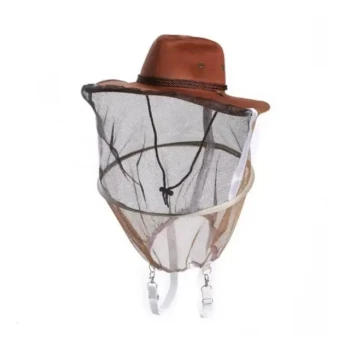
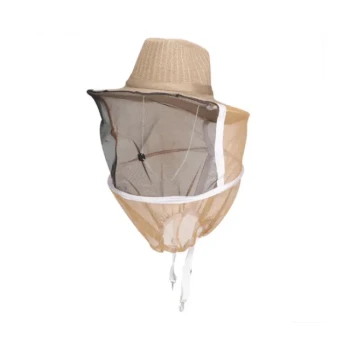
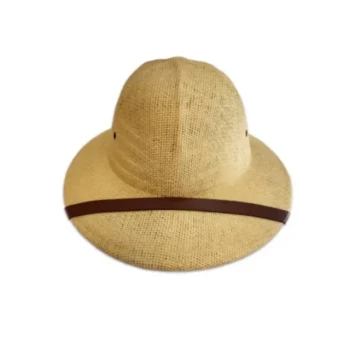
The most fundamental piece of safety equipment is the veil. The primary reference dictates that a veil must be worn to cover the head and face completely.
Protecting this area is non-negotiable, as stings to the face are not only painful but can be dangerous.
Specialized Hand Protection
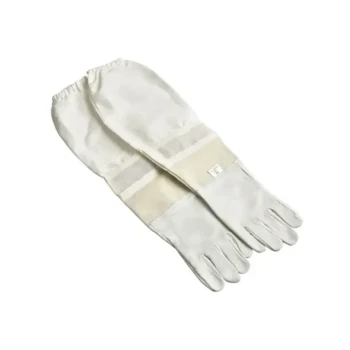
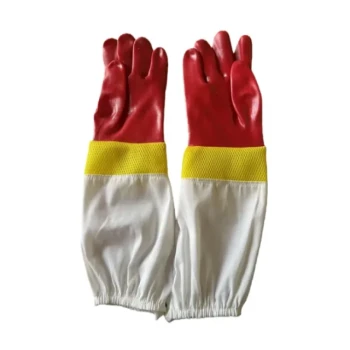
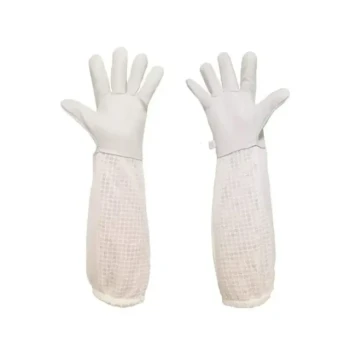
You must wear specialized beekeeping gloves. While some may argue for bare-handed dexterity, the primary reference notes that gloves are vital to prevent stings on the hands.
Stings on the hands are a specific liability because the sudden pain can cause a beekeeper to involuntarily drop hive frames. This not only damages the comb and harms the bees but can also trigger a massive defensive reaction from the colony.
Full-Body Coverage
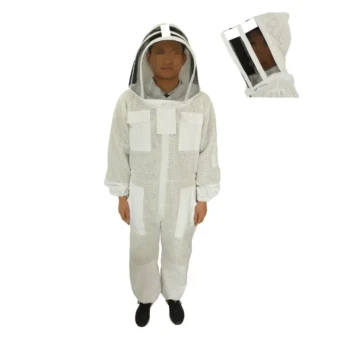
For comprehensive protection, particularly when dealing with defensive species, full-coverage bee suits are recommended.
Supplementary data indicates that professional PPE creates a critical barrier against the aggressive behavior and long-distance pursuit tactics seen in defensive populations (such as Africanized bees). This gear is often a prerequisite for sustainable apiary operations in these regions.
The Smoker as a Safety Device
Disrupting Communication
While not worn on the body, the bee smoker is an essential piece of "protective" equipment.
It functions by generating cool smoke that interferes with the transmission of alarm pheromones. By masking these chemical signals, the smoker prevents the colony from organizing a collective attack.
Inducing Docility
Beyond masking alarms, the smoke triggers a feeding instinct in the bees. This sedation effect causes the colony to become calm and docile.
Applying thorough smoke before intervention is a safety prerequisite. It significantly weakens the defensive response, allowing for safe manual operations like hive migration, honey harvesting, or damage assessment.
Understanding the Trade-offs
The Necessity of "Cool" Smoke
It is critical to generate cool smoke rather than hot smoke.
Supplementary technical data emphasizes that cool smoke is required to effectively mask pheromones without harming the bees. Improper smoking techniques can fail to suppress aggression or potentially damage the colony.
Environmental Context Matters
The level of protection required often depends on environmental stressors.
Factors such as loud noises or vibrations can increase colony aggression. In these scenarios, standard gear may not be enough, and the combination of industrial-grade PPE and heavy smoking becomes essential to maintain a safety barrier.
Making the Right Choice for Your Goal
Select your gear based on the temperament of your bees and the complexity of the task.
- If your primary focus is general hive maintenance: Ensure you have a high-quality veil and specialized gloves to prevent sting-induced accidents like dropping frames.
- If your primary focus is managing defensive or Africanized colonies: You must utilize a full-coverage bee suit and apply smoke thoroughly to mask alarm pheromones before opening the hive.
- If your primary focus is delicate operations (like harvesting): Prioritize the use of a smoker to induce the feeding instinct, ensuring the bees are sedated and less prone to stinging.
True safety in the apiary is achieved when you control the bees' behavior with smoke as effectively as you protect your own body with gear.
Summary Table:
| Equipment | Primary Function | Key Benefit |
|---|---|---|
| Beekeeping Veil | Protects head and face | Prevents dangerous stings to sensitive facial areas. |
| Specialized Gloves | Protects hands | Prevents accidental frame dropping and colony disruption. |
| Bee Smoker | Masks alarm pheromones | Calm bees and induces docility through cool smoke. |
| Full-Body Suit | Comprehensive armor | Provides a critical barrier for defensive or Africanized colonies. |
| Cool Smoke | Behavioral control | Disrupts communication without harming the bees. |
Elevate Your Apiary Safety with HONESTBEE
At HONESTBEE, we understand that high-quality protection is the foundation of successful beekeeping. Whether you are a commercial apiary or a distributor, we provide a comprehensive wholesale range of professional-grade beekeeping tools and machinery. From durable protective suits and specialized hardware to advanced honey-filling machines, our portfolio is designed to enhance efficiency and safety in your operations.
Ready to scale your business with the industry's most reliable equipment?
Contact us today to explore our wholesale offerings and discover how our expertise can support your growth in the beekeeping market.
Related Products
- Premium Cowboy Beekeeper Hat with Visibility Veil Outdoor Professional Beekeeping Protective Gear
- Premium Cotton Beekeeper Suit with Reinforced Fencing Veil
- Beekeeper Cowboy Hat and Veil for Beekeeping
- Beekeeping Jacket with Hood and Veil for Beekeepers
- White Cotton Beekeeping Jacket and Veil for Bee Keepers
People Also Ask
- What design features contribute to the stability and fit of the beekeeper hat? Key Features for Maximum Hive Safety
- How is the beekeeper hat designed for comfort and practicality? Explore Key Features for Enhanced Apiary Safety
- What is the general protective gear recommendation for new beekeepers? Your Essential Beginner's Safety Guide
- How does beekeeping protective gear facilitate the queen bee selection process? Enhancing Precision in Queen Breeding
- What should beekeepers consider when choosing protective gear? A Guide for Maximum Safety & Comfort