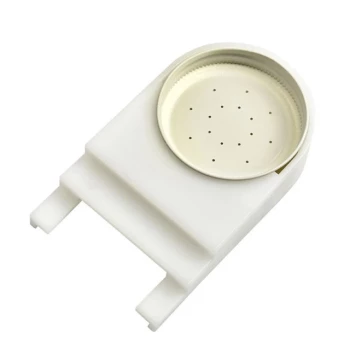
Artificial feeders serve as critical intervention mechanisms for stabilizing honeybee colonies during periods of resource scarcity. They function by delivering essential energy compensation, typically through syrup, and protein supplements like artificial pollen, which are necessary to prevent the physiological degradation that occurs when natural forage is unavailable.
By bridging the gap during nectar shortages and post-harvest periods, artificial feeders do more than supply calories; they actively prevent larval cannibalism and immune system collapse, ensuring the colony maintains the resilience required to withstand environmental stressors.
Stabilizing Colony Physiology
Preventing Brood Loss
When nutritional resources drop below critical levels, colonies often resort to survival mechanisms that damage long-term growth.
One of the most severe consequences of food scarcity is larval cannibalism. Artificial feeders provide the protein and energy required to sustain the brood, preventing the colony from consuming its own young to survive.
Maintaining Worker Immunity
Adequate nutrition is the foundation of a honeybee’s immune defense.
Scarcity leads to a rapid decline in worker bee immunity, making the hive susceptible to disease. By providing high-quality substitutes, feeders ensure the workforce remains physiologically robust enough to resist pathogens.
Enhancing Environmental Resilience
Combatting Multiple Stressors
Honeybees rarely face nutritional stress in isolation; it often coincides with other environmental pressures.
Feeders enhance the colony's physiological resilience, allowing them to better cope with compounded stressors. This includes physical challenges like cold snaps, which increase energy demands for thermoregulation.
Mitigating Pesticide Impact
A well-fed colony is better equipped to detoxify and handle chemical exposure.
The primary reference notes that high-quality nutritional intervention can improve the colony's ability to withstand pesticide exposure. This suggests that nutritional status acts as a buffer against chemical toxicity.
Strategic Intervention Timing
Managing Post-Harvest Deficits
Harvesting honey removes the colony's primary energy reserve.
Artificial feeders are essential immediately following a harvest to replenish these stores. This direct intervention rebalances the colony's nutrition before deficits can impact population health.
Addressing Nectar Shortages
Natural forage availability fluctuates throughout the season.
During periods of nectar shortage (dearth), feeders substitute missing natural resources. This continuity prevents the "stop-start" cycle of brood rearing that can weaken a colony over time.
Understanding the Trade-offs
The Requirement for High Quality
Not all artificial food sources yield the same results.
The effectiveness of this intervention relies heavily on the use of high-quality nutritional substitutes. Using inferior supplements may fail to provide the specific physiological benefits, such as improved immunity, required to combat stress.
Dependency on Active Management
Artificial feeding is a manual, direct intervention.
It requires the beekeeper to accurately identify periods of shortage or stress. Failure to intervene at the correct moment can allow larval cannibalism to begin before resources are provided.
Strategies for Effective Nutritional Management
To maximize colony health, align your feeding strategy with specific environmental conditions:
- If your primary focus is immediate survival during a dearth: Deploy feeders with both syrup and artificial pollen to directly prevent larval cannibalism and preserve the current brood.
- If your primary focus is long-term resilience: maintain high-quality nutritional inputs during cold snaps or known pesticide application windows to keep worker immunity at peak levels.
Artificial feeding is not just a substitute for flowers; it is a vital tool for fortifying the biological defenses of the hive.
Summary Table:
| Feature | Impact on Colony Health | Management Goal |
|---|---|---|
| Energy/Protein Supply | Prevents larval cannibalism and brood loss | Resource stabilization during dearth |
| Immune Support | Maintains worker physiology and pathogen resistance | Reducing susceptibility to disease |
| Environmental Buffer | Enhances resilience against cold and pesticides | Compensating for external stressors |
| Post-Harvest Recovery | Replenishes vital reserves after honey removal | Maintaining population momentum |
Scale Your Success with HONESTBEE Wholesale Solutions
Effective nutritional management requires the right tools to ensure long-term colony productivity. HONESTBEE caters to commercial apiaries and distributors with a comprehensive wholesale offering designed for growth and resilience. We supply the full spectrum of beekeeping tools, machinery, and equipment, including specialized hardware like hive-making machines and honey-filling machines, alongside essential industry consumables.
Maximize your apiary's potential with industry-leading equipment. Contact us today to learn how our hardware and merchandise solutions can streamline your operations and provide unmatched value to your business.
References
- Marco Pietropaoli, Giovanni Formato. BPRACTICES Project: Towards a Sustainable European Beekeeping. DOI: 10.1080/0005772x.2020.1757220
This article is also based on technical information from HonestBee Knowledge Base .
Related Products
- HONESTBEE Entrance Bee Feeder Efficient Hive Front Liquid Feeding Solution for Beekeeping
- Professional Hive Top Bee Feeder for Beekeeping
- Rapid Bee Feeder White Plastic 2L Round Top Feeder for 8 or 10-Frame Bee Hives
- HONESTBEE Square Top Hive Bee Feeder Top Bee Feeder
- 3.5L Plastic Beehive Frame Feeder Deep Frame Water Feeder for In Hive Use
People Also Ask
- What types of bee feeders are available for beginners? Start with the Simple Entrance Feeder
- What are the advantages and disadvantages of using an entrance feeder for bees? Balance Convenience and Hive Security.
- What is a bee entrance feeder and what are its drawbacks? Essential Guide to Hive Security and Feeding Efficiency
- How does a bee entrance feeder work? A Simple Guide to Convenient Hive Feeding
- How to make an entrance feeder for bees? A DIY Guide for Safe & Effective Feeding