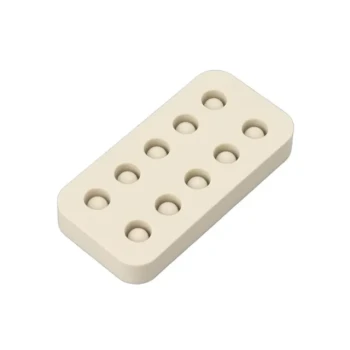
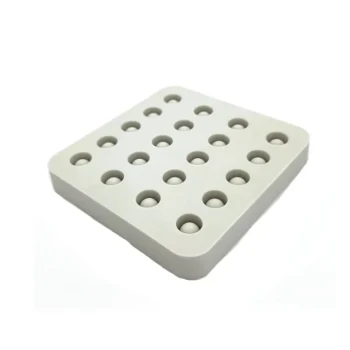
Artificial queen cups and grafting needles serve as the fundamental instruments for controlled queen rearing in Apis cerana beekeeping. These tools enable the precise transfer of larvae from worker cells to specialized cups, artificially inducing the colony to raise new queens. This process allows beekeepers to move beyond passive colony management to active genetic optimization.
Core Insight Reliance on natural swarming for new queens is unpredictable and risks losing valuable traits. By utilizing artificial cups and grafting needles, you gain the ability to replicate superior genetics at scale, directly addressing the high absconding rates and yield inconsistencies common in Apis cerana colonies.
The Mechanics of Artificial Propagation
Precision Larval Transfer
The flexible grafting needle is designed to solve a specific physical challenge: moving a fragile larva without injury. It allows the beekeeper to lift a larva of a specific age from a worker cell and deposit it into a queen cup. This tool ensures the larva is not physically damaged during transplantation, which is critical for survival.
Simulating the Royal Environment
Artificial queen cups act as a surrogate for the natural queen cells a colony would build during swarming. By simulating the natural growth environment, these cups ensure the transplanted larvae receive the "royal" treatment immediately. This prompts nurse bees to provide the adequate nutrition and protection required for queen development.
Strategic Impact on Apis cerana Management
Improving Genetic Traits
The primary goal of using these tools is the large-scale replication of superior maternal genetics. Beekeepers can select larvae from their best-performing colonies to breed queens with desirable traits. Common targets for improvement include higher docility, disease resistance, and better productivity.
Reducing Absconding Rates
Apis cerana is notorious for its tendency to abscond (abandon the hive). By rearing queens from stock selected for stability, beekeepers can systematically reduce this behavior. Replacing older queens with vigorous, genetically selected new queens helps maintain the production vitality of the apiary.
Increasing Honey Yields
The systematic replacement of queens leads to stronger, more populous colonies. A large, healthy population is the primary driver of increased honey yields. These tools provide the physical means to maintain these large populations through consistent queen renewal.
Understanding the Trade-offs
The Skill Barrier
Grafting is not a passive activity; it requires a high degree of manual dexterity and visual acuity. Apis cerana larvae are extremely fragile; improper handling with the needle will result in high mortality rates and grafting failure. Operators must be trained to perform these delicate operations without causing stress-induced disturbances to the colony.
Strict Timing Requirements
These tools are only effective if used within a very narrow biological window. The larvae selected for grafting must be of a specific age to successfully develop into queens. Transferring larvae that are too old or too young will result in intercastes or rejection by the colony.
Making the Right Choice for Your Goal
To maximize the value of these tools, align their usage with your specific apiary objectives:
- If your primary focus is stabilizing a flighty apiary: Use these tools to propagate queens exclusively from colonies that have shown zero tendency to abscond over the last season.
- If your primary focus is commercial production: Utilize large batches of artificial cups to synchronize queen emergence, allowing for systematic requeening schedules.
- If your primary focus is genetic purity: Use precision grafting to isolate larvae from your single best breeder queen to ensure uniform traits across all hives.
Mastering these consumables transforms you from a keeper of bees into an active manager of genetic potential.
Summary Table:
| Tool | Primary Function | Management Impact |
|---|---|---|
| Grafting Needle | Delicate transfer of larvae to cups | Reduces larval mortality; ensures genetic selection |
| Artificial Queen Cup | Simulates natural queen cell environment | Induces royal feeding; enables large-scale rearing |
| Selection Process | Choosing larvae from superior stock | Improves docility and reduces absconding rates |
| Systematic Requeening | Scheduled replacement of old queens | Maintains colony vigor and boosts honey production |
Elevate Your Apiary's Genetic Potential with HONESTBEE
Transition from passive beekeeping to active genetic management with professional-grade tools. HONESTBEE provides commercial apiaries and distributors with the high-precision grafting needles and specialized queen cups necessary to stabilize Apis cerana colonies and maximize productivity.
As your comprehensive wholesale partner, we supply everything from essential consumables to advanced honey-filling and hive-making machinery. Whether you are expanding a commercial operation or stocking a distribution network, our expertise ensures you have the tools to succeed.
Contact HONESTBEE today to optimize your queen rearing and secure the future of your hives!
References
- Cooper Schouten, Heather Lloyd. Beekeeping With the Asian Honey Bee (<i>Apis cerana javana</i>Fabr) in the Indonesian Islands of Java, Bali, Nusa Penida, and Sumbawa. DOI: 10.1080/0005772x.2018.1564497
This article is also based on technical information from HonestBee Knowledge Base .
Related Products
- Clear Black Plain Polystyrene Queen Bee Grafting Cell Cups No Lug for Bee Queen Cup
- Black 2 Pack Beekeeper Queen Grafting Tool for Bee Queen Larva Transferring Needle
- Retractable Chinese Queen Rearing Grafting Tools Equipment
- 10-Cell Silicone Beeswax Bee Queen Cups Forming Mold
- Stainless Steel Queen Grafting Tool for Beekeeping and Bee Queen Grafting
People Also Ask
- What materials are used to make artificial queen cell cups for grafting? Beeswax vs. Plastic Guide
- What role do specialized queen rearing tools play in developing mite-resistant honeybee stock? Master Genetic Selection
- What roles do specialized queen cell cups play in royal jelly production? Optimize Your Hive's Secretion and Yield
- What types of cell cups are commonly used in grafting? Plastic vs. Wax for Queen Rearing Success
- Why is a diluted royal jelly solution applied to queen cell cups? Boost Acceptance in Artificial Grafting