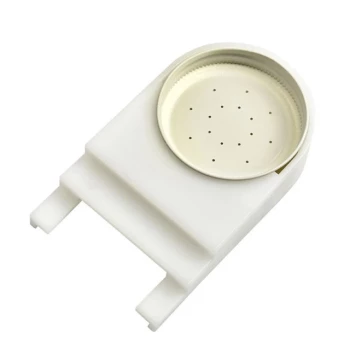
Dolittle feeders serve as specialized internal reservoirs designed to replace a standard frame within the beehive's brood chamber. By positioning carbohydrate-based feed directly adjacent to the bee cluster, they provide a secure energy source during nectar scarcity or inclement weather without forcing the colony to brave the elements.
Core Takeaway Dolittle feeders prioritize colony security and accessibility over convenience, offering a protected internal method to administer energy and sensitive additives while minimizing the risks of honey robbing and cold stress.
Structural Integration and Function
Internal Frame Replacement
The defining characteristic of a Dolittle feeder is its form factor. It is designed to mimic the dimensions of a standard hive frame.
Beekeepers install these feeders by removing an existing frame, typically at the edge of the brood chamber, and inserting the feeder in its place.
Direct Access for the Cluster
By occupying a slot within the brood chamber, the feeder places food sources in immediate proximity to the colony's population.
This allows the bees to access syrup or supplements without breaking their cluster formation, which is critical for maintaining hive temperature.
Strategic Advantages in Colony Management
Prevention of Robbing Behavior
External feeding methods can attract wasps or robber bees from other colonies by releasing the scent of syrup into the open air.
Dolittle feeders mitigate this risk by keeping the food source entirely inside the hive. This internal placement makes it difficult for intruders to detect or access the supply.
Weather Resilience
During extreme weather or cold snaps, bees may be unable to move to the hive entrance or upper supers to feed.
Because the Dolittle feeder is integrated into the brood nest, the colony can continue to feed safely during adverse conditions without exposing themselves to the external environment.
Delivery of Sensitive Additives
These feeders are particularly effective for the in vivo administration of specific additives, such as probiotics.
The internal environment protects these additives from environmental factors that might degrade them. This ensures precise delivery and efficient absorption by worker bees and larvae.
Operational Considerations and Trade-offs
Requirement for Hive Disturbance
The primary downside of the Dolittle feeder is the method of replenishment.
Unlike entrance-style Boardman feeders, which can be refilled from the outside, a Dolittle feeder requires the beekeeper to open the hive to add more syrup. This disturbs the colony and releases hive heat, which can be counterproductive in very cold weather.
Space Allocation
Using a Dolittle feeder requires the sacrifice of productive comb space.
By replacing a frame, you temporarily reduce the area available for the queen to lay eggs or for the colony to store natural honey.
Making the Right Choice for Your Goal
To select the appropriate feeding strategy, you must weigh the need for protection against the need for convenience.
- If your primary focus is colony security and cold-weather feeding: Choose the Dolittle feeder to prevent robbing and ensure bees can eat without breaking the winter cluster.
- If your primary focus is minimizing disturbance and ease of monitoring: Consider entrance-style feeders (like Boardman feeders), which allow for rapid replenishment without opening the hive.
- If your primary focus is precise medication or probiotic delivery: Utilize the Dolittle feeder to protect the additives from environmental degradation and ensure efficient absorption.
Success in energy supplementation relies on matching the feeder type to the specific environmental pressures your colony faces.
Summary Table:
| Feature | Dolittle Feeder (Internal) | External/Entrance Feeders |
|---|---|---|
| Placement | Replaces a frame in the brood chamber | Mounted at hive entrance or top |
| Robbing Risk | Low (Internal scent protection) | High (Attracts outside pests) |
| Weather Resistance | Excellent (Accessible during cold) | Poor (Requires cluster to move) |
| Colony Disturbance | High (Must open hive to refill) | Low (Refill without opening) |
| Best Use Case | Winter feeding & probiotic delivery | Rapid spring stimulation |
Maximize Your Colony Success with HONESTBEE Professional Equipment
Ensure your apiary thrives in any season with high-quality equipment designed for precision management. HONESTBEE specializes in serving commercial apiaries and distributors with a robust selection of beekeeping tools, essential consumables, and heavy-duty machinery—from specialized hive-making equipment to honey-filling systems.
Whether you are looking to secure your colony's energy needs or scale your distribution business, we provide the wholesale solutions and industry expertise you need to succeed. Contact HONESTBEE today to discuss our full spectrum of hardware and honey-themed merchandise and discover how our supplies can optimize your operations.
References
- Verónica R. Olate-Olave, Marnix Doorn. Bee Health and Productivity in Apis mellifera, a Consequence of Multiple Factors. DOI: 10.3390/vetsci8050076
This article is also based on technical information from HonestBee Knowledge Base .
Related Products
- Rapid Bee Feeder White Plastic 2L Round Top Feeder for 8 or 10-Frame Bee Hives
- 3.5L Plastic Beehive Frame Feeder Deep Frame Water Feeder for In Hive Use
- In-Hive Dual Compartment Frame Bee Feeder for Targeted Colony Nutrition
- White Plastic 0.5L Beekeeping Entrance Feeder for Bees
- Professional Hive Top Bee Feeder for Beekeeping
People Also Ask
- What should be done with feeders and equipment after feeding bees? Essential Steps for Apiary Health
- What should be done if feed in a feeder is not consumed by the bees? Prevent Hive Mold with Prompt Feed Management
- What is the necessity of specialized internal or entrance feeders? Secure Your Hive with Professional Feeding Tools
- How do bee feeders work to preserve colony health during nectar shortages? Essential Guide for Beekeepers
- How quickly does a medium to strong colony usually empty a feeder? A Beekeeper's Guide to Hive Health