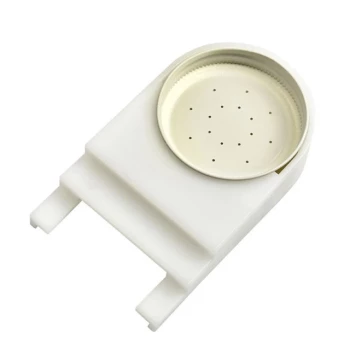
Specialized feeders are critical management tools that bridge the gap between natural resource availability and the biological needs of a bee colony. They allow for the precise, safe provision of supplementary syrup or protein when natural nectar flows are scarce, ensuring that bees can maintain strength and build necessary winter reserves without the risk of drowning associated with open containers.
By simulating natural nectar intake, these feeders do more than prevent starvation; they strategically stimulate the queen to accelerate egg-laying for population growth and allow for the rapid accumulation of food stores essential for overwinter survival.
Driving Colony Growth and Cultivation
Stimulating Population Explosions
The primary biological trigger for a queen bee to lay eggs is the influx of resources. Specialized feeders simulate a natural nectar flow, signaling the colony that resources are abundant.
This artificial stimulation prompts the queen to accelerate egg-laying before the main flowering season begins. The result is a timely establishment of a large, robust population of foraging worker bees ready to maximize the harvest when natural blooms occur.
Supporting Vulnerable Micro-Colonies
During the cultivation of new or small colonies, such as dual-nucleus setups, stability is fragile. Internal feeders provide a consistent energy supply to these developing micro-colonies.
Because these feeders are often enclosed, they allow for nutrition to be delivered without opening the hive. This minimizes temperature fluctuations and disturbance, ensuring these selection-grade colonies reach optimal development without stress.
Ensuring Survival Through Winter
Building Critical Reserves Quickly
Once the commercial honey harvest is complete, a colony may be left with insufficient stores to survive the cold months. Specialized feeders facilitate the rapid uptake of large volumes of syrup.
This bulk feeding capability allows the colony to quickly build up sufficient food reserves before the cold sets in. This effectively prevents abnormal losses due to starvation during the critical winter and early spring periods.
Manipulating Brood Rearing Timing
The speed at which you feed impacts colony biology. Slower feeding in the autumn can be advantageous for less prolific strains.
By restricting the flow rate, the feeder encourages the colony to continue raising brood for a longer duration. This results in a higher population of "winter bees"—physiologically distinct bees built for longevity—provided there is also an adequate supply of pollen.
Operational Safety and Efficiency
Preventing Bee Mortality
A major design advantage of specialized feeders is the prevention of drowning. The structure is engineered to allow access to liquid without trapping the bees.
Makeshift feeding solutions often result in significant worker loss due to bees falling into the syrup. Specialized designs eliminate this waste of colony resources.
Preventing Robbing Behavior
Feeding sugar syrup can trigger "robbing," where stronger hives attack weaker ones to steal food. Enclosed, internal feeders mitigate this risk significantly.
Because the syrup is contained within the hive and not exposed to the outside, it does not attract scout bees from neighboring colonies. This is particularly vital when feeding weaker colonies or during a nectar dearth when robbing pressure is high.
Understanding the Trade-offs
Feeding Speed vs. Brood Space
There is a delicate balance between filling stores and maintaining population. Rapid bulk feeding can fill the comb so quickly that the queen has no room to lay eggs.
While this ensures plenty of food for winter, it may result in a smaller cluster of bees if done too early. Conversely, slow feeding extends brood rearing but requires the beekeeper to monitor pollen stores, as brood cannot be raised on syrup alone.
Resource Dependency
Feeders are only half the equation. Stimulation feeding relies heavily on the availability of pollen.
If you use a feeder to stimulate brood rearing but natural pollen is absent (and you do not provide a protein supplement), the colony will struggle to raise healthy larvae. The feeder drives the energy, but protein drives the growth.
Making the Right Choice for Your Goal
To maximize the effectiveness of specialized feeders, align your usage with your specific colony management objectives:
- If your primary focus is rapid population growth: Use the feeder to simulate a steady nectar flow early in the season to trigger maximum egg-laying.
- If your primary focus is winter survival: Utilize high-volume feeders immediately after harvest to ensure heavy food stores are capped before the cold arrives.
- If your primary focus is protecting weak colonies: Choose internal, enclosed feeders to prevent robbing and minimize hive disturbances.
Success in beekeeping lies not just in feeding the bees, but in using feeders to dictate the pace of colony development.
Summary Table:
| Feature/Goal | Benefit of Specialized Feeders | Impact on Colony |
|---|---|---|
| Population Growth | Simulates natural nectar flow | Triggers queen egg-laying & rapid brood expansion |
| Wintering Success | Facilitates rapid bulk feeding | Builds essential food reserves to prevent starvation |
| Safety & Mortality | Anti-drowning designs/floats | Reduces worker bee loss during feeding cycles |
| Hive Security | Enclosed/Internal feeding | Prevents robbing behavior from neighboring colonies |
| Micro-Colony Care | Minimal hive disturbance | Maintains temperature stability for vulnerable nuclei |
Scale Your Apiary Operations with HONESTBEE
Maximize your colony productivity and overwintering success with professional-grade feeding solutions. At HONESTBEE, we specialize in supporting commercial apiaries and distributors with a comprehensive wholesale portfolio. From specialized feeders and beekeeping tools to advanced honey-filling machinery and hive-making equipment, we provide everything you need to manage thousands of colonies efficiently.
Ready to upgrade your equipment? Contact us today to discuss how our bulk supply and industry expertise can streamline your honey production and boost your business growth.
References
- Zaky Nassar. An Economic Study of the Productive Capacities of Bee Honey in Matrouh Governorate. DOI: 10.21608/assjm.2022.310416
This article is also based on technical information from HonestBee Knowledge Base .
Related Products
- Rapid Bee Feeder White Plastic 2L Round Top Feeder for 8 or 10-Frame Bee Hives
- White Plastic 0.5L Beekeeping Entrance Feeder for Bees
- HONESTBEE Entrance Bee Feeder Professional Hive Nutrition Solution for Beekeeping
- HONESTBEE Professional Entrance Bee Feeder Hive Nutrition Solution
- Boardman Entrance Bee Feeder Durable Galvanized Steel and Wood Construction for Beekeeping
People Also Ask
- What should be done with feeders and equipment after feeding bees? Essential Steps for Apiary Health
- What should be done if feed in a feeder is not consumed by the bees? Prevent Hive Mold with Prompt Feed Management
- What is the necessity of specialized internal or entrance feeders? Secure Your Hive with Professional Feeding Tools
- How do bee feeders work to preserve colony health during nectar shortages? Essential Guide for Beekeepers
- How quickly does a medium to strong colony usually empty a feeder? A Beekeeper's Guide to Hive Health