Grafting frames and wax queen cups constitute the structural foundation of artificial queen rearing. These components function as a modular support system where wax cups mimic the geometry of natural queen cells to trigger biological acceptance by nurse bees, while the frame organizes these cells into a fixed interface for efficient, large-scale management.
The synergy between these tools bridges the gap between biological necessity and operational efficiency. By simulating the natural environment required to induce royal jelly secretion within a movable frame, they allow beekeepers to mass-produce genetically superior queens without relying on a colony’s unpredictable natural swarming impulses.
The Biological Role of Wax Queen Cups
Simulating Nature to Induce Acceptance
The primary function of the wax queen cup is deception by design. It simulates the physical shape and orientation of a natural queen cell base, which is distinct from standard worker cells. This structural mimicry effectively "tricks" the colony's nurse bees into accepting the transferred worker larva as a potential queen.
Triggering Royal Jelly Secretion
Once the nurse bees accept the cup as a legitimate queen cell, they are induced to secrete royal jelly. The cup acts as a targeted vessel, ensuring the larva is suspended in a super-abundance of this vital nutrient. This concentrated feeding is critical for altering the physiological development of the larva, leading to superior egg-laying capacity and longevity.
The Chemical Substrate
Beyond simple geometry, beeswax cups serve as a natural chemical interface. As noted in experimental contexts, the material of the cup can influence the chemical properties or pH levels of the royal jelly. Using wax helps maintain a natural micro-environment, which can positively influence larval survival rates compared to synthetic alternatives.
The Operational Role of Grafting Frames
Enabling Mass Production
The grafting frame transforms queen rearing from a bespoke process into a scalable production line. Instead of managing individual cells scattered across different combs, the frame provides a standardized interface to hold dozens of cups simultaneously. This allows a single colony to rear multiple queens in one production cycle.
Modular Workflow Management
The frame acts as a precise carrier tool, allowing beekeepers to move developing queens between different colony environments (such as starters and finishers) without touching the larvae. This modularity reduces physical stress on the developing queens. It also facilitates the easy introduction of feeders to ensure the nursing colony has the energy required for heavy royal jelly production.
Genetic Standardization
By centralizing larvae on a single frame, beekeepers can ensure all new queens originate from selected breeder lines. This tool allows for the precise propagation of stable genetic traits, such as disease resistance or honey production, across an entire apiary operation.
Understanding the Trade-offs
Sensitivity to Larval Age
While these tools provide the infrastructure for success, they cannot compensate for poor timing. The process relies strictly on transferring larvae that are 12 to 24 hours old. If the larvae are too old when placed in the cups, the biological trigger provided by the wax cup will fail to produce a high-quality queen, regardless of the frame's efficiency.
Manual Precision Requirements
The system is reliant on the manual dexterity of the beekeeper using grafting needles. The wax cup provides the right environment, but it requires the larva to be placed precisely on the bed of the cup without injury. The tools facilitate mass production, but they also magnify the impact of human error if the grafting technique is flawed.
Making the Right Choice for Your Goal
To maximize the utility of grafting frames and wax cups, tailor your approach to your specific objectives:
- If your primary focus is Genetic Quality: Prioritize the preparation of the wax cups to ensure they mimic natural cell bases perfectly, optimizing the chemical environment for maximum royal jelly uptake.
- If your primary focus is Commercial Scale: Focus on the modularity of the grafting frames to streamline the rotation between starter and finisher colonies, ensuring a continuous production cycle.
Mastering these tools allows you to dictate the schedule and quality of your apiary's growth, turning a natural biological impulse into a controlled, predictable asset.
Summary Table:
| Component | Primary Function | Key Benefit |
|---|---|---|
| Wax Queen Cup | Simulates natural queen cell geometry | Triggers nurse bee acceptance & royal jelly secretion |
| Grafting Frame | Provides a standardized modular interface | Enables mass production & efficient workflow management |
| Beeswax Substrate | Maintains natural chemical/pH environment | Enhances larval survival rates and physiological development |
| Modular System | Facilitates movement between colony types | Reduces larval stress during starter-to-finisher transitions |
Scale Your Queen Rearing with HONESTBEE Precision Tools
At HONESTBEE, we understand that commercial apiaries and distributors require more than just supplies; they need reliability and efficiency. Our comprehensive wholesale offering includes everything from high-quality grafting frames and natural wax queen cups to advanced honey-filling machines and hive-making equipment. Whether you are focused on preserving superior genetics or maximizing commercial honey production, we provide the industrial-grade beekeeping tools and machinery you need to succeed.
Ready to elevate your operation? Contact us today to explore our full spectrum of beekeeping hardware and consumables and discover how our expertise can streamline your production.
References
- Reed M. Johnson, Eric G. Percel. Effect of a Fungicide and Spray Adjuvant on Queen-Rearing Success in Honey Bees (Hymenoptera: Apidae). DOI: 10.1603/ec13199
This article is also based on technical information from HonestBee Knowledge Base .
Related Products
- Clear Black Plain Polystyrene Queen Bee Grafting Cell Cups No Lug for Bee Queen Cup
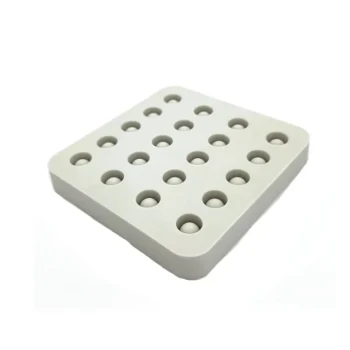
- High-Efficiency 20-Cell Silicone Mold for Beeswax Bee Queen Cup Production
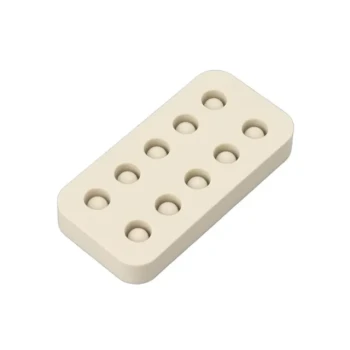
- 10-Cell Silicone Beeswax Bee Queen Cups Forming Mold
- JZBZ Type Wide Base Plastic Queen Cell Cups for Base Mounting and Queen Rearing
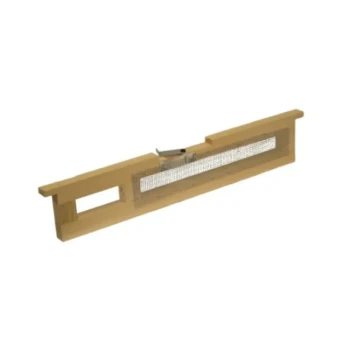
- Professional Wooden Requeening Frame for Beekeeping
People Also Ask
- What materials are used to make artificial queen cell cups for grafting? Beeswax vs. Plastic Guide
- What role do specialized queen rearing tools play in developing mite-resistant honeybee stock? Master Genetic Selection
- What roles do specialized queen cell cups play in royal jelly production? Optimize Your Hive's Secretion and Yield
- What types of cell cups are commonly used in grafting? Plastic vs. Wax for Queen Rearing Success
- Why is a diluted royal jelly solution applied to queen cell cups? Boost Acceptance in Artificial Grafting