Artificial queen cell cups used for grafting are manufactured from two primary materials: beeswax or plastic. While both serve the biological function of housing a developing queen larva, they impose different workflows regarding preparation, durability, and reuse.
The choice between beeswax and plastic comes down to a trade-off between natural acceptance and operational efficiency. While beeswax mimics the hive's natural environment, plastic offers durability and consistency for repeated use.
The Properties of Beeswax Cups
Natural Acceptance
Beeswax cups are made from the same material the bees produce themselves. Because the material is chemically identical to the hive's natural comb, bees generally accept these cups immediately without needing additional coaxing.
The Fabrication Process
Beeswax cups are often hand-dipped by the beekeeper. This involves melting clean wax and dipping a wooden mandrel into it multiple times to build up the cup walls.
Malleability
Because beeswax is soft, these cups can be easily manipulated or trimmed. However, they are also fragile and can be damaged during handling or when transferring the ripe queen cell.
The Utility of Plastic Cups
Durability and Consistency
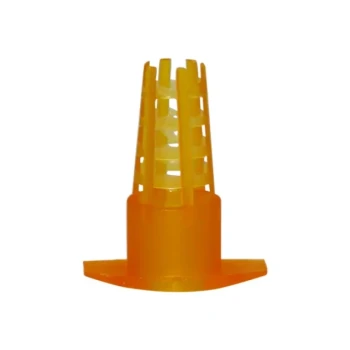
Plastic cups are manufactured to precise dimensions. They are rigid, meaning they will not crush during handling, transport, or placement into mating nucs.
Reusability
Unlike beeswax cups, which are often destroyed or melted down after hatching, plastic cups are designed to be reused indefinitely. They can be cleaned, sterilized, and returned to service, making them popular in commercial operations.
Integration with Systems
Plastic cups are typically designed to fit into specific queen rearing systems (such as the Nicot or Jenter systems). They often snap directly into cell bar holders, eliminating the need to use molten wax to attach the cup to a wooden bar.
Understanding the Trade-offs
Acceptance Challenges
While bees accept wax naturally, plastic cups may require priming. Beekeepers often brush a thin layer of molten wax inside a new plastic cup or let bees "polish" them in the hive for a day prior to grafting to ensure the nurses accept the larvae.
Cleaning Requirements
Reusing plastic requires labor. You must remove the old royal jelly and cocoon, then sterilize the cup to prevent the spread of pathogens. Beeswax cups are simply melted down, sterilizing the wax in the process, and re-dipped.
Cost vs. Labor
Plastic represents a higher upfront financial cost but saves labor in cup creation. Beeswax is essentially free in terms of materials (if using your own cappings) but has a high "labor tax" because you must manufacture them yourself.
Making the Right Choice for Your Goal
Selecting the right material depends on the scale of your operation and your available time.
- If your primary focus is high acceptance and low cost: Stick with beeswax cups, as they are free to make and naturally attractive to nurse bees.
- If your primary focus is efficiency and volume: Choose plastic cups, as they reduce prep time and offer robust protection for the developing queen cells.
- If your primary focus is using a specific rearing system: Use the plastic cups compatible with that manufacturer, as they are engineered to snap into the specific cell bar holders.
The best material is ultimately the one that fits your specific workflow and allows you to consistently produce healthy queens.
Summary Table:
| Feature | Beeswax Cell Cups | Plastic Cell Cups |
|---|---|---|
| Material | Natural Bee-produced Wax | Food-grade Polymer |
| Acceptance | Immediate (Natural) | Requires Priming/Polishing |
| Durability | Fragile & Malleable | High & Rigid |
| Reusability | Single Use (Melted down) | High (Indefinite Use) |
| Labor | High (Hand-dipped) | Low (Ready-to-use) |
| System Fit | Manual Attachment | Snap-in Systems (e.g., Nicot) |
Scaling Your Queen Rearing Operation?
At HONESTBEE, we empower commercial apiaries and distributors with high-performance beekeeping solutions. Whether you prefer the natural efficiency of wax or the precision of professional plastic rearing systems, we provide the tools you need to succeed.
From queen rearing kits and cell cups to advanced honey-filling machines and specialized hive-making hardware, our comprehensive wholesale catalog is designed to optimize your workflow and maximize yield.
Ready to elevate your production? Contact us today to discuss bulk pricing and custom equipment solutions tailored to your business needs.
Related Products
- Brown Nicot Queen Cell Cups for Breeding Queen Bees Beekeeping
- JZBZ Type Wide Base Plastic Queen Cell Cups for Base Mounting and Queen Rearing
- Clear Black Plain Polystyrene Queen Bee Grafting Cell Cups No Lug for Bee Queen Cup
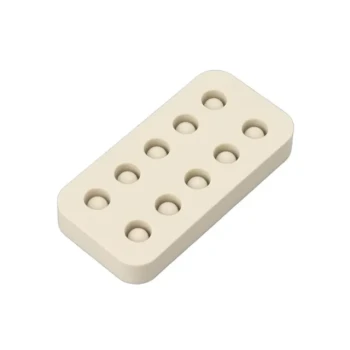
- 10-Cell Silicone Beeswax Bee Queen Cups Forming Mold
- JZBZ Push-In Queen Cell Cups for Beekeeping
People Also Ask
- What role do specialized queen rearing tools play in developing mite-resistant honeybee stock? Master Genetic Selection
- What roles do specialized queen cell cups play in royal jelly production? Optimize Your Hive's Secretion and Yield
- How does the standardized depth of queen cell cups affect larval acceptance? Boost Success with 6mm Precision
- Why is a diluted royal jelly solution applied to queen cell cups? Boost Acceptance in Artificial Grafting
- What happens to the brown cell cups after the eggs hatch into larvae? The Critical Grafting Step for Queen Rearing