Applying a diluted royal jelly solution is a foundational technique in artificial queen rearing used to bridge the gap between mechanical transfer and biological acceptance. This "priming" process creates a protective buffer that prevents delicate larvae from contacting dry cell cup surfaces while simultaneously releasing specific scents that trigger the nursing instincts of the colony, significantly increasing the likelihood that the bees will accept and rear the grafted larvae.
Core Insight: Successful grafting is not just about moving a larva; it is about simulating a continuous environment. The diluted royal jelly acts as a biological and physical interface, tricking the colony into perceiving the artificial cup as a naturally occurring queen cell that is already being tended to.
The Mechanics of Larval Protection
The primary physical challenge in grafting is the harsh contrast between the natural comb and the artificial cell cup.
Mitigating Physical Trauma
When a larva is transferred from a natural comb to a plastic or wax cup, it risks immediate damage.
The dry surface of a new cup is abrasive to the larva's soft, permeable skin.
A drop of diluted royal jelly acts as a lubricating cushion, ensuring the larva floats gently rather than adhering to a rough, dry surface.
Regulating Micro-Environment Moisture
Larvae under 24 hours old are extremely susceptible to dehydration.
Once removed from their original cell, they lose the ambient moisture provided by the hive and their previous food stores.
The solution creates a humid micro-environment within the cup, preventing the larva from drying out during the critical window between grafting and placement in the colony.
Providing Immediate Nutrition
There is always a time lag between placing the frame in the hive and the arrival of nurse bees.
During this gap, the larva requires constant sustenance to continue development.
The diluted solution offers a temporary, immediate nutritional reserve, ensuring the larva does not starve before the nurse bees begin their feeding cycle.
Triggering Colony Instincts
Beyond physical survival, the solution plays a psychological role in the hive's complex social structure.
The Olfactory Signal
Bees rely heavily on scent to manage colony operations and brood care.
Dry, scentless cups (especially plastic ones) are foreign objects to the hive and may be ignored or cleaned out.
The scent of the royal jelly provides a powerful olfactory cue, signaling to nurse bees that the cell contains viable brood that requires immediate attention.
Increasing Acceptance Rates
The ultimate goal of using the solution is to maximize the "take," or acceptance rate.
By mimicking the scent and chemical composition of a natural queen cell, the solution reduces the colony's hesitation.
This simulated natural environment encourages nurse bees to deposit fresh royal jelly on top of the grafted larva almost immediately.
Understanding the Trade-offs
While beneficial, the application of royal jelly requires precision to avoid compromising the graft.
The Risk of Drowning
Applying too much fluid can be counterproductive.
If the "bed" of royal jelly is too deep or the solution is too watery, the tiny larva may float away from the center or become submerged and drown.
Technicians must aim for a micro-droplet, not a pool, to support the larva without overwhelming it.
Consistency and Contamination
The standard mixture is often a 1:1 dilution of royal jelly and sterile water.
Using non-sterile water introduces bacteria that can kill the larva or infect the cell.
Furthermore, if the royal jelly is old or dried out, it loses its attractive scent and nutritional value, negating the benefits of the process.
Making the Right Choice for Your Goal
When setting up your grafting frames, tailor your approach based on your specific objectives.
- If your primary focus is High Acceptance Rates: Ensure the royal jelly is fresh and highly aromatic to maximize the olfactory trigger for nurse bees.
- If your primary focus is Larval Survival: Prioritize the 1:1 dilution ratio to ensure the viscosity provides adequate moisture without drowning the larva.
By transforming a dry plastic cup into a familiar, nutrient-rich environment, you effectively align your artificial process with the colony's natural instincts.
Summary Table:
| Function | Benefit | Key Action |
|---|---|---|
| Physical Protection | Lubricates surfaces & prevents trauma | Creates a cushion for delicate larvae |
| Moisture Control | Prevents larval dehydration | Maintains a humid micro-environment |
| Scent Signaling | Triggers nursing instincts | Mimics natural queen cells for faster 'take' |
| Nutrition | Prevents starvation | Provides a bridge until nurse bees take over |
Scale Your Queen Rearing Success with HONESTBEE
At HONESTBEE, we understand that precision is the heartbeat of a productive apiary. Whether you are a commercial beekeeping operation or a specialized distributor, we provide the high-quality tools and machinery needed to master the art of queen rearing and honey production.
From durable cell cups and grafting tools to advanced hive-making and honey-filling machinery, our comprehensive wholesale portfolio is designed to enhance your efficiency and yield. Let us support your growth with premium equipment and essential consumables.
Contact HONESTBEE Today to Explore Our Wholesale Solutions
References
- H. Fathy, Minako Hamada. Impact of Different Workers Population in Queenless Rearing Colonies on the Quality of Produced Apis mellifera carnica Queen in Manzala Region. DOI: 10.21608/jppp.2019.53637
This article is also based on technical information from HonestBee Knowledge Base .
Related Products
- Brown Nicot Queen Cell Cups for Breeding Queen Bees Beekeeping
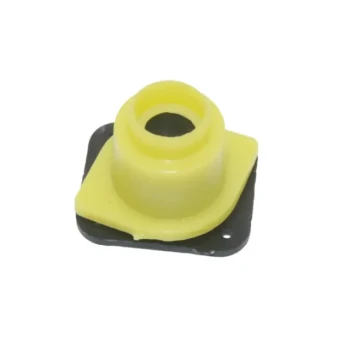
- JZBZ Type Wide Base Plastic Queen Cell Cups for Base Mounting and Queen Rearing
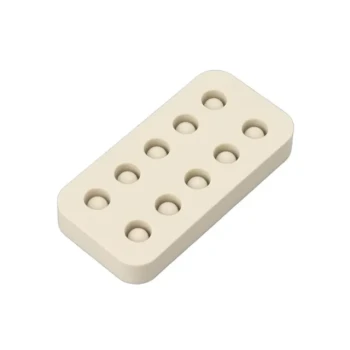
- 10-Cell Silicone Beeswax Bee Queen Cups Forming Mold
- Clear Black Plain Polystyrene Queen Bee Grafting Cell Cups No Lug for Bee Queen Cup
- JZBZ Push-In Queen Cell Cups for Beekeeping
People Also Ask
- What role do specialized queen rearing tools play in developing mite-resistant honeybee stock? Master Genetic Selection
- What materials are used to make artificial queen cell cups for grafting? Beeswax vs. Plastic Guide
- What roles do specialized queen cell cups play in royal jelly production? Optimize Your Hive's Secretion and Yield
- How does the standardized depth of queen cell cups affect larval acceptance? Boost Success with 6mm Precision
- What happens to the brown cell cups after the eggs hatch into larvae? The Critical Grafting Step for Queen Rearing