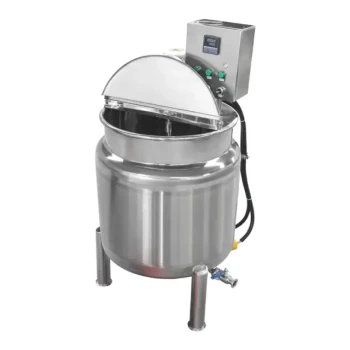
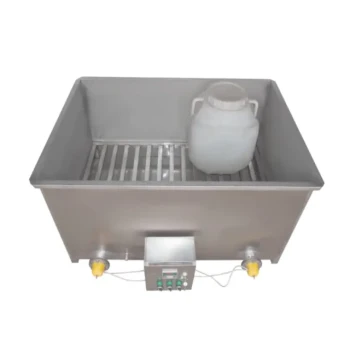
Honey processing and filling machinery serve as the critical economic bridge between raw apiary output and global agricultural sustainability. By converting raw honey into standardized, high-value commercial commodities, this equipment creates the financial surplus necessary for beekeepers to maintain healthy, large-scale bee populations. These populations provide the essential pollination services required for stable upstream agricultural production and long-term food security.
Core Takeaway: Industrial honey machinery incentivizes the protection of honeybees by transforming them from simple biological assets into the foundation of a high-margin commercial ecosystem. This economic loop ensures that beekeepers have the capital to invest in colony health and pollination infrastructure.
Driving Economic Viability Through Value Addition
Converting Raw Harvest to Premium Commodities
Modern processing equipment, such as centrifugal extractors and multi-stage filtration units, removes impurities while preserving the honey's unique physical properties. This transformation allows raw hive material to meet the rigorous standards of high-end retail markets, commanding a significant price premium over unprocessed goods.
Scaling Niche Bi-products
Advanced machinery is not limited to honey; it facilitates the industrial-scale production of high-margin products like royal jelly, propolis, and bee pollen. By diversifying the revenue streams of beekeeping operations, this equipment provides a financial buffer that allows apiaries to remain operational even during fluctuating honey seasons.
Ensuring Market-Ready Standardization
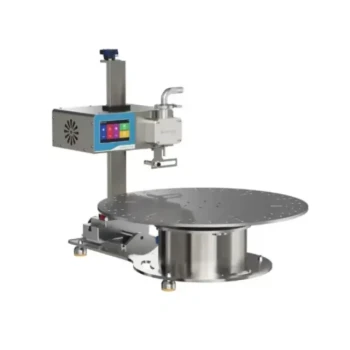
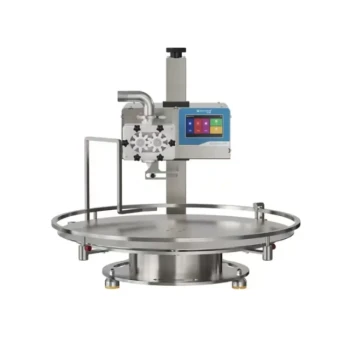
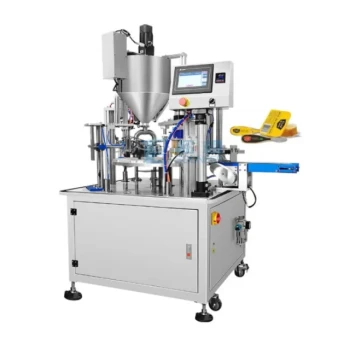
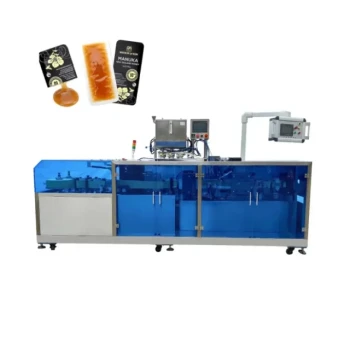
Automated filling lines ensure that every unit meets precise weight and volume requirements, which is essential for global distribution and wholesale compliance. Standardized packaging allows beekeepers to move beyond local markets and enter the lucrative international supply chain.
Enhancing Operational Efficiency and Hive Health
Minimizing Post-Harvest Waste
Industrial-grade machinery maximizes the extraction rate from honeycombs, ensuring that beekeepers capture the maximum possible yield from every harvest. Reducing waste directly correlates to higher profitability, which can then be reinvested into better hive management hardware and pest control.
Reallocating Labor to Colony Management
By automating the labor-intensive tasks of bottling and filtration, commercial beekeepers can redirect their focus toward colony health monitoring and hive migration. This shift from manual labor to professional management is vital for maintaining the high-intensity pollination services required by large-scale farms.
Protecting Product Purity and Traceability
Automated systems minimize manual handling, which drastically reduces the risk of secondary contamination and ensures an additive-free product. High-efficiency filling machines also integrate easily with digital tracking systems, providing the traceability required by organic certification and government regulations.
Understanding the Trade-offs and Pitfalls
The Challenge of Initial Capital Expenditure
High-performance honey processing lines require a significant upfront investment, which can be a barrier for smaller cooperatives. As a distributor, it is crucial to emphasize the long-term ROI generated through increased throughput and reduced labor costs.
Technical Maintenance and Support Needs
Advanced automation requires a consistent maintenance schedule and access to specialized spare parts to prevent downtime during peak harvest seasons. Partnering with a supplier that offers rapid response times and deep professional expertise is essential to mitigate the risk of production halts.
Balancing Industrial Scale with Product Integrity
Over-processing honey using excessive heat or ultra-fine filtration can strip away the floral characteristics that define high-end, niche honeys. Modern machinery must be calibrated correctly to maintain the enzymatic activity and nutritional profile of the honey while still achieving industrial hygiene standards.
How to Apply This to Your Portfolio
To best serve your clients and support agricultural sustainability, consider these strategic sourcing priorities based on your target market's specific goals.
- If your primary focus is supporting large-scale commercial apiaries: Prioritize high-speed, automated filling lines that offer ultra-fast delivery and efficient order fulfillment to handle massive harvest volumes.
- If your primary focus is high-end boutique or organic brands: Source specialized filtration and "cold-processing" equipment that emphasizes product purity and the preservation of natural nutrients.
- If your primary focus is regional beekeeping cooperatives: Focus on one-stop sourcing capabilities that provide a full spectrum of equipment from extraction to final packaging to simplify their supply chain.
By providing the right technical infrastructure, you empower the beekeeping industry to remain the backbone of sustainable, pollination-dependent agriculture.
Summary Table:
| Core Function | Industrial Advantage | Sustainability Impact |
|---|---|---|
| Advanced Extraction | Maximizes yield; reduces post-harvest waste | Increases capital for hive health reinvestment |
| Automated Filling | Ensures global standardization & compliance | Enables scaling for international distribution |
| Diversified Scaling | Processes royal jelly, propolis, and pollen | Creates resilient, multi-stream revenue for apiaries |
| Quality Filtration | Maintains enzymatic activity & purity | Protects the biological value of pollination services |
Scale Your Wholesale Success with HONESTBEE
Empower your commercial apiary clients with HONESTBEE’s comprehensive one-stop sourcing solutions. As a dedicated partner for distributors and B2B resellers, we provide a full-spectrum product portfolio—from hive-making and honey-filling machinery to essential industry consumables and cultural merchandise.
Why partner with us?
- Deep Industry Expertise: Professional guidance on hardware and machinery calibration.
- Supply Reliability: High-margin OEM/ODM support and certified quality standards.
- Operational Speed: Ultra-fast delivery and rapid response times to keep your supply chain moving.
Contact our expert team today to streamline your procurement and deliver premium value to your target markets!
References
- Haftom Gebremedhn, Tesfay Atsbha. Economic and nutritional value of insect pollination services in Ethiopia. DOI: 10.1038/s41598-025-19426-4
This article is also based on technical information from HonestBee Knowledge Base .
Related Products
- Fully Automatic Honey Filling Packaging Machine for Processing Line
- Precision Durable Efficient HONESTBEE Rotary Honey Filling Machine
- Economy Small Honey Filling Machine Honey Bottle Filler Packaging Machine
- Automatic Honey Filling and Filtering Machine for Beekeeping Bottle Filling
- Double Nozzle Small Honey Filling Machine Honey Sachet Packing Packaging Equipment
People Also Ask
- Why are fully automatic honey filling and packaging lines essential? Boost Your Honey's Market Value and Quality
- What is a fully-automatic honey filler? Streamline Your Production with High-Precision Automation
- How do automated honey filling and packaging machines affect profitability? Boost Margins with HONESTBEE Technology
- How do automated honey filling and packaging machines contribute to the market value of honey products? Maximize Your ROI
- How do industrial-grade automated honey filling and packaging machines mitigate the risk of physical contamination?