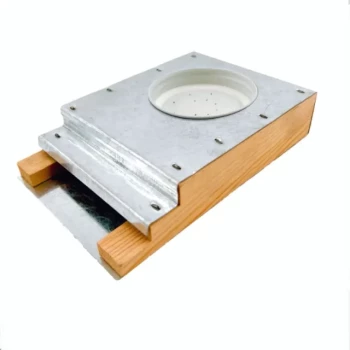
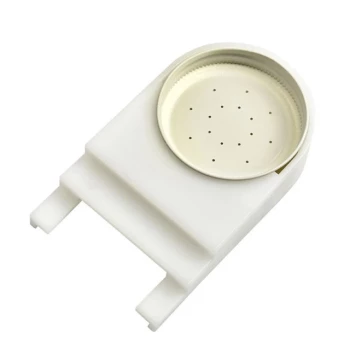
Honeybee feeders serve as a critical life-support system for colonies, specifically designed to introduce syrup and protein supplements during periods of environmental stress or natural scarcity. By bridging nutritional gaps, these devices ensure the colony maintains the energy and protein levels necessary to sustain its workforce and resist collapse.
Strategic feeding is not merely about preventing starvation; it provides the metabolic foundation for the honeybee immune system to function. Proper nutritional regulation empowers the colony to resist high-impact stressors associated with Colony Collapse Disorder (CCD), including pesticide exposure and viral infections.
Bridging the Gap During Scarcity
Overcoming Environmental Limitations
Feeders are essential when the natural environment fails to provide adequate resources. Beekeepers use them to dispense carbohydrate sources, such as high-fructose corn syrup, and protein supplements when natural pollen and nectar are unavailable.
Countering Landscape Fragmentation
Modern environments often suffer from landscape fragmentation, leading to disconnected or insufficient forage areas. Feeders allow beekeepers to artificially overcome these food shortages. This intervention ensures the colony has sufficient stores to continue normal operations despite a lack of local blooms.
Fortifying the Colony Defense System
Fueling the Immune Response
The primary reference highlights a critical connection between artificial feeding and colony health: immunity. The nutritional support provided via feeders acts as the material basis for the honeybee immune system. Without this caloric and protein input, the bees' biological defenses cannot function effectively.
Resisting Colony Collapse Disorder (CCD)
A well-fed colony is more resilient against external threats. Supplemental feeding helps bees withstand the specific stressors linked to Colony Collapse Disorder. This includes improving their physical resilience against pesticide exposure and the pressure of viral infections that often decimate weaker, malnourished colonies.
Regulating Population Dynamics
Stimulating Growth Cycles
Feeders play a pivotal role in population management. Nutritional supplements stimulate the queen bee to increase egg-laying and support the subsequent larval development. This is crucial for ramping up the population during active expansion phases.
Ensuring Winter Survival
The timing of feeding directly impacts survivability. By ensuring the colony reaches sufficient population levels before winter or high-intensity honey harvesting, beekeepers reduce seasonal losses. Proper feeding builds the workforce population required to generate heat and maintain the cluster through cold months.
Understanding the Trade-offs
Artificial Consumables vs. Natural Reserves
While feeders are powerful tools, relying solely on them has operational implications. A strategic alternative involves leaving a portion of mature honey un-harvested.
The Benefits of Natural Stores
Using un-harvested honey as a reserve acts as a substitute for artificial consumables. This method can reduce operational costs for the beekeeper. Furthermore, natural honey often enhances the colony’s ability to withstand extreme weather conditions more reliably than artificial syrups alone.
Making the Right Choice for Your Goal
To effectively manage colony nutrition, align your feeding strategy with your specific operational objectives.
- If your primary focus is Disease Resistance: Prioritize protein and syrup supplements during stress periods to bolster the immune system against viruses and pesticides.
- If your primary focus is Colony Expansion: Utilize high-energy feeds to stimulate queen egg-laying and larval development ahead of major flows or winter.
- If your primary focus is Sustainability: Leave mature honey reserves in the hive to provide cost-effective, natural weather resistance.
Strategic nutritional intervention transforms a colony from a passive participant in its environment to a resilient, defended fortress.
Summary Table:
| Nutritional Role | Primary Benefit | Key Impact on Colony |
|---|---|---|
| Immune Support | Supplies metabolic energy | Increases resistance to pesticides and viral infections |
| Scarcity Management | Bridges foraging gaps | Prevents starvation during landscape fragmentation |
| Population Growth | Stimulates queen egg-laying | Rapidly expands workforce for honey flow or winter |
| Seasonal Survival | Builds protein/sugar stores | Ensures heat generation and cluster maintenance in winter |
Maximize Your Colony Productivity with HONESTBEE Professional Equipment
Maintaining optimal hive nutrition is the backbone of a successful beekeeping operation. At HONESTBEE, we understand the complex needs of commercial apiaries and distributors. We provide a comprehensive range of high-quality beekeeping tools, specialized machinery, and essential consumables designed to enhance colony resilience.
Why partner with HONESTBEE?
- Comprehensive Wholesale Catalog: From precision honeybee feeders to advanced hive-making and honey-filling machines.
- Scalable Solutions: We cater specifically to large-scale operations and distributors seeking reliable hardware and honey-themed merchandise.
- Industry Expertise: Our equipment is built to help your colonies resist stressors like CCD while maximizing your operational efficiency.
Ready to elevate your apiary's performance with the industry's most trusted tools? Contact us today to discuss your wholesale needs!
References
- Jamie Ellis. Colony Collapse Disorder (CCD) in Honey Bees. DOI: 10.32473/edis-in720-2010
This article is also based on technical information from HonestBee Knowledge Base .
Related Products
- HONESTBEE Entrance Bee Feeder Professional Hive Nutrition Solution for Beekeeping
- HONESTBEE Professional Entrance Bee Feeder Hive Nutrition Solution
- HONESTBEE Round Hive Top Bee Feeder for Syrup
- HONESTBEE Entrance Bee Feeder Efficient Hive Front Liquid Feeding Solution for Beekeeping
- HONESTBEE Square Top Hive Bee Feeder Top Bee Feeder
People Also Ask
- What types of bee feeders are available for beginners? Start with the Simple Entrance Feeder
- What are the advantages and disadvantages of using an entrance feeder for bees? Balance Convenience and Hive Security.
- What is a bee entrance feeder and what are its drawbacks? Essential Guide to Hive Security and Feeding Efficiency
- How does a bee entrance feeder work? A Simple Guide to Convenient Hive Feeding
- How to make an entrance feeder for bees? A DIY Guide for Safe & Effective Feeding