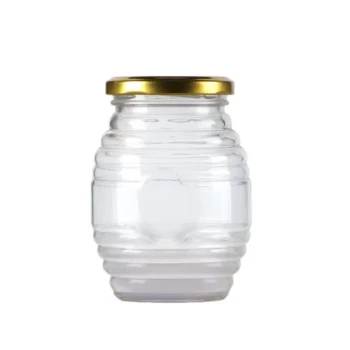
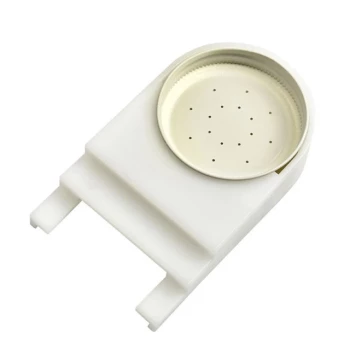
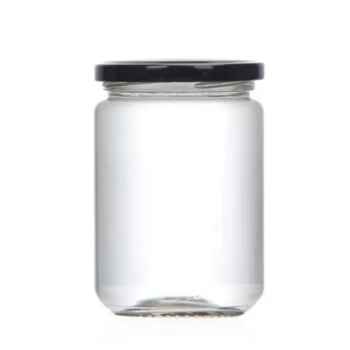
Inverted glass feeding jars act as the primary mechanism for standardization in large-scale honeybee field trials. They function as precise, controlled delivery systems that allow researchers to administer exact dosages of treatments, such as dsRNA products or sugar solutions, to specific colonies. By providing a transparent view of consumption, these devices ensure that every hive in the experiment receives an identical input, eliminating feeding variables that could skew data.
The integrity of a field trial depends on minimizing variables across test subjects. Inverted glass jars provide a transparent, quantitative method to verify that every colony consumes the exact same dosage of active ingredients, thereby guaranteeing experimental uniformity.
The Mechanism of Controlled Delivery
Quantitative Feeding
In scientific trials, "approximate" feeding is insufficient. Inverted jars allow for quantitative feeding, meaning researchers can measure the exact volume of liquid provided to the colony. This transforms feeding from a general maintenance task into a precise data point.
Ensuring Dosage Consistency
The primary role of these jars is to deliver specific active ingredients, such as dsRNA products. The inverted system ensures that the solution is available continuously but in a controlled manner. This guarantees that all experimental hives receive the same dosage over a set timeframe.
The Strategic Advantage of Transparency
Visual Monitoring
The choice of glass over opaque materials is deliberate. The transparency allows technicians to monitor consumption rates instantly. There is no need to open the hive or disturb the colony to check if the food has been consumed.
Identifying Outliers
Because the fluid levels are visible, researchers can immediately identify colonies that are not feeding properly. This allows for rapid troubleshooting. Ensuring that every colony is actually consuming the treatment is critical for maintaining the uniformity of the trial data.
Understanding the Constraints
Material Fragility
While glass offers superior visibility and is chemically inert—ensuring it doesn't react with experimental treatments—it introduces logistical challenges. Glass is fragile, requiring careful handling during transport and installation to prevent breakage in rugged field environments.
Environmental Sensitivity
The inverted jar mechanism relies on a vacuum seal and surface tension to hold the liquid until bees access it. Extreme temperature fluctuations can physically expand or contract the air inside the jar. This may occasionally lead to dripping or disruptions in the flow that require technician intervention.
Maximizing Data Integrity in Field Trials
To ensure your field trials yield valid, reproducible results, the method of delivery is just as important as the substance being delivered.
- If your primary focus is dosage accuracy: Prioritize inverted glass systems to confirm visually that the specific volume of active ingredient has been fully consumed by the target colony.
- If your primary focus is workflow efficiency: Use the transparency of the jars to speed up data collection, allowing technicians to record consumption rates without the time-consuming process of opening hives.
Reliable data begins with the assurance that every subject in your trial has been treated exactly the same.
Summary Table:
| Feature | Benefit for Field Trials | Impact on Data Integrity |
|---|---|---|
| Quantitative Feeding | Measures exact volume of liquid treatments | Ensures identical dosage across all colonies |
| Glass Transparency | Real-time visual monitoring of intake | Identifies outliers without disturbing hives |
| Inverted Design | Controlled vacuum-sealed delivery | Maintains constant access to active ingredients |
| Chemically Inert | Prevents reaction with dsRNA or solutions | Preserves the purity of experimental substances |
Elevate Your Commercial Apiary with HONESTBEE Precision Equipment
Maintaining uniformity in large-scale operations requires professional-grade tools. HONESTBEE specializes in supporting commercial apiaries and distributors with a comprehensive wholesale range of beekeeping solutions. From precision-engineered feeding systems to advanced honey-filling machines and hive-making hardware, we provide the infrastructure you need to scale efficiently.
Why partner with HONESTBEE?
- Comprehensive Supply: A full spectrum of beekeeping tools, machinery, and consumables.
- Industrial Strength: Equipment designed for the rigors of large-scale honey production.
- Tailored for Growth: We cater to the specific needs of distributors and industrial-scale beekeepers.
Ready to optimize your yield and streamline your operations? Contact our expert team today to explore our wholesale catalog and discover how we can strengthen your beekeeping business.
References
- Wayne B. Hunter, Nitzan Paldi. Large-Scale Field Application of RNAi Technology Reducing Israeli Acute Paralysis Virus Disease in Honey Bees (Apis mellifera, Hymenoptera: Apidae). DOI: 10.1371/journal.ppat.1001160
This article is also based on technical information from HonestBee Knowledge Base .
Related Products
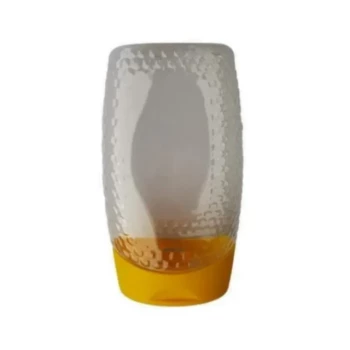
- Inverted Squeezable Honey Jar with No Drip Flip Top Cap for Easy Pouring
- Hexagonal Glass Honey Jars with Metal Lug Caps Elegant Versatile Packaging
- Hexagonal Glass Honey Jar with Wooden Lid Integrated Dipper Elegant Functional Storage
- Classic Drum Shaped Glass Honey Jar with Airtight Lid
- Classic Glass Honey Jar with Metal Lug Cap for Beehive Storage
People Also Ask
- What are the benefits of squeeze bottles for honey packaging? Unlock Mess-Free Convenience & Control
- What are some common types of jars used for honey packaging? Choose the Best Styles to Boost Your Brand
- How many jars of honey can you get from a hive? Maximize Your Yield with Strong Hive Management
- What cleaning practices are crucial for the effective sealing of honey jars? Ensure Maximum Product Shelf Life
- Why is it important to distinguish between weight and volume when selecting honey containers? Maximize Profits Now