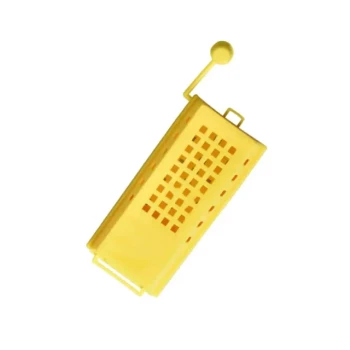
Plastic queen cups act as the essential, standardized vessels that make the Doolittle queen rearing method scalable and efficient. They serve as artificial bases where you place fertilized larvae, simulating a natural queen cell environment to induce nurse bees to feed and rear high-quality queens.
By replacing fragile, handmade wax cells with durable, standardized units, plastic queen cups allow for the mass production of queens. They provide the necessary stability for grafting while mimicking the geometry required for biological acceptance by the colony.
The Function of the Cup in Grafting
Simulating Nature to Trigger Rearing
The primary role of the cup is biological deception.
It mimics the precise geometry and dimensions of a natural queen cell base. When a 24-hour-old larva is grafted into the cup, the shape encourages nurse bees to secrete royal jelly and build a wax cell downward around the plastic base.
Facilitating Larval Transfer
The Doolittle method relies on the physical transfer of larvae (grafting).
Plastic cups provide a tough, rigid container for this delicate operation. Unlike natural wax which is soft and easily damaged, the plastic wall protects the larva during the transfer process and subsequent handling.
Ensuring Consistent Nutrition
The cup acts as a reservoir for the initial royal jelly feeding.
Because the cups are standardized, they hold the larva and the priming jelly in a consistent position, ensuring the developing queen is easily accessible to nurse bees for intensive feeding.
Operational Advantages for the Beekeeper
Streamlining Attachment
In the Doolittle method, multiple cells are raised simultaneously on a frame.
Plastic cups are designed for easy fixation onto the wooden bars of a grafting frame. This allows you to secure dozens of cups quickly without the need for melted wax adhesives often required by homemade wax cups.
Enabling Large-Scale Production
The material strength of plastic transforms queen rearing from a hobbyist activity to a production system.
Once the worker bees have polished and cleaned the cups, the system facilitates rapid, repetitive grafting operations. The cups are durable enough to be reused many times, reducing the prep time required for each breeding cycle.
Understanding the Trade-offs
The "Artificiality" Barrier
While efficient, plastic is foreign to the hive.
New plastic cups may have a lower acceptance rate compared to pure beeswax cups because they lack the natural scent and texture of the hive. Nurse bees may be hesitant to build on them initially.
The Preparation Requirement
To overcome the artificial nature of the material, preparation is critical.
Plastic cups often require a "priming" phase where they are placed in the hive for cleaning by workers prior to grafting. Additionally, coating the plastic in a thin layer of molten beeswax is frequently necessary to simulate a natural environment and ensure the nurse bees accept the graft.
Sanitation Responsibilities
Reusability creates a maintenance burden.
Because you reuse these cups, you introduce a risk of pathogen transmission between batches. Unlike wax cups which are often destroyed or melted down, plastic cups must be rigorously sanitized to prevent the spread of disease.
Making the Right Choice for Your Goal
To get the most out of plastic queen cups in your Doolittle setup, align your preparation with your specific objectives.
- If your primary focus is maximum acceptance rates: Coat your plastic cups in molten beeswax or place them in the hive for 24 hours prior to grafting so bees can clean and scent them.
- If your primary focus is workflow efficiency: Utilize the cups' standardized design to preload grafting bars in bulk, ensuring your hardware is ready the moment larvae are at the correct age.
- If your primary focus is equipment longevity: Establish a strict sanitation protocol immediately after harvesting queens to ensure the plastic remains safe for repeated use.
Success in the Doolittle method relies not just on the graft, but on the quality of the vessel you choose to hold it.
Summary Table:
| Feature | Role in Doolittle Method | Operational Benefit |
|---|---|---|
| Material Durability | Protects larvae during transfer | High reusability and reduced prep time |
| Standardized Geometry | Mimics natural queen cell base | Ensures consistent royal jelly accessibility |
| Rigid Structure | Facilitates secure frame attachment | Allows for high-density, scalable production |
| Chemical Stability | Acts as a reservoir for priming jelly | Maintains larva position for better feeding rates |
| Smooth Surface | Enables easy cleaning and sterilization | Minimizes disease transmission across cycles |
Scaling Your Apiary Operations? Partner with HONESTBEE Today!
As a commercial apiary or professional distributor, your success depends on the reliability and efficiency of your equipment. HONESTBEE specializes in empowering large-scale operations with a comprehensive wholesale range of beekeeping essentials. From precision-engineered plastic queen cups and high-capacity hive-making machinery to professional honey-filling systems and cultural merchandise, we provide the tools you need to lead the industry.
Why Choose HONESTBEE?
- Comprehensive Wholesale Offering: A one-stop shop for tools, machinery, and consumables.
- Industrial Strength: Equipment designed for the rigors of commercial queen rearing and honey production.
- Expert Support: We understand the unique needs of distributors and large-scale bee farms.
Ready to elevate your production and secure your supply chain? Contact us today to discuss your wholesale needs and discover how our expertise can drive your business forward.
References
- Celia A. Contreras-Martinez, Ernesto Guzmán‐Novoa. Effect of Different Substrates on the Acceptance of Grafted Larvae in Commercial Honey Bee (Apis Mellifera) Queen Rearing. DOI: 10.1515/jas-2017-0019
This article is also based on technical information from HonestBee Knowledge Base .
Related Products
- JZBZ Type Wide Base Plastic Queen Cell Cups for Base Mounting and Queen Rearing
- Clear Black Plain Polystyrene Queen Bee Grafting Cell Cups No Lug for Bee Queen Cup
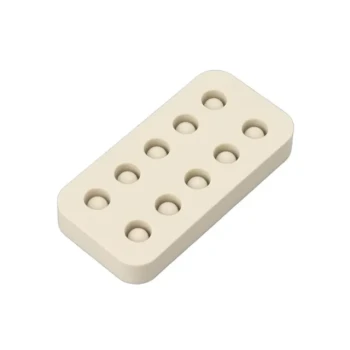
- 10-Cell Silicone Beeswax Bee Queen Cups Forming Mold
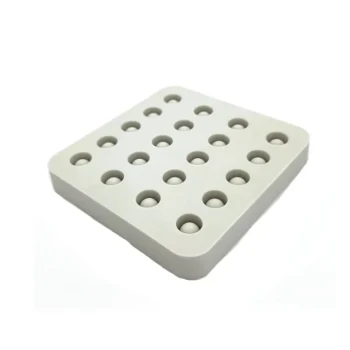
- High-Efficiency 20-Cell Silicone Mold for Beeswax Bee Queen Cup Production
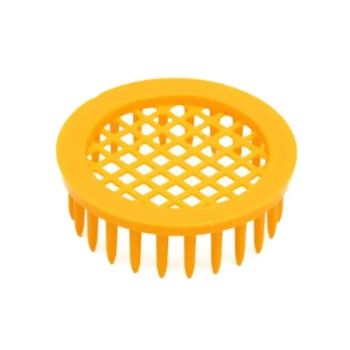
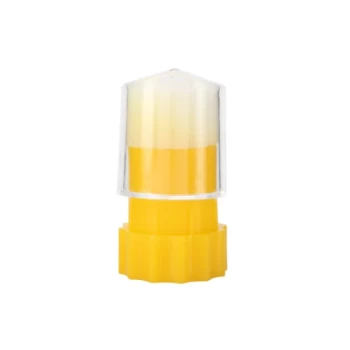
- Durable Plastic Push In Queen Bee Cage
People Also Ask
- What is the primary function of commercial plastic queen cell cups? Driving Efficiency in Mass Queen Rearing
- What are the primary advantages of using plastic queen cell cups? The Industrial Choice for High-Efficiency Apiaries
- What technical advantages do commercial plastic queen cell cups offer? Scale Your Queen Rearing for Maximum Efficiency
- What is the function of standardized plastic Queen Cell Cups? Boost Efficiency in Commercial Larval Grafting
- Why are standardized plastic queen cell cups preferred? Boost Commercial Queen Rearing Efficiency