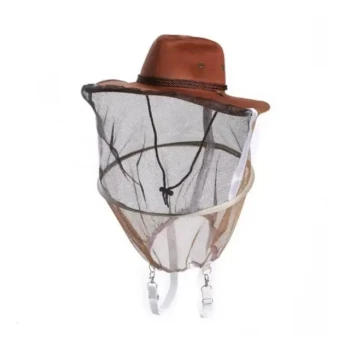
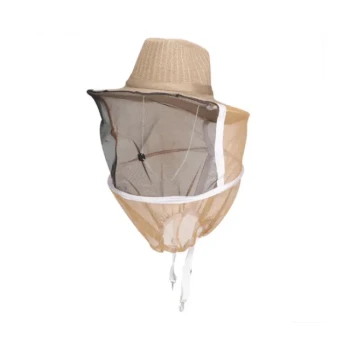
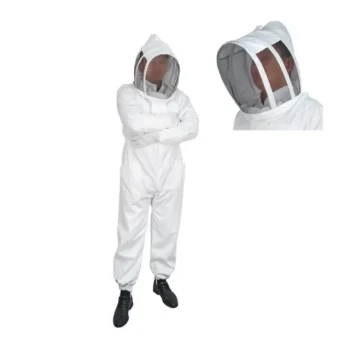
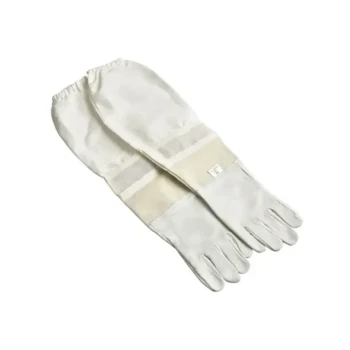
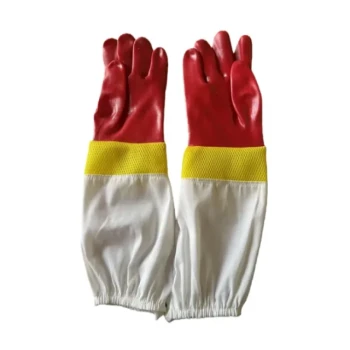
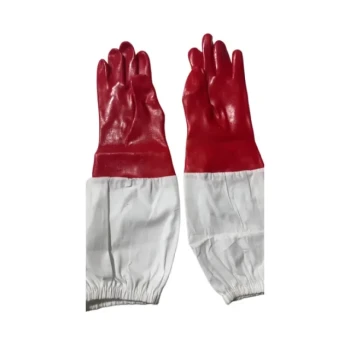
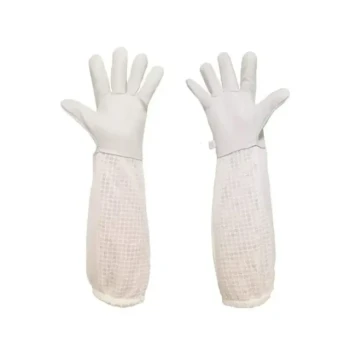
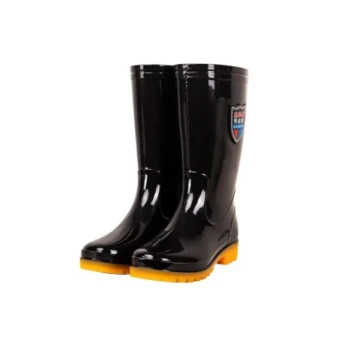
Professional-grade protective gear and disinfection equipment function as critical biosecurity firewalls. They serve as the primary defense against the cross-regional spread of pathogens by establishing physical barriers and breaking transmission chains. Specifically, when handling infected populations or cleaning hive structures, this hardware prevents the mechanical transfer of pathogens—such as microsporidia and American Foulbrood spores—between commercial apiaries and wild pollinator populations.
The strict application of sealed protective clothing and site-specific disinfection protocols is not merely a safety precaution but an ecological necessity. These tools are the only effective means to interrupt pathogen pathways, securing both the commercial beekeeping industry and regional ecological health.
The Mechanics of Disease Prevention
Breaking the Transmission Chain
Pathogens, particularly microsporidia, rely on physical pathways to move from host to host. Professional-grade gear acts as a sealed barrier, preventing these biological agents from "spilling over" from managed commercial hives into vulnerable wild pollinator populations. This isolation is essential for maintaining regional ecological safety.
Combating Mechanical Transfer
Diseases such as American Foulbrood (AFB) produce resilient spores that can cling to surfaces for long periods. Without intervention, standard tools and garments become vectors. Protective hardware prevents this mechanical transmission, ensuring that inspections do not inadvertently carry infection from a sick hive to a healthy one.
Operational Biosecurity Standards
Protocol for High-Risk Scenarios
When handling known infected populations or cleaning old hive structures, standard cleaning is insufficient. The use of high-standard disinfectants and sealed transport containers is necessary to fully neutralize the threat. This ensures pathogens are destroyed before equipment or bees are moved to a new location.
Safety in Api-Tourism
For non-professional participants, high-grade breathable suits and veils provide necessary physical isolation. This scientific intervention effectively controls risk during interactions with bees. It ensures that educational or regenerative activities can occur without compromising the biological integrity of the apiary.
Common Pitfalls to Avoid
The Hidden Danger of Secondhand Gear
While professional equipment is vital, acquiring it via the secondhand market introduces significant risk. Using unverified secondhand equipment is a primary vector for introducing pathogens or pests into a healthy apiary.
Verification is Mandatory
You cannot assume previous owners maintained strict hygiene standards. Unless secondhand equipment has been rigorously cleaned and checked for disease history, it represents a breach in your biosecurity barrier.
Ensuring Ecological Safety in Your Operations
Whether managing a commercial operation or a small educational apiary, your equipment choices define your biosecurity profile.
- If your primary focus is preventing cross-contamination: Prioritize site-specific disinfection and ensure tools are sterilized before moving between different apiaries.
- If your primary focus is ecological preservation: Use sealed transport containers to prevent pathogen spillover from commercial stocks to wild pollinators.
- If your primary focus is equipment acquisition: Avoid unverified secondhand gear to eliminate the high risk of introducing dormant pathogens into your system.
Rigorous adherence to equipment hygiene is the foundation of a sustainable and healthy beekeeping future.
Summary Table:
| Biosecurity Feature | Function in Disease Prevention | Key Pathogens Targeted |
|---|---|---|
| Professional Gear | Acts as a physical barrier to prevent mechanical transfer between hives. | Microsporidia, Spores |
| Disinfection Tools | Neutralizes resilient biological agents on surfaces and hardware. | American Foulbrood (AFB) |
| Sealed Containers | Prevents pathogen spillover during the transport of commercial stocks. | Cross-regional Viruses |
| Sterilization Protocols | Breaks the transmission chain during high-risk cleaning and inspections. | Parasitic Mites, Fungi |
Secure Your Apiary’s Future with HONESTBEE
Protecting your commercial honey production starts with robust biosecurity. HONESTBEE provides professional-grade beekeeping tools, machinery, and essential consumables designed for commercial apiaries and global distributors. From hive-making and honey-filling machines to specialized protective gear, our high-quality equipment helps you eliminate contamination risks and maintain healthy colonies.
Ready to upgrade your biosecurity profile? Contact us today to explore our wholesale machinery and protective solutions tailored for the professional beekeeping industry.
References
- Francisco E. Fontúrbel, Lorena Vieli. Invasion dynamics of the European bumblebee Bombus terrestris in the southern part of South America. DOI: 10.1038/s41598-021-94898-8
This article is also based on technical information from HonestBee Knowledge Base .
Related Products
- Premium Cowboy Beekeeper Hat with Visibility Veil Outdoor Professional Beekeeping Protective Gear
- Beekeeper Cowboy Hat and Veil for Beekeeping
- Beekeeping Jacket with Hood and Veil for Beekeepers
- Beekeeping Gloves Goatskin Leather with Long Cotton Sleeve for Beekeepers
- White Cotton Beekeeping Jacket and Veil for Bee Keepers
People Also Ask
- What design features contribute to the stability and fit of the beekeeper hat? Key Features for Maximum Hive Safety
- How is the beekeeper hat designed for comfort and practicality? Explore Key Features for Enhanced Apiary Safety
- What is the general protective gear recommendation for new beekeepers? Your Essential Beginner's Safety Guide
- How does beekeeping protective gear facilitate the queen bee selection process? Enhancing Precision in Queen Breeding
- What should beekeepers consider when choosing protective gear? A Guide for Maximum Safety & Comfort