A diagnostic beehive bottom board serves as the primary data collection interface for a modern apiary, specifically designed to monitor the natural mortality of Varroa destructor mites. By capturing mites that fall from the bees over a set period, this tool transforms pest management from a schedule-based guess into a precision, evidence-based science.
Core Takeaway: Within an Integrated Pest Management (IPM) framework, the diagnostic bottom board acts as a "check engine light" for the colony. It provides the essential metrics needed to verify the effectiveness of past treatments and determine exactly when—and if—future chemical intervention is necessary.
The Role of Monitoring and Data Collection
Capturing Natural Mite Fall
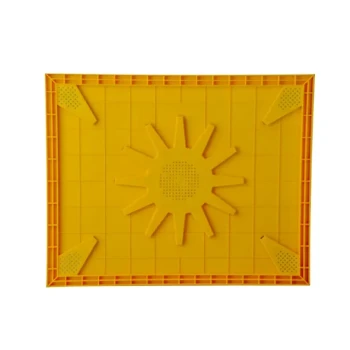
The primary function of this board is to act as a passive monitoring device. It utilizes a screen or mesh that allows falling mites to pass through while keeping bees out, collecting the parasites on a tray below.
This collection represents the "natural mite fall," which correlates to the total mite population within the hive.
Assessing Real-Time Infestation Pressure
By counting the fallen mites over a specific timeframe (usually 24 to 72 hours), beekeepers can calculate the daily mite drop.
This data point provides an immediate assessment of the colony's current infestation status. It enables you to identify dangerous spikes in pest population before the colony shows visible signs of collapse.
Validating Treatment Efficacy
Verifying Chemical Control Success
Applying a treatment is only half the battle; knowing it worked is the other half. The diagnostic board allows you to quantify the efficacy of chemical controls immediately after application.
If mite drop does not increase significantly after treatment, or if high counts persist weeks later, the board alerts you to potential treatment failure or resistance issues.
Enabling Precision Treatment Plans
Data from the board supports precision agriculture principles within the hive. Instead of applying blanket treatments based on the calendar, you treat only when infestation thresholds are breached.
This prevents the overuse of chemicals, reduces stress on the bees, and minimizes the risk of contaminating wax and honey.
Enhancing Colony Hygiene and Environment
Improving Internal Ventilation
Beyond pest monitoring, modern hygienic bottom boards are designed to significantly improve airflow within the hive.
Proper ventilation is critical for regulating humidity and temperature, factors that influence both bee health and fungal pathogen growth.
Facilitating Debris Management
These boards allow for the easy identification and removal of colony waste without opening the main hive body.
By reducing the buildup of environmental impurities and biological debris, you minimize the interference such waste might have on honeybee physiological data and overall hygiene.
Understanding the Trade-offs
Data Interpretation is Required
A diagnostic board provides raw data, not a diagnosis. You must understand how to interpret mite counts based on the season and colony size to make accurate decisions.
Maintenance Obligations
While valuable, these boards are not "set and forget" tools. The collection trays must be cleaned regularly to prevent them from becoming breeding grounds for wax moths or harboring other pathogens.
Making the Right Choice for Your Goal
To effectively integrate a diagnostic bottom board into your IPM strategy, align its use with your specific objectives:
- If your primary focus is Precision Treatment: Use the board to calculate daily mite drops before and after every chemical application to verify efficacy and prevent resistance.
- If your primary focus is Colony Hygiene: Prioritize the ventilation features and establish a weekly routine to clear debris, reducing the pathogen load within the hive.
- If your primary focus is Early Detection: Utilize the collection tray in conjunction with high-precision diagnostic reagents to identify larval diseases before they spread to neighboring colonies.
Ultimately, the diagnostic bottom board bridges the gap between passive observation and active, informed stewardship of your apiary.
Summary Table:
| Feature | Function in IPM | Core Benefit |
|---|---|---|
| Passive Monitoring | Tracks natural mite fall | Provides real-time infestation data |
| Efficacy Validation | Post-treatment mite counts | Verifies if chemical controls were successful |
| Enhanced Ventilation | Improves internal airflow | Regulates humidity and reduces fungal growth |
| Debris Management | Separates waste from bees | Simplifies hive hygiene and disease prevention |
Elevate Your Apiary's Precision with HONESTBEE
Are you looking to scale your operations with professional-grade equipment? HONESTBEE specializes in supporting commercial apiaries and distributors with high-performance beekeeping tools. From advanced diagnostic bottom boards to specialized honey-filling machines and hive-making hardware, we provide the full spectrum of equipment and consumables needed to succeed at scale.
Partner with HONESTBEE to enhance your productivity and honeybee health. Contact us today to explore our wholesale offerings!
References
- Roberto Bava, Vincenzo Musella. Prevalence of Varroa destructor in Honeybee (Apis mellifera) Farms and Varroosis Control Practices in Southern Italy. DOI: 10.3390/microorganisms11051228
This article is also based on technical information from HonestBee Knowledge Base .
Related Products
- Langstroth Solid Bottom Board for Beekeeping
- Langstroth Screen Bottom Board for Beekeeping Wholesale
- Solid Bottom Board Australian Pine Wood Langstroth Bottom Board for Wholesale
- HONESTBEE Top Bar & Bottom Bar Forming Machine | Bee Frame Machine
- Australian Pine Wood Langstroth Screen Bottom Board for Wholesale
People Also Ask
- What are the functions of solid bottom boards for a beehive? Essential Thermal Protection and Winter Survival Tips
- What is the purpose of a solid bottom board for bee hives? Enhance Hive Health and Winter Survival
- How does climate influence the choice between a solid and screened bottom board? Optimize Your Hive for Local Weather
- What is the primary function of a bottom board in a modern modified beehive system? Essential Foundation Guide
- What are the characteristics of a solid bottom board for a beehive? Boost Colony Health and Thermal Insulation