A hive mounting system serves as the structural foundation for a managed apiary. It functions primarily to elevate the hive, creating a critical physical barrier against ground-based moisture and pests while optimizing the workspace for human operators.
By isolating the hive from the ground, mounting systems drastically reduce environmental risks like dampness and crawling predators. This elevation creates a hygienic, accessible environment that streamlines colony management and inspection.
Physical Protection and Hygiene
The Defense Against Moisture
Stingless bee colonies require a stable internal environment to thrive. A mounting system lifts the hive off the ground, immediately severing the link between the hive floor and soil moisture. This prevents water wicking, which can lead to wood rot and dangerous humidity fluctuations within the nest.
Barriers Against Crawling Pests
The ground is a vector for numerous predators, particularly ants and beetles. The primary reference notes that mounting systems act as a barrier against these crawling pests. By forcing predators to navigate a specific vertical post, beekeepers can more easily apply barriers (like grease or water traps) to protect the colony.
Improving Apiary Hygiene
Elevation contributes to the overall cleanliness of the apiary. It prevents debris, mud, and decaying organic matter from accumulating around the hive entrance. This separation helps maintain a sterile perimeter, reducing the biological load on the bees' defensive resources.
Operational Efficiency for Beekeepers
Enhancing Inspection Ergonomics
Stingless beekeeping requires frequent monitoring. The primary reference highlights that mounting systems make it significantly easier for operators to conduct daily inspections. Elevating the hive to waist or eye level reduces physical strain on the beekeeper, leading to more thorough and consistent checks.
Providing Stable Physical Support
A secure mount ensures the hive remains stationary during delicate operations, such as hive splitting or honey extraction. Stability is crucial because unwanted vibration or movement can stress the colony. A rigid system ensures that the precise specifications of the hive box are maintained without shifting or tipping.
Understanding the Trade-offs
Exposure to Elements
While elevation protects against ground moisture, it can expose the hive to higher wind speeds and ambient temperature fluctuations compared to a ground-level placement. Operators must ensure the mounting location is sheltered or that the hive material offers sufficient insulation.
Complexity and Cost
Implementing a robust mounting system adds to the initial setup cost and labor of the apiary compared to placing hives on simple blocks. The system must be durable enough to withstand the weight of a full hive and environmental wear, requiring high-quality materials.
Making the Right Choice for Your Goal
To maximize the effectiveness of your stingless bee management:
- If your primary focus is Colony Survival: Prioritize mounting systems that include integrated pest barriers (such as oil cups) on the legs to actively stop ants and beetles from climbing.
- If your primary focus is Commercial Efficiency: Select a mounting height that minimizes bending for the operator to ensure rapid, fatigue-free inspections across large numbers of hives.
The right mounting system transforms a hive from a simple box into a defensible, accessible, and professional biological station.
Summary Table:
| Feature | Role in Colony Management | Key Benefit |
|---|---|---|
| Elevation | Severs contact with soil and ground moisture | Prevents wood rot and humidity fluctuations |
| Pest Barrier | Creates a vertical choke point for crawling predators | Simplifies protection against ants and beetles |
| Ergonomics | Positions hive at waist or eye level | Reduces operator fatigue during inspections |
| Stability | Provides a rigid, stationary foundation | Minimizes stress from vibration during honey extraction |
| Hygiene | Keeps hive entrance away from debris and mud | Reduces biological load and maintains a sterile perimeter |
Elevate Your Commercial Apiary with HONESTBEE
At HONESTBEE, we understand that a professional stingless bee operation requires more than just a box—it requires a robust infrastructure. Whether you are a commercial apiary seeking to maximize inspection efficiency or a distributor looking for durable beekeeping solutions, we provide the full spectrum of equipment to support your growth.
From specialized hive-making and honey-filling machinery to high-quality consumables and hardware, our comprehensive wholesale offering is designed to scale your business. Let us help you transform your apiary into a high-performance biological station.
Ready to upgrade your equipment? Contact us today to explore our wholesale solutions!
References
- Firdaus Basrawi, Ahmad Syazwan Ramli. Engineering economic analysis of meliponiculture in Malaysia considering current market price. DOI: 10.1051/matecconf/201713104005
This article is also based on technical information from HonestBee Knowledge Base .
Related Products
- Modern Flat-Mount Hive Number Set for Beekeeping
- Durable Plastic Hive Number Set for Beekeeping
- Stainless Steel Round Beehive Air Vents for Ventilation
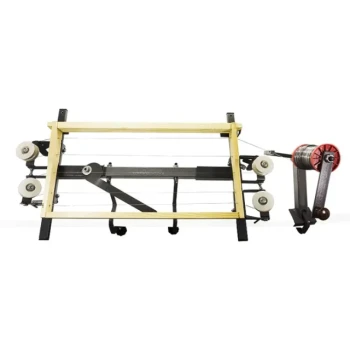
- Professional Bee Frame Wiring Tool with Integrated Tensioning System by HONESTBEE
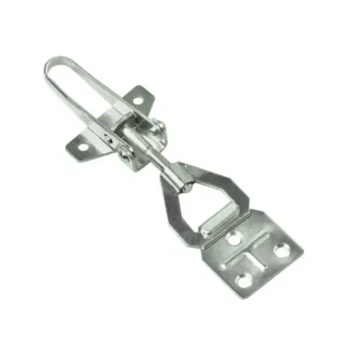
- Heavy Duty Adjustable Hive Connector
People Also Ask
- What are the primary advantages of modern beekeeping hives? Scale Your Apiary with Industrial Efficiency
- What is the impact of regular technical extension contact on the management of modern beekeeping hives? Enhance Hive Efficiency
- What are the structural and management advantages of modern beekeeping hives? Scale Your Honey Yields Today
- Why should the promotion of modern beekeeping hives be integrated with professional beekeeping tool kits and technical support?
- Why do forest beekeepers consider transitioning from traditional bark hives? Modernizing for Sustainable Yields