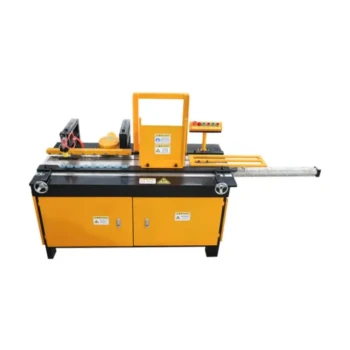
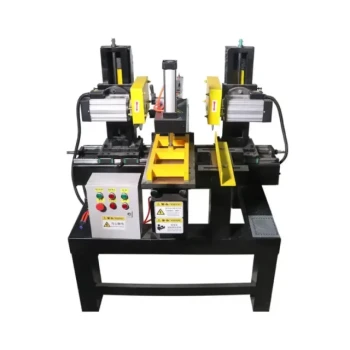
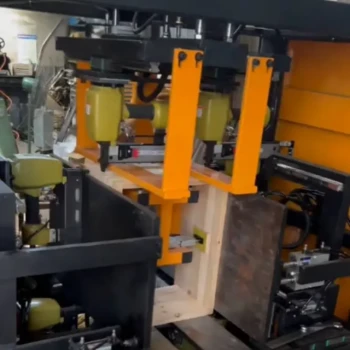
Industrial hive-making machinery is the primary catalyst for transforming beekeeping from an artisanal craft into a scalable commercial enterprise. By automating the production of standardized, precision-cut components, this technology removes the manual labor bottlenecks that traditionally limit apiary growth. It ensures that every hive and frame is structurally identical, which is the absolute prerequisite for mechanized management and rapid expansion.
Scaling an apiary requires moving beyond manual construction; it demands absolute consistency. Industrial machinery provides the structural uniformity required for mechanized harvesting, efficient migratory logistics, and the ability to meet market demands for specific high-quality honeys.
The Critical Role of Standardization
Enabling Mechanized Operations
The primary value of industrial machinery is the creation of interchangeable parts. When managing thousands of colonies, beekeepers cannot afford to custom-fit frames to boxes.
Standardized dimensions allow for the use of automated extraction lines and mechanical handling equipment. This level of automation is essential for efficiently harvesting monofloral honeys during tight flowering windows.
Facilitating Migratory Logistics
Large-scale operations often require moving hives to follow seasonal blooms. Uniform hive structures stack securely and efficiently on transport trucks.
This structural consistency reduces the risk of equipment failure during transit. It allows beekeepers to manage the complex logistics of migratory beekeeping without the variables of irregular equipment.
Reducing Maintenance Friction
When components are produced to international standards (such as Langstroth specifications), maintenance becomes a simple swap-and-replace task.
Universal compatibility significantly lowers long-term infrastructure costs. Beekeepers can source or produce spare parts that fit perfectly, eliminating the downtime associated with repairing non-standard gear.
Speed, Volume, and Economic Viability
Accelerating Expansion Cycles
Manual hive construction is too slow to match the reproductive rate of bees in a growing apiary. Industrial machinery utilizes high-efficiency cutting technologies to produce components at mass scale.
This high-speed production allows beekeepers to deploy new colonies immediately when conditions are favorable. The manufacturing cycle is drastically reduced, enabling rapid response to market demand.
Lowering Unit Costs
By shifting to mechanized production, the labor cost per unit drops significantly. This creates a more favorable economic model for expansion.
The durability of machine-made components also reduces depreciation. Precise joinery results in stronger equipment that lasts longer in the field, protecting the initial capital investment.
Precision Engineering for Colony Health
Optimizing the Microclimate
Industrial machinery cuts wood with a level of precision that manual tools rarely match. This ensures tight seals between hive boxes.
A well-sealed hive helps the colony regulate internal temperature and humidity with less energy. This environmental stability improves overwintering survival rates and general resilience against extreme weather.
Adhering to Biological Bee Space
Machinery ensures that frames and boxes strictly adhere to "biological bee space" standards.
When dimensions are exact, bees build comb where beekeepers want it, rather than bridging gaps with burr comb. This reduces stress on the colony during inspections and minimizes the risk of pest invasion due to poor construction.
Understanding the Trade-offs
While industrial machinery enables scale, it introduces specific challenges that operators must manage.
Capital Intensity vs. Flexibility
Investing in industrial-grade machinery requires significant upfront capital. This shifts the business model from variable labor costs to fixed asset costs, which requires high utilization rates to be profitable.
Dependence on Calibration
The benefit of standardization becomes a liability if the machinery is poorly calibrated. A production run of slightly off-spec components can render thousands of frames incompatible with existing gear. Rigorous quality control is essential to prevent systemic equipment failure.
Making the Right Choice for Your Goal
To leverage industrial hive-making machinery effectively, align your equipment choice with your specific operational targets.
- If your primary focus is Rapid Expansion: Prioritize high-throughput machinery that reduces the manufacturing cycle time to match your colony splitting schedule.
- If your primary focus is Operational Efficiency: Focus on precision equipment that guarantees 100% interchangeability to support automated honey extraction lines.
By treating hive manufacturing as a precision industrial process, you build the physical infrastructure necessary to support a high-yield, professional beekeeping operation.
Summary Table:
| Key Scaling Factor | Role of Industrial Machinery | Strategic Benefit |
|---|---|---|
| Standardization | Creates interchangeable precision parts | Enables mechanized harvesting & automated lines |
| Logistics | Produces uniform, stackable hive structures | Reduces transit damage during migratory operations |
| Production Speed | High-throughput mass manufacturing | Allows rapid deployment of new colonies |
| Colony Health | Precision-cut seals & exact bee space | Improves overwintering & reduces burr comb |
| Economic Efficiency | Lowers per-unit labor costs | Optimizes capital investment & durability |
Scaling Your Beekeeping Enterprise Starts with Precision
Transitioning from manual labor to industrial efficiency is the key to commercial success. At HONESTBEE, we specialize in empowering commercial apiaries and distributors with the tools needed for massive growth.
Our comprehensive wholesale portfolio includes:
- Advanced Machinery: Industrial hive-making and honey-filling machines for high-volume production.
- Beekeeping Equipment: A full spectrum of professional tools and specialized hardware.
- Industry Consumables: Every essential needed to maintain large-scale operations.
- Cultural Merchandise: Honey-themed goods to diversify your brand's revenue.
Ready to transform your operation with high-efficiency infrastructure? Contact HONESTBEE today to discuss how our wholesale solutions and specialized machinery can drive your profitability and scale.
References
- Titanilla Oravecz, Ildikó Kovács. Qualitative study of preferences and attitudes towards honey consumption in Hungary. DOI: 10.14232/analecta.2019.2.52-58
This article is also based on technical information from HonestBee Knowledge Base .
Related Products
- High-Efficiency Pneumatic Bee Hive Making Machine for Rapid Box Assembly
- Beehive Handle and Frame Rest Cutting Machine: Your Specialized Hive Machine
- Beehive Machine Double End Saw for Precision Hive Component Manufacturing
- Automatic High-Speed Bee Hive Box Stapling Machine
- Mini Desktop Bee Hive Frame Forming Making Machine
People Also Ask
- How does the introduction of professional beehive-making machinery benefit sustainable beekeeping? Scale Your Apiary
- Why is specialized beehive-making machinery critical for low-defense breeding? Enhance Selection with Precision Tools
- How does the introduction of specialized beehive making machinery contribute to increasing the scale of regional beekeeping industries?
- What is the importance of specialized beehive making machinery in a circular bio-economy? Build Local Sustainability
- Why is specialized beehive-making machinery essential? Scale Your Apiary with Precision Industrial Standards