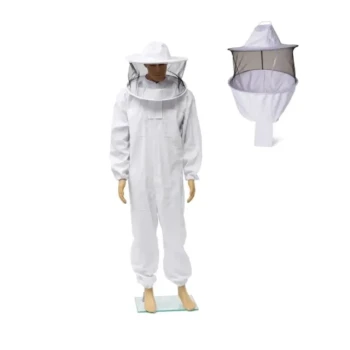
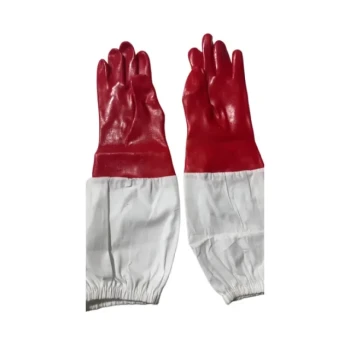
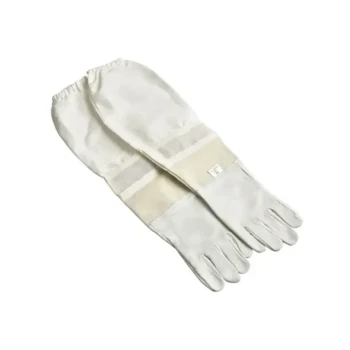
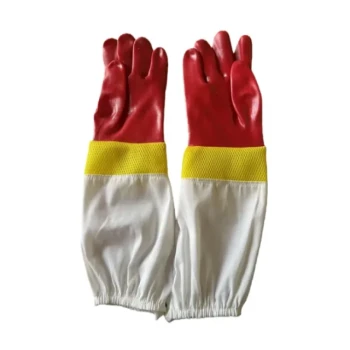
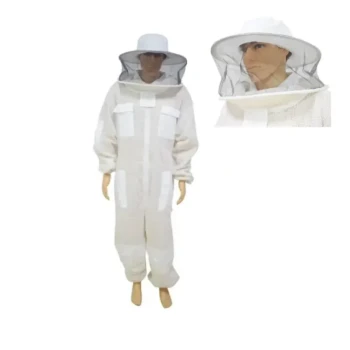
Professional beekeeping protective clothing serves a dual purpose: it safeguards the researcher’s physical safety while critically acting as an instrument for data integrity. By utilizing breathable, lightweight materials that offer comprehensive sting protection, this gear ensures researchers maintain the necessary agility for high-precision colony disassembly and sampling, directly preventing data bias caused by restricted movement.
The primary function of professional gear in field assessment extends beyond safety to the preservation of researcher mobility. By minimizing physical restriction and discomfort, specialized clothing ensures the accurate recording of sensitive indicators—such as larval mortality and mite infestation—during intensive stress experiments.
The Link Between Ergonomics and Data Quality
Enhancing Precision Through Mobility
Field assessments often require delicate physical tasks, such as disassembling colonies without agitating the hive. Professional clothing is designed with lightweight materials to maintain the researcher's range of motion.
This agility is fundamental when performing high-precision sampling. If a researcher's movement is restricted by heavy or ill-fitting gear, the physical difficulty of the task increases, leading to rushed work and potential errors in data collection.
Preventing Bias in Stress Experiments
In scientific studies, specifically stress experiments, the consistency of the human observer is a variable that must be controlled. Uncomfortable or restrictive clothing can introduce "data bias."
When researchers are overheating or physically encumbered, their focus shifts from the subject to their own discomfort. Professional gear mitigates this, allowing the focus to remain exclusively on the colony's metrics.
Critical Indicators Requiring Steady Assessment
Accurate Population and Mortality Counts
Assessing colony vulnerability hinges on the precise counting of adult bees and the identification of larval mortality rates. These are visual and manual tasks that require steady hands and patience.
Protective gear that offers breathability prevents fatigue, ensuring that these counts remain accurate even during long periods of fieldwork.
Monitoring Parasitic Infestations
One of the most critical aspects of vulnerability assessment is recording Varroa mite infestation levels. This often involves close-up inspection and the use of specific monitoring devices.
While tools and applicators manage the biological threat, the clothing enables the researcher to remain in close proximity to the hive long enough to use these tools effectively and record baseline levels accurately.
Understanding the Trade-offs
The Balance of Protection vs. Dexterity
While professional clothing maximizes agility, there is always an inherent compromise between ultimate protection and fine motor control.
Thicker materials offer higher sting security but may reduce tactile feedback essential for handling delicate frames or small instruments. Conversely, ultra-lightweight gear maximizes agility but may offer less defense against aggressive colonies during high-stress interventions.
Equipment Maintenance
High-performance, breathable fabrics often require more careful maintenance than standard canvas gear to retain their protective qualities. Neglecting the care of these specialized materials can lead to a breach in safety, suddenly reintroducing the distraction of sting fear into the assessment process.
Making the Right Choice for Your Goal
When selecting protective equipment for field assessments, consider your primary objective:
- If your primary focus is Data Precision: Prioritize gear featuring lightweight, breathable fabrics that maximize range of motion to prevent fatigue-induced counting errors.
- If your primary focus is High-Risk Intervention: Prioritize heavier, comprehensive coverage to ensure safety during the manipulation of highly aggressive or stressed colonies, accepting a slight reduction in fine motor speed.
The right protective clothing ultimately transforms the researcher from a distracted observer into a precise instrument of measurement.
Summary Table:
| Feature of Protective Gear | Impact on Field Assessment | Benefit to Researcher |
|---|---|---|
| Lightweight Materials | Enhances agility and range of motion | Enables high-precision sampling and colony disassembly |
| Breathable Fabrics | Prevents heat fatigue and discomfort | Maintains focus on data collection during long field sessions |
| Ergonomic Design | Reduces physical restriction and bias | Ensures consistent monitoring of sensitive colony indicators |
| High-Sting Protection | Minimizes fear-based distractions | Allows steady, close-up inspection of parasitic infestations |
Elevate Your Apiary Operations with HONESTBEE
At HONESTBEE, we understand that professional-grade equipment is the backbone of successful commercial beekeeping and scientific assessment. We offer a comprehensive wholesale portfolio designed for commercial apiaries and distributors, providing everything from specialized hive-making and honey-filling machinery to high-performance protective gear and beekeeping tools.
Whether you are scaling your honey production or equipping a research team, our industry-leading consumables and hardware deliver the durability and precision you need. Partner with us to enhance your productivity and protect your most valuable assets.
Contact HONESTBEE Today for Custom Wholesale Solutions
References
- Mickaël Henry, Fabrice Réquier. Predictive systems models can help elucidate bee declines driven by multiple combined stressors. DOI: 10.1007/s13592-016-0476-0
This article is also based on technical information from HonestBee Knowledge Base .
Related Products
- Premium Cowboy Beekeeper Hat with Visibility Veil Outdoor Professional Beekeeping Protective Gear
- Professional Beekeeper Suit with Square Folding Cotton Veil
- White Cotton Beekeeping Jacket and Veil for Bee Keepers
- Professional Beekeeping Suit for Kids and Girls Childrens Bee Keeper Suit
- Beekeeping Jacket with Hood and Veil for Beekeepers
People Also Ask
- What design features contribute to the stability and fit of the beekeeper hat? Key Features for Maximum Hive Safety
- How is the beekeeper hat designed for comfort and practicality? Explore Key Features for Enhanced Apiary Safety
- What is the general protective gear recommendation for new beekeepers? Your Essential Beginner's Safety Guide
- How does beekeeping protective gear facilitate the queen bee selection process? Enhancing Precision in Queen Breeding
- What should beekeepers consider when choosing protective gear? A Guide for Maximum Safety & Comfort