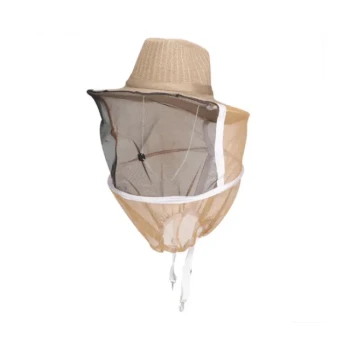
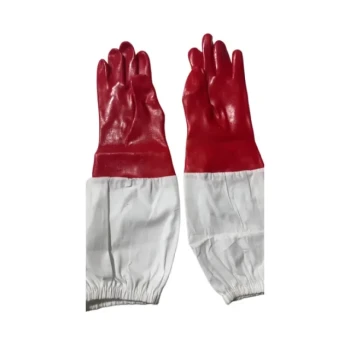
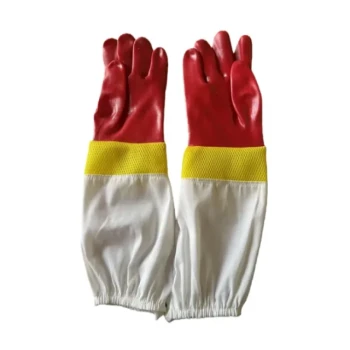
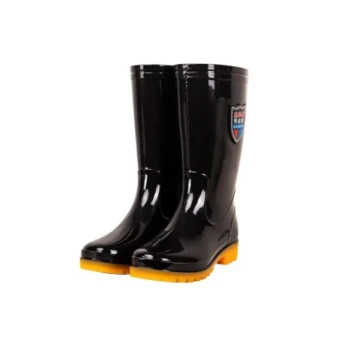
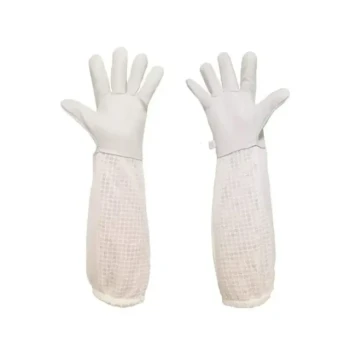
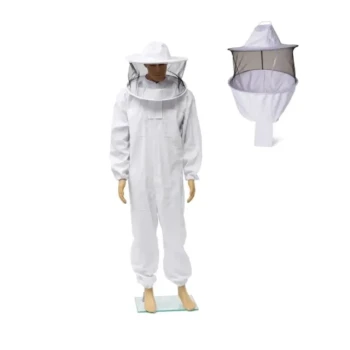
Professional protective equipment is the foundation of operational continuity in modern beekeeping. While its most obvious function is physical safety, its true value lies in enabling beekeepers to perform detailed, frequent, and complex management tasks without the distraction of potential injury. By removing the biological threat of stings, this equipment allows for a focus on "calm operational logic," directly translating to higher productivity and precision.
The Core Insight Protective gear is not just about avoiding pain; it is a productivity tool that stabilizes the working environment. By neutralizing the risk of stings, it allows operators to execute delicate tasks—such as queen rearing and disease control—with the steady hands and focus required for professional-grade results.
Transforming Safety into Precision
The primary driver of efficiency in an apiary is the operator's ability to work calmly. Protective gear acts as a psychological and physical barrier that shifts the focus from self-preservation to hive management.
Maintaining Operational Logic
Without adequate protection, a beekeeper's natural reaction to a defensive colony is to rush. Professional gear neutralizes this instinct. It allows technicians to maintain a steady pace and adhere to strict protocols during hive inspections and harvesting, ensuring no steps are skipped due to fear.
Reducing Human Error
Stings, or even the anticipation of them, lead to flinching and dropped frames. A secure environment minimizes these involuntary reactions. By reducing stress-induced interference, the operator can manipulate hives with accuracy, significantly lowering the rate of operational errors that could damage the colony or equipment.
Enabling Advanced Colony Management
Routine tasks can often be done with minimal gear, but high-value operations require absolute security. Professional equipment acts as an enabler for advanced techniques that drive profitability.
Facilitating Delicate Procedures
Tasks such as queen rearing, colony integration, and artificial feeding require fine motor skills and patience. High-strength, puncture-resistant gear allows beekeepers to perform these high-frequency internal operations without hesitation, even when colonies are agitated.
Managing Aggressive Genetics
In regions with highly sensitive or aggressive strains, such as Africanized honey bees, standard operations are impossible without professional-grade armor. Here, equipment dictates viability. It allows for routine management and disease control in scenarios that would otherwise be too dangerous to attempt, ensuring production continuity regardless of bee temperament.
Minimizing Biological Disruption
Operational efficiency also depends on the recovery time of the hive after an inspection. Clumsy or rushed interactions agitate bees, halting their production.
Reducing Bee Mortality
The primary reference notes that proper gear minimizes bee losses during handling. When operators work calmly, they crush fewer bees and provoke less release of alarm pheromones.
Preserving Natural Activity
Protective suits allow for "fully enclosed vision" and proximity without panic. This ensures that management tasks—like removing burr combs or splitting colonies—are completed without severely disrupting the colony's natural biological activities, allowing the bees to return to foraging faster.
Understanding the Trade-offs
While protective equipment is essential, it introduces specific constraints that a professional must manage to maintain peak efficiency.
The Dexterity Tax
Thick leather gloves offer maximum protection but sacrifice tactile feedback. In highly delicate operations, such as grafting larvae, heavy gloves can cause clumsiness that negates the efficiency gained by safety. Operators often must balance protection levels against the need for fine manipulation.
Heat and Stamina
Full-body suits create a microclimate that can lead to heat stress. While they protect against stings, they can reduce an operator's endurance during long shifts in hot weather. Efficiency can drop if the beekeeper becomes fatigued, requiring a balance between breathable materials and puncture resistance.
Making the Right Choice for Your Goal
Selecting the right protective tier is about balancing the risk of stings against the need for agility.
- If your primary focus is Mass Commercial Production: Prioritize heavy-duty, full-body suits to maximize speed and confidence across hundreds of hives, regardless of colony temperament.
- If your primary focus is Queen Breeding or Genetics: Prioritize lightweight veils and thin, nitrile or latex gloves to maximize tactile sensitivity and precision, even if it slightly increases sting risk.
- If your primary focus is Aggressive/Africanized Management: Prioritize multi-layered, fully sealed suits with high-strength fabrics to ensure operational viability and staff safety.
True efficiency is achieved when your equipment provides just enough protection to eliminate fear, without hindering the dexterity required for the task at hand.
Summary Table:
| Benefit Category | Impact on Efficiency | Key Operational Advantage |
|---|---|---|
| Psychological Safety | Maintains Operational Logic | Enables calm, methodical hive management without rushing due to fear. |
| Physical Protection | Reduces Human Error | Minimizes flinching and dropped frames, protecting both bees and equipment. |
| Advanced Tasks | Facilitates Delicate Procedures | Essential for high-precision work like queen rearing and colony integration. |
| Colony Health | Minimizes Biological Disruption | Reduces bee mortality and alarm pheromone release for faster hive recovery. |
| Environmental Control | Managing Aggressive Strains | Ensures operational viability in regions with highly defensive bee genetics. |
Scale Your Beekeeping Operations with HONESTBEE
At HONESTBEE, we understand that professional-grade equipment is the backbone of a profitable apiary. We cater specifically to commercial apiaries and distributors, providing a comprehensive wholesale portfolio designed for maximum operational efficiency.
Our offerings include:
- Premium Protective Gear: High-strength suits and veils that balance safety with the dexterity required for queen breeding.
- Industrial Machinery: Advanced hive-making and honey-filling machines to automate your production line.
- Essential Consumables: A wide array of beekeeping tools and hardware for daily maintenance.
- Cultural Merchandise: Unique honey-themed products to diversify your retail offerings.
Partner with a supplier that values your productivity as much as your safety. Contact HONESTBEE today to discuss our wholesale solutions and how we can support your business growth.
References
- A. B. Shrestha, Sajjad Hussain. Strengthening horizontal and vertical linkages for honey value chain development in the Hindu Kush Himalayan region. DOI: 10.1007/s41027-016-0019-2
This article is also based on technical information from HonestBee Knowledge Base .
Related Products
- Premium Cowboy Beekeeper Hat with Visibility Veil Outdoor Professional Beekeeping Protective Gear
- White Cotton Beekeeping Jacket and Veil for Bee Keepers
- Beekeeping Jacket with Hood and Veil for Beekeepers
- Beekeeper Cowboy Hat and Veil for Beekeeping
- Professional Square Folding Wire Mesh Beekeeping Veil
People Also Ask
- What design features contribute to the stability and fit of the beekeeper hat? Key Features for Maximum Hive Safety
- How is the beekeeper hat designed for comfort and practicality? Explore Key Features for Enhanced Apiary Safety
- What is the general protective gear recommendation for new beekeepers? Your Essential Beginner's Safety Guide
- How does beekeeping protective gear facilitate the queen bee selection process? Enhancing Precision in Queen Breeding
- What should beekeepers consider when choosing protective gear? A Guide for Maximum Safety & Comfort