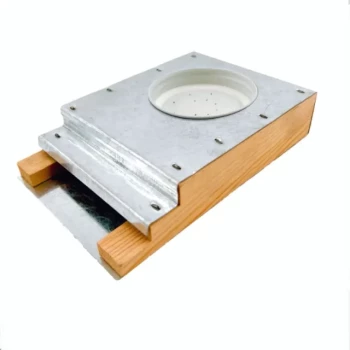
Supplemental feeding is a fundamental management strategy used to maintain colony survival and vitality when natural resources are unavailable. By introducing energy sources such as sugar water, raw honey, or fruit residues, beekeepers provide a critical stopgap that prevents starvation, discourages colony desertion, and preserves the workforce needed for future honey production.
Supplemental feeding is more than just emergency aid; it is a strategic lever for biological momentum. It allows the colony to maintain high egg-laying rates and population density during resource gaps, ensuring the hive is at peak strength the moment natural nectar flows begin.
Addressing the Resource Gap
Combating Natural Scarcity
Nature rarely provides a consistent food supply. Supplemental feeding provides necessary energy support during periods of "dearth"—times when natural nectar is scarce due to droughts, rainy seasons, or extreme weather.
Preventing Colony Desertion
When food stores run dangerously low, a colony may "abscond" or migrate in search of better resources. Providing a steady supply of sugar water or raw honey anchors the bees to the hive. This intervention effectively prevents colony loss caused by starvation or migration.
Strategic Colony Management
Preparing for the Honey Flow
The primary goal of a beekeeper is not just survival, but productivity. Feeding during non-harvest periods maintains the strength of the bee population. This ensures that when the peak natural honey flow arrives, a sufficient workforce is already prepared to harvest it immediately.
Stimulating Queen Productivity
The queen bee's egg-laying rate is directly tied to the incoming resource supply. Supplemental feeding mimics a natural nectar flow, stimulating the queen to continue laying eggs. This allows for rapid spring buildup, replacing older bees with a robust new workforce.
Improving Economic Returns
While feeding requires an investment in consumables like sugar, it directly influences economic outcomes. By shortening production cycles and increasing the survival rate of colonies, beekeepers secure higher yields per hive.
Technical Implementation
The Role of Syrup Concentration
Effective feeding often involves specific formulations, such as a high-concentration syrup (2 kg of sugar to 1 liter of water). This 2:1 ratio closely mimics natural nectar found during peak production.
A Carrier for Supplements
Sugar syrup serves as an excellent vehicle for other necessary treatments. Because the syrup is distributed throughout the colony via food sharing (trophallaxis), it ensures uniform delivery of hormonal substances or trace active ingredients necessary for colony health.
Common Pitfalls to Avoid
Attracting Predators
Supplemental feeding can attract unwanted attention if not managed correctly. Discarded wax or old bee food left near the apiary can lure predators, such as skunks, which pose a threat to the hive.
Hygiene and Disease
Cleanliness is paramount when introducing foreign food sources. While feeding supports health, poor sanitation around feeding equipment can lead to issues. Beekeepers must ensure that the feeding process does not compromise the biological safety of the colony.
Making the Right Choice for Your Goal
To maximize the effectiveness of supplemental feeding, align your method with your current objective:
- If your primary focus is Survival during Dearth: Provide sugar water or specialized candy immediately to prevent starvation and stop the colony from absconding.
- If your primary focus is Maximizing Harvest Yield: Begin feeding before the peak season to stimulate egg-laying and build a massive workforce ready for the first bloom.
- If your primary focus is Colony Health: Use high-concentration syrup (2:1) as a stable carrier to distribute necessary treatments or supplements throughout the hive.
Strategic feeding transforms beekeeping from a passive reliance on nature into an active management system that guarantees consistency and growth.
Summary Table:
| Feeding Goal | Recommended Method/Resource | Primary Benefit |
|---|---|---|
| Survival & Dearth | 1:1 or 2:1 Sugar Water / Candy | Prevents starvation and hive absconding |
| Population Buildup | Stimulative feeding (1:1 Syrup) | Encourages queen productivity & spring buildup |
| Harvest Preparation | Early season strategic feeding | Ensures a peak workforce for the first bloom |
| Health Treatments | 2:1 High-concentration Syrup | Even distribution of supplements via trophallaxis |
Maximize Your Apiary Productivity with HONESTBEE
At HONESTBEE, we understand that strategic feeding is only one part of a successful beekeeping operation. To truly scale your business, you need reliable tools and professional-grade machinery. We cater specifically to commercial apiaries and distributors, offering a comprehensive wholesale range that includes:
- Precision Machinery: Hive-making and honey-filling machines for industrial efficiency.
- Beekeeping Essentials: A full spectrum of professional tools and equipment.
- Industry Consumables: Every essential item to keep your colonies thriving.
- Cultural Merchandise: Unique honey-themed products to expand your market reach.
Whether you are looking to optimize your production line or source high-quality equipment for distribution, HONESTBEE is your trusted partner in global beekeeping success.
Contact Our Experts Today to discuss your wholesale needs and see how we can add value to your business!
References
- Bénéwendé Aristide Kaboré, Adrien Marie Gaston Bélem. Socioeconomic and technical characterization of beekeeping in Burkina Faso: case of the Center-West Region. DOI: 10.19182/remvt.36861
This article is also based on technical information from HonestBee Knowledge Base .
Related Products
- HONESTBEE Professional Entrance Bee Feeder Hive Nutrition Solution
- HONESTBEE Entrance Bee Feeder Professional Hive Nutrition Solution for Beekeeping
- HONESTBEE Round Hive Top Bee Feeder for Syrup
- HONESTBEE Entrance Bee Feeder Efficient Hive Front Liquid Feeding Solution for Beekeeping
- Rapid Bee Feeder White Plastic 2L Round Top Feeder for 8 or 10-Frame Bee Hives
People Also Ask
- What types of bee feeders are available for beginners? Start with the Simple Entrance Feeder
- What are the advantages and disadvantages of using an entrance feeder for bees? Balance Convenience and Hive Security.
- How does a bee entrance feeder work? A Simple Guide to Convenient Hive Feeding
- What is a bee entrance feeder and what are its drawbacks? Essential Guide to Hive Security and Feeding Efficiency
- How to make an entrance feeder for bees? A DIY Guide for Safe & Effective Feeding