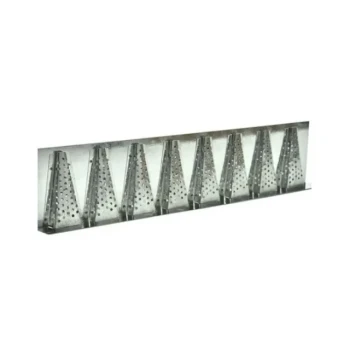
Entrance Reducers and Mouse Guards serve as the primary defensive perimeter for a honeybee colony during winter. The Entrance Reducer functions as a climate control device, significantly decreasing the flow of cold air to assist with internal temperature regulation. The Mouse Guard acts as a hardened security barrier, preventing rodents from entering the hive to destroy comb or steal resources.
Core Takeaway While the Entrance Reducer focuses on thermodynamic efficiency and the Mouse Guard focuses on physical security, their combined goal is energy conservation. By minimizing cold drafts and preventing rodent-induced panic, these tools allow the winter cluster to remain undisturbed and preserve vital calorie reserves.
Regulating the Internal Microclimate
Controlling Airflow and Temperature
The primary function of the Entrance Reducer is to decrease the surface area of the hive opening. By limiting this space, the device significantly restricts the volume of cold air capable of entering the hive.
This reduction allows the colony to maintain its internal temperature more efficiently. It reduces the workload on the bees, who must metabolize food to generate heat.
Maintaining Humidity Balance
Beyond temperature, the Entrance Reducer helps the colony manage humidity.
The primary reference notes that a reduced entrance aids in maintaining an optimal humidity balance. This prevents the hive from becoming too drafty and dry, while still allowing necessary air exchange.
Physical Security and Pest Exclusion
Preventing Rodent Intrusion
The Mouse Guard is a physical barrier specifically designed to stop pests. During winter, rodents often seek the warmth and shelter provided by a beehive.
Without a guard, mice can squeeze through standard entrances. Once inside, they can destroy wax combs and consume honey stores essential for the colony's survival.
Protecting the Hive Structure
The supplementary references highlight that these guards effectively prevent physical destruction.
Rodents inside a hive do not just steal warmth; they chew through frames and comb. A metal mouse guard ensures the structural integrity of the hive interior remains intact throughout the season.
The Impact on Colony Energy
Preserving the "Quiet Environment"
A critical, often overlooked aspect of overwintering is the need for a quiet environment.
Disturbances cause the bee cluster to break or spike in activity, which burns through honey reserves rapidly. By blocking pests, the Mouse Guard reduces physical disturbance and panic within the cluster.
Reducing Heat Consumption
The combined effect of these two components is a significant reduction in heat consumption.
The Entrance Reducer limits convective heat loss, and the Mouse Guard prevents the energy spikes associated with defense against intruders. This conservation of energy is directly linked to higher survival rates, as the colony is less likely to exhaust its stores before spring.
Understanding the Trade-offs
Balancing Ventilation and Insulation
While reducing the entrance is vital for heat retention, it is critical not to seal the hive entirely.
The goal is a balance of temperature and humidity. If an entrance is restricted too aggressively without any ventilation, internal moisture from the bees' respiration can accumulate.
Monitoring for Blockages
Because the entrance area is reduced, debris or dead bees can accumulate behind the reducer or guard more easily than in an open hive.
Regular, non-invasive checks are necessary to ensure the reduced opening remains clear. A blocked entrance prevents cleansing flights on warm days and disrupts the necessary airflow for the cluster.
Making the Right Choice for Your Goal
To maximize your colony's overwintering success, apply these tools with specific objectives in mind:
- If your primary focus is Thermal Regulation: Install the Entrance Reducer to restrict cold drafts and lower the caloric cost of maintaining the cluster's core temperature.
- If your primary focus is Asset Protection: Install a metal Mouse Guard to prevent the destruction of drawn comb and the theft of honey stores by seeking rodents.
By integrating both barriers, you ensure the colony faces the winter with a secure perimeter and a stable internal climate.
Summary Table:
| Feature | Primary Function | Key Benefit |
|---|---|---|
| Entrance Reducer | Controls airflow and limits opening size | Thermal regulation & caloric energy conservation |
| Mouse Guard | Physical barrier against pests | Prevents comb destruction & colony disturbance |
| Combined Effect | Climate & security management | Higher overwintering survival rates |
Maximize Your Colony’s Survival with HONESTBEE
Protecting your apiary during the harsh winter months requires more than just basic knowledge; it requires professional-grade equipment. At HONESTBEE, we specialize in supporting commercial apiaries and distributors with a comprehensive range of high-quality beekeeping tools. From durable metal mouse guards and precision entrance reducers to advanced hive-making machinery and honey-processing equipment, we provide everything your business needs to thrive.
Why partner with HONESTBEE?
- Wholesale Excellence: Full spectrum of beekeeping hardware and essential industry consumables.
- Industrial Solutions: Specialized machinery for hive production and honey filling.
- Global Support: Tailored offerings for large-scale distributors and commercial beekeepers.
Ensure your hives are fortified against the elements and pests. Contact us today to explore our wholesale catalog and expert solutions.
References
- Ashley L. St. Clair, Adam G. Dolezal. Honey bee hive covers reduce food consumption and colony mortality during overwintering. DOI: 10.1371/journal.pone.0266219
This article is also based on technical information from HonestBee Knowledge Base .
Related Products
- Beehive Entrance Reducer Guardian Metal Hive Entrance for Bees
- Steel Round Disc Entrance Reducer for Flexzion Bee Hive Nuc Box Gate
- 8-Cone Galvanized Steel Bee Robber Guard
- Professional Reversible Beehive Hive Entrance
People Also Ask
- Why are entrance reducers used to counter hornet infestations? Protect Your Hive with Strategic Choke Points
- What is the purpose of an entrance reducer for a beehive? Strengthen Colony Defense and Prevent Robbery
- What are the proper guidelines for using hive entrance reducers? Master Temperature Control & Colony Defense
- Why is it critical to maintain a smaller entrance for a newly established bee hive? Boost Colony Growth and Security
- What is the physical mechanism behind the use of hive entrance reducers? Protect Your Bees from Vespa velutina