The primary safety feature to prioritize when purchasing a bee smoker is a metal heat shield.
You should specifically look for a model that encloses the central fire chamber with a protective metal guard or wire frame. Because the stainless steel cylinder becomes extremely hot during combustion, this shield is the only barrier preventing direct contact with your skin, significantly reducing the risk of severe burns during operation.
The effectiveness of a bee smoker relies on maintaining heat, but operator safety relies on isolating that heat. A robust thermal guard is not an optional accessory; it is a fundamental requirement for handling the device safely while focusing on colony management.
The Mechanics of Smoker Safety
The Role of the Heat Shield
A bee smoker typically consists of a stainless steel cylinder where fuel is burned. Without protection, the external surface of this cylinder mirrors the intense internal temperature.
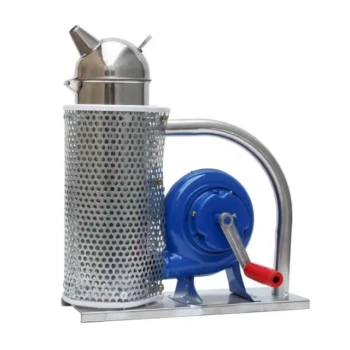
A metal heat shield or wire cage creates an air gap around the canister. This simple engineering feature allows you to handle or brush against the smoker without sustaining immediate thermal injuries.
Secondary Safety Features: The Mounting Hook
Beyond the shield, look for a model equipped with a side hook.
This hook allows you to hang the lit smoker on the side of the hive box. This prevents the need to place a hot smoker on the ground, where it could potentially ignite dry grass or tip over, creating a fire hazard.
Airflow and Bellows Integrity
A safe smoker is also a reliable one. High-quality models feature two distinct air pathways to manage the fire effectively.
Ensure the smoker has strong hinges and, ideally, replaceable bellows. Keeping the bellows in good repair ensures you can direct smoke precisely when needed, rather than struggling with a malfunctioning tool during a hive inspection.
Operational Safety Protocols
Fire Prevention Essentials
Buying the right smoker is only half the equation; operating it requires strict protocols.
Always keep a fire extinguisher, a fire broom, or several gallons of water nearby when the smoker is lit. During periods of extreme drought or high fire danger, consider foregoing the smoker entirely and using a spray bottle with water or alternative smoke-generating devices.
Proper Ash Disposal
Never dump hot ashes directly onto the ground.
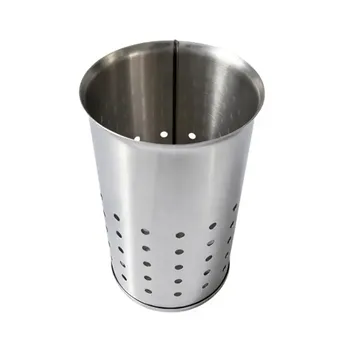
Beekeepers should utilize a small metal garbage can with a tight-fitting lid for transport and disposal. Ashes must be thoroughly wetted down or buried, and the smoker should be stored in the metal can during transport to contain heat and smell.
Fuel Toxicity Awareness
Safety extends to the air you and your bees breathe.
Ensure your fuel source is non-toxic. Avoid burning plants known to release harmful compounds, such as the Brazilian Pepper tree, as these can be hazardous to both the beekeeper and the colony.
Common Pitfalls to Avoid
The "False Security" of the Shield
Do not assume that a heat shield makes the device cool to the touch.
While the shield prevents immediate searing burns, it can still retain significant heat after prolonged use. Always exercise caution and remain aware of where the smoker is relative to your body.
Improper Storage
A common mistake is storing the smoker before it has fully extinguished.
Ensure the fire is completely out and the metal has cooled before putting the device away in a dry, well-ventilated area. Moisture accumulation during storage can lead to rust, compromising the structural integrity of the metal components over time.
Making the Right Choice for Your Goal
- If your primary focus is personal protection: Prioritize a model with a comprehensive metal heat shield or wire cage to prevent skin contact with the fire chamber.
- If your primary focus is fire prevention: Ensure the model has a sturdy mounting hook to keep the hot canister off the ground and away from dry vegetation.
- If your primary focus is equipment longevity: Select a smoker with replaceable bellows and store it in a dedicated metal container to prevent rust and damage.
True safety in the apiary comes from combining the right protective equipment with disciplined fire management protocols.
Summary Table:
| Safety Feature | Purpose | Benefit |
|---|---|---|
| Metal Heat Shield | Creates an air gap around the fire chamber | Prevents severe skin burns during operation |
| Mounting Hook | Allows hanging the smoker on the hive box | Prevents ground-level fire hazards and tipping |
| Reinforced Bellows | Ensures precise and reliable airflow | Better smoke control and equipment longevity |
| Stainless Steel Body | Resists corrosion and high temperatures | Durable structural integrity for long-term use |
Upgrade Your Apiary with Professional-Grade Equipment
At HONESTBEE, we understand that safety and efficiency are the foundations of a successful commercial beekeeping operation. As a leading global supplier, we provide commercial apiaries and distributors with high-performance beekeeping tools, from heat-shielded smokers to advanced honey-filling machines and specialized hardware.
Whether you are scaling your production or stocking the best consumables for your clients, our comprehensive wholesale offering is designed to meet your specific industrial needs. Partner with us to access durable, reliable, and innovative beekeeping solutions.
Ready to enhance your operation? Contact us today to explore our wholesale catalog!
Related Products
- Stainless Steel Honey Bee Smoker Hive and Honeycomb Smoker for Beekeeping
- Premium Traditional Copper Bee Smoker with Bellows
- Miniature Stainless Steel Bee Smoker for Beekeeping
- Professional Bee Smoker with Elongated Spout and Durable Bellows for Beekeeping
- European Stainless Steel Bee Smoker for Honey Bee Hive
People Also Ask
- What are bee smokers made out of? Choose the Right Material for Your Apiary
- Why is a stainless steel bee smoker considered indispensable? Master Hive Management with Cool Smoke Technology
- What type of bee smoker is recommended for a beginner? Top Picks for Easy Hive Management
- How should a beekeeper use a smoker when approaching a hive? A Guide to Calm, Safe Inspections
- What is the best material for a bee smoker? Choose the Right Fuel for a Calm Hive