Bee venom harvesting requires controls for both stings and concentrated venom exposure. Operators should use full-body beekeeping PPE, purpose-built collection equipment, strict site access controls, and an emergency medical plan that includes immediately available epinephrine. Once venom is dried or scraped from collection surfaces, it must also be treated as a concentrated irritant and respiratory hazard requiring laboratory-style PPE and contamination controls.
Core takeaway: Safe venom collection is not simply a matter of wearing a bee suit. It requires two separate protection strategies: preventing defensive stings during apiary work and preventing skin, eye, and respiratory exposure to dry venom.
Control the Two Main Hazards
Defensive stings in the apiary
Honeybees sting primarily when defending the colony. Venom harvesting can increase agitation, so operators should assume that sting exposure may be higher than during routine hive inspection.
Use full protective clothing, including:
- A ventilated beekeeping suit
- A securely fitted fencing or round veil
- Durable leather or nitrile gloves
- Hive boots or ankle gaiters that close gaps around the feet
Light-colored clothing is generally preferable, and strong odors should be avoided. Sudden movements, loud noise, vibration, and rough handling of frames can increase defensive behavior.
Venom toxicity and sensitization
Bee venom contains biologically active compounds, including melittin and hyaluronidase. These compounds contribute to pain, tissue irritation, and the rapid spread of venom through tissue.
Even people who have previously tolerated bee stings can become sensitized after repeated exposure. A workplace should therefore treat every operator as potentially vulnerable to a serious allergic reaction.
Dry venom dust
Dried venom presents a different hazard from a live colony. Scraping or transferring dried material can release fine particles that irritate the skin, eyes, and respiratory tract.
Operators handling dry venom or collection plates should wear:
- A protective laboratory gown or equivalent coverall
- Chemical-resistant protective gloves
- Safety glasses or sealed eye protection
- A suitable dust mask or respirator selected for the work environment
A basic cloth mask should not be assumed to provide adequate protection against fine venom dust. Respiratory protection should be selected, fitted, and maintained under the applicable workplace safety requirements.
Use the Right Protective Equipment
Choose complete, sealed beekeeping PPE
A suit is only effective if it prevents entry points. Check the condition of zippers, veil attachments, cuffs, glove interfaces, and boot or ankle seals before beginning work.
Do not rely on partial protection in a high-sting environment. Exposed wrists, ankles, neck areas, or gaps around the veil can become critical vulnerabilities when colonies are agitated.
Add eye, skin, and respiratory protection for dry venom
Protective clothing used around hives does not automatically protect against airborne venom powder. Dry venom handling should take place with laboratory-style controls and PPE.
Keep dry venom away from the face, avoid actions that create unnecessary dust, and use procedures that minimize scraping and uncontrolled transfer. Eye protection is particularly important because venom can severely irritate mucous membranes.
Maintain cleanable equipment and work surfaces
All collection and processing equipment should be thoroughly cleaned after use. Cleaning procedures should prevent contaminated residue from being spread to handles, doors, clothing, or shared work surfaces.
People who are not involved in collection or processing should be kept away from contaminated equipment and materials.
Select and Manage Collection Equipment Carefully
Use purpose-built venom collection hardware
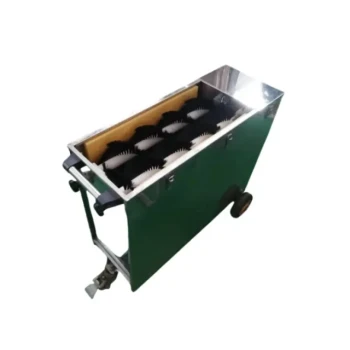
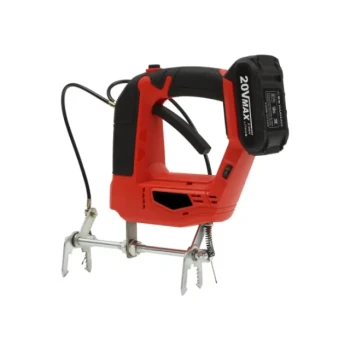
Venom should be collected only with equipment designed for that purpose and operated according to the manufacturer’s instructions. The collection system should allow the operator to maintain a safe working position and avoid unnecessary contact with agitated bees or exposed venom residue.
Before use, inspect the collection hardware for damage, contamination, and loose or inaccessible components. Equipment should be easy to clean and should not create avoidable exposure during removal or transfer of dried venom.
Separate collection from dry-venom processing
The collection area and the dry-venom handling area should be treated as separate risk zones wherever practical. This prevents live-colony activity, clothing, tools, and airborne particles from being managed as one uncontrolled process.
Use dedicated containers and tools for venom handling. Keep collected material closed and clearly identified when it is not being actively processed.
Control electrical and operational hazards
Where collection hardware uses powered components, operators should follow the equipment’s electrical safety instructions and prevent contact with damaged wiring, wet surfaces, or improperly secured parts.
Do not modify specialized hardware in ways that could increase bee agitation, electrical risk, contamination, or operator exposure. Maintenance should be performed only by competent personnel.
Reduce Sting Risk Through Apiary Practices
Work with calm, managed colonies
Colony temperament, weather, time of day, and handling technique all influence sting risk. Work should be planned for stable, suitable conditions, and colonies should be handled calmly and deliberately.
Operators should avoid unnecessary inspections or harvesting activity during conditions that make colonies unusually defensive.
Use a smoker correctly
A stainless steel bee smoker with an appropriate bellows can help disrupt alarm pheromones and calm the colony. Smoke should be applied in a controlled manner; excessive or improperly managed smoke can create additional risks and may not improve colony behavior.
The smoker must be maintained, safely fueled, and positioned so that hot surfaces or embers do not create a fire hazard.
Handle hive components smoothly
Frames and woodenware should be moved slowly. Avoid sudden jerks, loud cracking sounds from breaking propolis, and actions that compress or crush bees.
Plan the work before opening the hive so that tools, containers, PPE, and emergency equipment are immediately accessible.
Protect Other People and the Site
Establish an exclusion zone
The risk is not limited to the person operating the collection equipment. Agitated bees can move beyond the immediate apiary, while contaminated materials can expose people who did not participate in the work.
Restrict access to the collection and processing area. Use clear signage, barriers, and procedures to prevent visitors, contractors, children, and untrained employees from entering.
Consider downwind and neighboring areas
Site planning should account for people who may be several hundred meters away, especially when bees are highly agitated or when dry venom could become airborne.
Position collection and processing activities away from public routes, occupied buildings, and unnecessary personnel. Consider wind direction, nearby residences, adjacent businesses, and shared access roads before starting work.
Control contaminated clothing and materials
Do not carry contaminated gloves, gowns, collection plates, or tools into clean offices, vehicles, break areas, or public locations. Store and transport contaminated items in closed, labeled containers.
Work clothing should be removed and managed in a way that prevents venom residue from being transferred to skin, furniture, or other workers.
Prepare for Severe Allergic Reactions
Keep emergency epinephrine immediately available
Commercial apiaries and venom-handling operations should maintain epinephrine auto-injectors or other appropriately prescribed emergency devices on-site, readily accessible, and within their expiry dates.
The location must be known to every worker. Personnel should be trained to recognize a severe reaction and use the device according to its instructions and the organization’s emergency procedures.
Do not rely on epinephrine alone
Epinephrine is an emergency intervention, not a replacement for medical care. A suspected anaphylactic reaction requires activation of local emergency services and urgent medical assessment, even if symptoms initially improve.
The operation should maintain a written emergency plan covering communication, site access for responders, transport arrangements, first-aid responsibilities, and incident reporting.
Screen and train personnel
Workers should be informed about sting and venom hazards before being assigned to the task. Anyone with a known severe allergy should obtain appropriate medical guidance before working in a high-sting or venom-handling environment.
Training should cover PPE inspection, smoker use, hive handling, equipment operation, dry-venom hygiene, emergency response, and contamination control.
Understanding the Trade-offs
More protection can reduce dexterity
Full suits, gloves, eye protection, and respirators reduce exposure but can make delicate hive work more difficult. Poorly fitting equipment may cause fatigue, impaired visibility, heat stress, or accidental handling errors.
The solution is not to remove PPE. Select properly fitted, ventilated equipment and schedule breaks without entering an active hazard area unprotected.
Productivity must not override exposure controls
Increasing collection frequency or processing speed can increase colony agitation and operator exposure. A faster workflow is valuable only if it preserves safe distances, clean handling, and adequate recovery time.
For commercial operations, consistent procedures and reliable equipment are more important than maximizing output during a single work session.
Basic beekeeping gear is not laboratory PPE
A bee suit helps prevent stings but does not adequately control dry venom dust. Conversely, laboratory gloves and a mask do not protect a worker from an agitated colony.
The work requires both protection systems, applied at the correct stage of the process.
Supply reliability is part of safety
For distributors and B2B resellers, safety depends on more than selling individual products. Customers need a dependable source for complete systems: protective suits, veils, gloves, boots, smokers, collection hardware, dry-venom PPE, storage supplies, and replacement components.
A one-stop supply model can reduce compatibility gaps and prevent operations from improvising when a critical item is unavailable.
How to Apply This to Your Operation
Use the following priorities when specifying equipment or preparing a commercial apiary workflow:
- If your primary focus is live-colony venom collection: Equip every operator with a complete, well-fitted beekeeping suit, veil, gloves, and sealed footwear, then add purpose-built collection hardware and a maintained smoker.
- If your primary focus is dry venom processing: Establish a controlled handling area with gowns, chemical-resistant gloves, protective eyewear, and suitable respiratory protection, supported by dedicated cleaning and storage procedures.
- If your primary focus is emergency preparedness: Keep accessible, in-date epinephrine devices, a written response plan, trained personnel, and reliable communication with emergency services.
- If your primary focus is protecting nearby personnel: Create an exclusion zone, use signage and barriers, assess wind direction, and keep uninvolved people away from active collection and contaminated materials.
- If your primary focus is commercial sourcing: Select suppliers that can provide compatible PPE, collection equipment, consumables, replacement parts, and rapid fulfillment rather than relying on fragmented purchases.
- If your primary focus is operational consistency: Standardize equipment inspections, hive-handling methods, cleaning procedures, worker training, and incident documentation.
A safe venom operation is built by combining complete PPE, disciplined apiary technique, controlled processing, and dependable emergency readiness.
Summary Table:
| Hazard Type | Required PPE / Equipment | Key Controls |
|---|---|---|
| Defensive stings | Full bee suit, veil, gloves, boots | Use smoker, handle frames calmly, work in stable conditions |
| Venom toxicity | Epinephrine auto-injectors | Emergency plan, immediate medical access |
| Dry venom dust | Lab gown, chemical gloves, goggles, respirator | Dedicated processing area, minimize dust |
| Electrical hazards | Inspect equipment, follow safety instructions | Regular maintenance by competent personnel |
| Site risks | Signage, barriers, exclusion zones | Control access, consider wind direction |
At HONESTBEE, we provide a comprehensive range of beekeeping equipment and PPE tailored for professional apiaries and distributors. From full protective suits to venom collection systems and dry-venom handling gear, our one-stop sourcing ensures you get compatible, high-quality products with fast delivery. Contact us today to secure your supply chain and enhance operational safety — reach out now.
Related Products
- Full Set Beekeeping Electronic Bee Venom Collector Machine Device for Bee Venom Collecting
- Stainless Steel Pollen Shovel with Wooden Handle
- Plastic Bee Pollen Trap Strips Comb Catcher Collector
- Heavy-Duty Ergonomic Grip Galvanized Pollen Shovel
- Commercial Grade Vertical Electric Bee Sweeper for Bee Removal
People Also Ask
- How does the glass plate integrated into a bee venom collector contribute to maintaining quality and purity?
- What is the function of specialized collection equipment in the production process of bee venom? Expert Guide
- What is the significance of using specialized bee venom collection devices in commercial beekeeping operations?
- Why are bee venom collection devices typically mounted on specialized wooden carrier boards? Maximize Yield & Purity.
- How does a dedicated bee venom collection device operate? Extract Pure Venom Safely Without Harming Your Bees