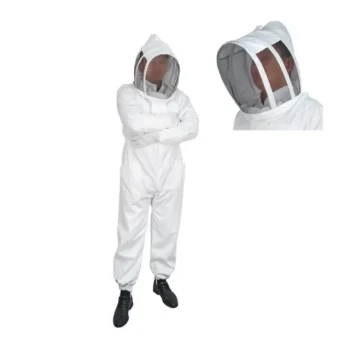
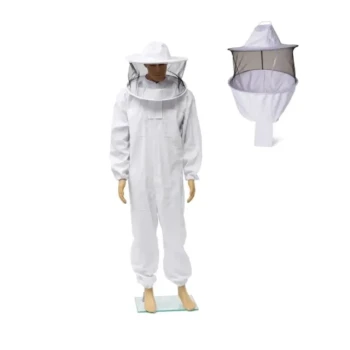
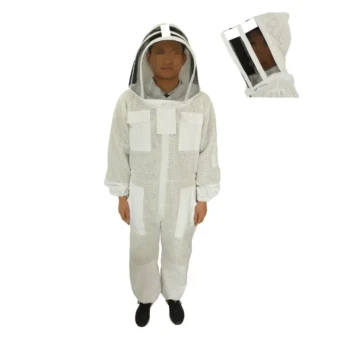
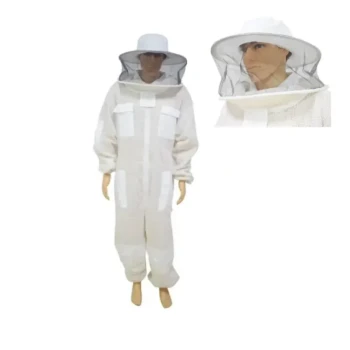
The single most critical factor to verify regarding a beekeeping suit in a starter kit is the sizing. Because the suit is strictly intended to be worn over your regular clothes, it must be sized slightly larger than your standard measurements to ensure a secure and comfortable fit.
The effectiveness of a beekeeping suit is not just about the fabric; it is about the geometry of the fit. A suit that is too tight restricts movement and compresses layers, eliminating the necessary air gap that prevents stings from reaching your skin.
Evaluating Fit and Mobility
The Layering Requirement
A common error for beginners is selecting a suit based on their t-shirt or jacket size. You must account for the bulk of the jeans, sweaters, or shirts you will wear underneath.
Freedom of Movement
If a suit fits too snugly, it will pull tight against your skin when you bend or reach. This tension eliminates the protective buffer zone, making it easier for a bee's stinger to penetrate the fabric and reach your body.
Material Composition and Environment
Fabric Durability
High-grade suits found in quality kits are typically constructed from cotton, polyester, or a durable blend. The material must be robust enough to withstand potential snags on hive equipment while maintaining structural integrity.
Climate Considerations
Your local weather plays a major role in suit selection. In warmer climates, a ventilated suit is highly recommended to prevent heat exhaustion during long inspections in the sun. Thicker fabrics offer substantial protection but can become dangerous if they cause you to overheat.
Critical Protective Features
Sealing the Entry Points
Bees naturally crawl upwards, making leg and arm openings vulnerable. Ensure the suit features high-quality elasticated cuffs and ankles to create a tight seal that prevents bees from entering the suit.
Reinforced Construction
Look for reinforced stitching and durable zippers. These stress points are the first to fail with frequent use, and a broken zipper in the apiary compromises your safety immediately.
Veil Safety
The veil is your primary facial protection. It should utilize non-flammable mesh, ensuring safety when working with a smoker, and provide clear visibility.
Hygiene and Maintenance
Ease of Cleaning
Hygiene is essential for preventing the spread of diseases between different colonies. A suit that is machine washable offers significant maintenance advantages over one that requires hand-washing.
Detachable Components
Suits with detachable veils are superior for long-term maintenance. Removing the veil simplifies the washing process and prevents damage to the delicate mesh during storage or cleaning.
Understanding the Trade-offs
Convenience vs. Customization
Starter kits offer the advantage of bundled convenience and ensured compatibility of hive parts. However, the included suit is often a "standard" option that may not account for your specific body type or extreme local weather conditions.
Protection vs. Comfort
There is an inherent trade-off between fabric weight and breathability. Lightweight suits are excellent for hot weather comfort but may offer less sting protection than heavy-duty canvas or thick cotton options. Conversely, a thick suit offers maximum security but can be physically draining to wear in high summer.
Making the Right Choice for Your Goal
To ensure your starter kit provides lasting value, evaluate the included suit against your specific context:
- If your primary focus is working in hot climates: Prioritize a suit with ventilation panels or breathable synthetic mesh to ensure safety from heat exhaustion.
- If your primary focus is maximum durability: Look for heavy-duty cotton or blends with reinforced knees and pockets, accepting that it will be warmer to wear.
- If your primary focus is hygiene and longevity: Ensure the veil is fully detachable and the main body of the suit is machine washable.
The right suit is not just a uniform; it is a piece of safety infrastructure that must fit your body and your environment perfectly.
Summary Table:
| Feature | Key Consideration | Importance for Beginners |
|---|---|---|
| Sizing | Must fit over regular clothing | Prevents stings by maintaining an air gap |
| Material | Cotton/Poly blends or Ventilated mesh | Balances durability with heat management |
| Seals | Elasticated cuffs and ankles | Prevents bees from crawling inside the suit |
| Veil | Non-flammable mesh & detachable | Ensures facial safety and easy maintenance |
| Durability | Reinforced stitching & heavy-duty zippers | Prevents gear failure during hive inspections |
Elevate Your Apiary with Professional-Grade Gear
At HONESTBEE, we understand that the right protection is the foundation of successful beekeeping. Whether you are a commercial apiary scaling up or a distributor seeking high-quality wholesale solutions, we provide the full spectrum of industry-leading equipment.
From heavy-duty protective suits and specialized beekeeping tools to advanced hive-making and honey-filling machinery, our portfolio is designed to enhance your operational efficiency and safety. We also offer a wide array of essential consumables and honey-themed cultural merchandise to support every aspect of your business.
Ready to equip your business with the best in the industry? Contact HONESTBEE Today to explore our comprehensive wholesale offerings and discover how our expertise can drive your success.
Related Products
- Premium Cotton Beekeeper Suit with Reinforced Fencing Veil
- Professional Cotton Beekeeper Suit with Round Veil Design for Commercial Apiaries
- Professional Beekeeper Suit with Square Folding Cotton Veil
- Vented Beekeeping Jacket with Hood and Veil for Beekeepers
- White Cotton Beekeeping Jacket and Veil for Bee Keepers
People Also Ask
- What material and design specifications are recommended for a high-quality beekeeper suit? Top Gear Selection Guide
- How to Pre-treat Propolis Stains on Beekeeping Suits? Master Advanced Fabric Care and Soil Removal
- What features should be considered for sting protection in a beekeeping suit? Ensure Total Safety and Comfort
- What are the differences between full suits and jackets with veils in beekeeping? Choose Your Best Protection
- What features should be looked for in a beekeeping suit for maximum comfort? Prioritize Ventilation and Fit