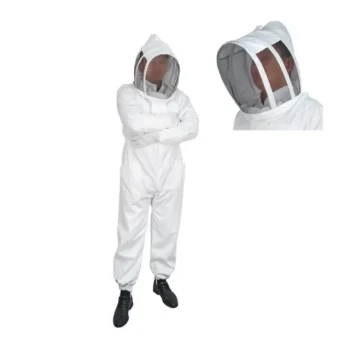
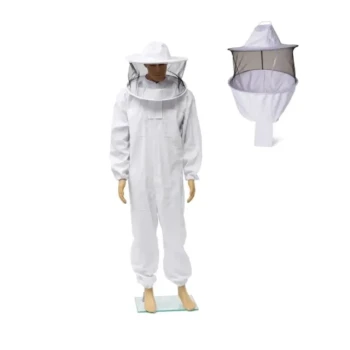
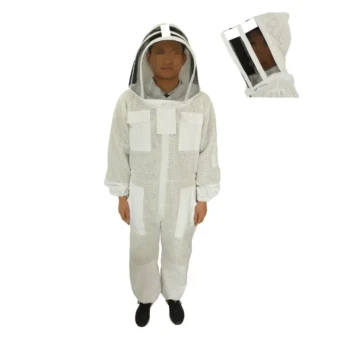
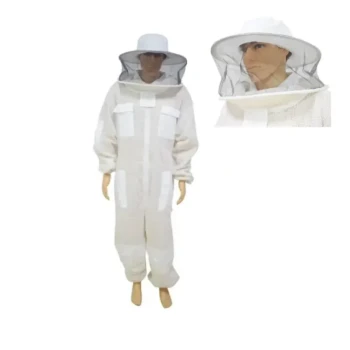
Ease of maintenance is a critical factor when selecting a beekeeping suit, as it directly impacts hygiene and the health of your colonies. To ensure manageable upkeep, prioritize a suit that is machine washable or features components, such as detachable veils, that simplify the cleaning process. Regular maintenance is not merely about appearance; it preserves the suit's protective qualities and prevents the spread of diseases between hives.
Proper maintenance is essential for preventing the cross-contamination of bee diseases and extending the lifespan of your protective gear. Select a suit with detachable parts and durable fabrics to make regular cleaning and storage manageable.
The Importance of Hygiene and Longevity
Preventing Disease Spread
A dirty suit is a biological risk. Regular cleaning is vital to remove contaminants that could carry diseases from one bee colony to another.
Preserving Protective Qualities
Accumulated honey, propolis, and sweat can degrade fabric over time. Consistent maintenance ensures the material remains intact and continues to offer effective protection against stings.
Extending Suit Lifespan
Suits represent an investment. By keeping the fabric clean and inspecting it regularly, you significantly extend the usable life of the garment.
Key Features for Maintainability
Machine Washability
For maximum convenience, choose a suit that is machine washable. This feature saves significant time and effort compared to suits that strictly require hand-washing.
Detachable Components
The veil is often the most fragile part of the suit. A design with a detachable veil allows you to machine wash the heavy-duty body of the suit while gently hand-washing the delicate screen.
Material Durability
High-grade materials, such as polycotton blends or durable synthetics, often withstand frequent washing better than basic cotton. Reinforced stitching and durable zippers ensure the suit holds up during the cleaning cycle.
Routine Care and Storage
Post-Use Cleaning
Ideally, the suit should be washed after every use. This prevents propolis and honey from hardening in the fabric fibers, which can become difficult to remove later.
Regular Inspection
During maintenance, inspect the suit for tears or holes. Promptly repairing these defects maintains the suit's integrity and prevents bees from entering.
Proper Storage
Once clean, store the suit in a dry place away from direct sunlight. UV exposure and dampness can degrade the fabric and elastic components, reducing safety.
Understanding the Trade-offs
Durability vs. Comfort
While cotton is breathable and soft, it may stain more easily and degrade faster than synthetic blends. Polycotton offers a balance of durability and comfort but may not be as cool as pure cotton or specialized vented fabrics.
Cleaning Intensity vs. Mesh Fragility
While the body of the suit may be rugged, the veil mesh is susceptible to damage. Aggressive washing can tear the mesh, rendering the suit unsafe, which is why detachable designs are superior for maintenance.
Making the Right Choice for Your Goal
To select the best suit for your specific needs, consider the following:
- If your primary focus is convenience: Prioritize a suit with a fully detachable veil and machine-washable fabric to minimize manual labor.
- If your primary focus is longevity: Choose heavy-duty polycotton blends with reinforced stitching and commit to a strict regimen of washing and inspecting after every use.
- If your primary focus is hygiene: Ensure the suit can withstand high-frequency washing without losing its shape or protective density.
A well-maintained suit is the first line of defense for both the beekeeper and the apiary.
Summary Table:
| Maintenance Feature | Benefit to Beekeeper | Impact on Colony |
|---|---|---|
| Machine Washability | Saves time and simplifies routine cleaning | Ensures frequent removal of pathogens |
| Detachable Veil | Protects delicate mesh while washing body | Prevents stings caused by damaged screens |
| Durable Material | Extends suit lifespan and resists tearing | Maintains a reliable biological barrier |
| Regular Inspection | Identifies holes before they lead to stings | Ensures the beekeeper remains calm and safe |
Maximize Your Apiary's Efficiency with HONESTBEE
At HONESTBEE, we understand that commercial apiaries and distributors require gear that is as durable as it is easy to maintain. A well-kept beekeeping suit is essential for preventing cross-contamination and ensuring long-term protection.
We provide a comprehensive wholesale offering, supplying everything from heavy-duty protective suits to specialized hive-making and honey-filling machinery. Whether you are looking for high-quality beekeeping tools or unique honey-themed cultural merchandise, HONESTBEE delivers the value and reliability your business needs.
Ready to upgrade your equipment? Contact us today to explore our wholesale catalog and see how we can support your growth!
Related Products
- Premium Cotton Beekeeper Suit with Reinforced Fencing Veil
- Professional Cotton Beekeeper Suit with Round Veil Design for Commercial Apiaries
- Professional Beekeeper Suit with Square Folding Cotton Veil
- Vented Beekeeping Jacket with Hood and Veil for Beekeepers
- White Cotton Beekeeping Jacket and Veil for Bee Keepers
People Also Ask
- What material and design specifications are recommended for a high-quality beekeeper suit? Top Gear Selection Guide
- How to Pre-treat Propolis Stains on Beekeeping Suits? Master Advanced Fabric Care and Soil Removal
- What features should be considered for sting protection in a beekeeping suit? Ensure Total Safety and Comfort
- What are the differences between full suits and jackets with veils in beekeeping? Choose Your Best Protection
- What features should be looked for in a beekeeping suit for maximum comfort? Prioritize Ventilation and Fit