Commercial queen bee rearing requires precision grafting equipment, standardized cell hardware, protective cages, and mating nucleus hives. The core setup includes larval grafting tools, cell bar frames, plastic or wax queen cell cups, queen cell protectors, push-in cages, and mating nucs. Larger operations may also require starter and finisher hive components, queen transport or introduction cages, and queen marking supplies.
The essential principle is controlled handling: grafting tools protect fragile larvae, cell hardware standardizes queen-cell development, protective cages prevent losses, and mating nucs provide a managed environment for virgin queens to mate.
What Commercial Queen Rearing Equipment Must Accomplish
Protect Young Larvae During Transfer
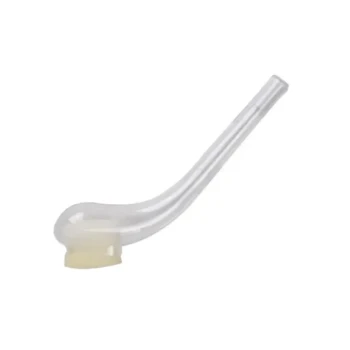
Grafting tools are fine manual instruments used to lift young worker larvae from brood cells and place them into artificial queen cell cups.
The tool must allow the operator to transfer larvae without physical injury, excessive handling, or flipping the larva into an unsuitable position. Ergonomic design and consistent technique are especially important when completing many grafts per production cycle.
Create a Consistent Rearing Environment
Artificial cell cups provide standardized locations for grafted larvae. They are typically made from molded plastic or beeswax and are attached to cell bars held inside dedicated frames.
Once introduced into an appropriate rearing colony, nurse bees feed the larvae and build full queen cells around the cups. Standardized cups and frames make queen production easier to inspect, manage, and scale.
Support Queen Mating and Introduction
After queen cells mature, virgin queens require a small colony in which to emerge, take mating flights, and begin establishing themselves. Mating nucs, or nucleus hives, provide this compact operating environment with a relatively small bee population.
Protective cages and queen introduction equipment help prevent damage to developing queen cells or rejection of queens during movement between colonies.
Essential Tools and Supplies
Precision Grafting Tools
A commercial grafting station should include specialized larval grafting instruments rather than improvised probes or general-purpose tools.
Common requirements include:
- Fine grafting needles, probes, or spoon-style instruments
- Ergonomic handles for repetitive work
- A clean working area for preventing contamination
- Adequate lighting for locating and lifting very young larvae
The correct tool is only effective when paired with careful handling. The objective is to move the larva with minimal disruption while preserving its orientation.
Cell Bar Frames
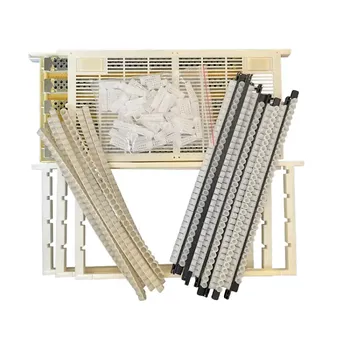
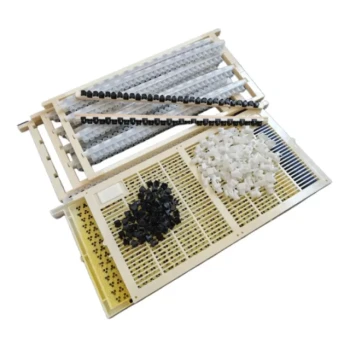
Cell bar frames hold the bars onto which queen cell cups are attached. They are designed to be suspended inside a hive or rearing colony so that nurse bees can access the grafted larvae.
Frames may use wooden or plastic components, depending on the operation’s hive standard, durability requirements, and preferred workflow. Compatibility with existing hive bodies and frame dimensions is essential for efficient handling.
Wooden or Plastic Cell Bars
Cell bars provide the attachment surface for individual queen cell cups. They allow breeders to organize multiple grafts in a repeatable arrangement and remove developing queen cells for inspection or transfer.
For commercial use, cell bars should be durable, dimensionally consistent, and easy to clean or replace. Standardized spacing also improves handling during inspection and harvesting.
Queen Cell Cups
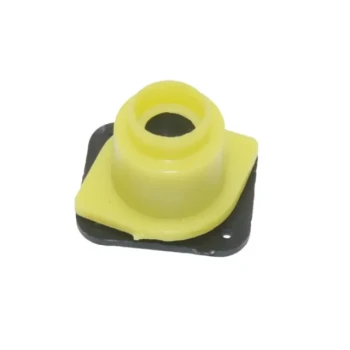
Queen cell cups are the artificial bases into which young larvae are grafted. They are available in wax and molded plastic versions.
Wax cups can fit naturally into a beeswax-based workflow, while plastic cups offer consistency and convenience for repeated production. The correct choice depends on the breeder’s process, labor model, equipment compatibility, and customer requirements.
Starter and Finisher Hive Components
Grafted larvae need to be placed into colonies capable of accepting and developing them. Commercial systems commonly use dedicated starter and finisher hive components or other prepared queen-rearing colonies.
These components support the transition from initial larval acceptance to continued queen-cell development. They should be compatible with the operation’s frames, cell bars, colony-management practices, and production volume.
Queen Cell Protectors and Push-In Cages
Mature queen cells can be vulnerable to destruction by resident queens or worker bees. Queen cell protectors and push-in cages are attached over individual cells to reduce this risk during introduction or colony management.
These protective supplies are particularly useful when timing the emergence of queens, moving cells between colonies, or preventing premature interaction with other developing queen cells.
Mating Nucs
Mating nucs are compact nucleus hive boxes used to house small mating colonies. Their reduced size makes them practical for managing multiple virgin queens with limited bee populations and space.
A commercial supplier should offer mating nucs in configurations that match the beekeeper’s preferred frames, colony size, insulation requirements, and transport workflow. Standardization matters when many nucs are operated and serviced together.
Queen Transport and Introduction Cages
Queen cages protect queens during shipment, temporary holding, and introduction into recipient colonies. They are separate from cell protectors, which are designed primarily for developing queen cells.
For commercial distribution, cage design must support secure handling and appropriate introduction procedures. The cage should also fit the operation’s packaging, labeling, and delivery process.
Queen Marking Supplies
Commercial breeders may use marking pens, tags, or related identification supplies to distinguish queens and support stock management.
Marking equipment is useful for tracking queen age, lineage, mating batches, and customer orders. It should be applied with care so identification does not compromise queen health or handling safety.
How the Equipment Fits Together
The Grafting Stage
The breeder selects young worker larvae and transfers them into artificial cell cups using a precision grafting tool.
The cups are mounted on cell bars, and the bars are installed in a suitable queen-rearing colony. The objective is to create repeatable conditions for nurse bees to accept and develop the grafts.
The Cell-Building Stage
Nurse bees extend the artificial cups into queen cells and continue feeding the developing larvae.
Cell bar frames make it possible to inspect, organize, and move these developing cells while minimizing unnecessary disturbance. Starter and finisher components may be used to support different phases of development.
The Protection and Transfer Stage
As queen cells mature, protectors or push-in cages help prevent damage and unintended destruction.
Mature cells can then be transferred according to the production schedule, including placement into mating nucs or preparation for queen emergence and introduction.
The Mating Stage
Virgin queens are housed in mating nucs while they complete mating flights and begin establishing their reproductive role.
The nucs provide a manageable unit for monitoring queen performance before the queens are integrated into full-size colonies or prepared for commercial distribution.
Understanding the Trade-offs
Manual Grafting Versus Non-Grafting Systems
The Doolittle grafting method is widely used for scalable queen production because it gives breeders direct control over larval selection and cell placement.
However, manual grafting requires trained labor, fine motor control, suitable lighting, and consistent handling. Non-grafting plug systems can reduce manual transfer, but they may require different equipment and workflow standards.
Plastic Cups Versus Wax Cups
Plastic cups provide uniformity and can simplify repeat production, inventory management, and replacement.
Wax cups may suit operations that prefer a more traditional material or want to integrate cups directly into a wax-based system. The choice should be based on acceptance performance, labor requirements, durability, and compatibility with the rest of the equipment.
Small Nucs Versus Larger Mating Colonies
Mating nucs use fewer bees and less space than full-size colonies, allowing more queens to be managed within a given apiary footprint.
Their smaller scale also means they require careful population management and close monitoring. The appropriate nuc design depends on local conditions, operating scale, and the breeder’s management system.
Low-Cost Tools Versus Ergonomic Equipment
Basic grafting tools may reduce initial purchasing costs, but poor ergonomics or inconsistent construction can increase handling difficulty and labor fatigue.
For commercial operations, tool consistency and operator comfort influence throughput and repeatability. Reliable suppliers should provide standardized equipment, replacement parts where applicable, and responsive technical support.
Sourcing for Commercial Operations
Build a Complete Product Portfolio
A one-stop sourcing program should cover the full workflow: grafting tools, cell cups, cell bars, frames, protectors, push-in cages, mating nucs, and queen transport equipment.
This reduces compatibility problems and simplifies purchasing for distributors, wholesalers, and commercial apiaries.
Confirm Hive-System Compatibility
Before ordering, verify frame dimensions, cell bar spacing, cup attachment methods, and mating nuc configurations.
Equipment that does not match the beekeeper’s existing hive components can create avoidable labor, modification, and fulfillment issues.
Prioritize Supply Continuity
Queen rearing depends on repeatable access to consumable items such as cell cups, grafting accessories, cages, and replacement frame hardware.
Distributors should evaluate stock depth, order accuracy, response times, and delivery capability alongside unit price. Consistent fulfillment is part of the product’s commercial value.
Making the Right Choice for Your Goal
The best equipment package depends on production scale, labor capability, hive standards, and whether the operation sells queens, supplies, or complete rearing systems.
- If your primary focus is commercial queen production: Prioritize precision grafting tools, standardized cell bar frames, reliable cell cups, starter and finisher components, protective cages, and sufficient mating nuc capacity.
- If your primary focus is distribution or wholesale supply: Build a compatible full-spectrum portfolio with dependable inventory, clear specifications, rapid response, and efficient multi-item order fulfillment.
- If your primary focus is reducing manual labor: Evaluate non-grafting plug systems alongside ergonomic grafting tools, while preserving compatibility with existing cell bars and rearing colonies.
- If your primary focus is queen transport and introduction: Stock queen cages, cell protectors, push-in cages, and marking supplies that support secure identification and handling throughout the delivery process.
With the right standardized equipment and dependable supply partner, commercial queen breeders can make delicate larval handling more repeatable and manage production at scale.
Summary Table:
| Category | Specific Tools/Supplies | Purpose |
|---|---|---|
| Grafting | Fine grafting needles, probes, spoon-style instruments, ergonomic handles | Transfer larvae safely |
| Cell Hardware | Cell bar frames, cell bars, queen cell cups (wax/plastic) | Standardize queen cell development |
| Protection & Introduction | Queen cell protectors, push-in cages, queen transport/introduction cages | Prevent loss and ensure acceptance |
| Mating | Mating nucs (nucleus hives) | House virgin queens for mating |
| Identification | Queen marking pens/tags | Track queen age and lineage |
Equip your commercial queen rearing operation with high-quality grafting tools, cell cups, mating nucs, and more. At HONESTBEE, we offer a full spectrum of beekeeping equipment and consumables for commercial apiaries and distributors. Our wholesale solutions include OEM/ODM support, certifications, and reliable supply chains to ensure your success. Contact us today for a customized quote and fast delivery — Get in touch.
Related Products
- Nicot Queen Rearing Kit for Beekeeping and Grafting in Nicot System
- Stainless Steel Queen Grafting Tool for Beekeeping and Bee Queen Grafting
- HONESTBEE Improved No Grafting Queen Rearing Kit For Queen Rearing and Royal Jelly Production
- Stainless Steel Beekeeping Queen Grafting Tool for Honey Bee Rearing
- Retractable Chinese Queen Rearing Grafting Tools Equipment
People Also Ask
- What is the primary function of a queen rearing kit? Eliminate Manual Grafting for Superior Bee Breeding
- What are some alternative methods to grafting for queen cell production? Discover Graft-Free Queen Rearing Systems
- How do specialized queen rearing kits and queen management tools improve the success rate of bee colony expansion?
- How do modern queen bee rearing and breeding kits improve apiary management? Transition to Proactive Precision Breeding
- How is 'active' queen rearing defined in beekeeping? Master Intentional Colony Management & Genetic Control