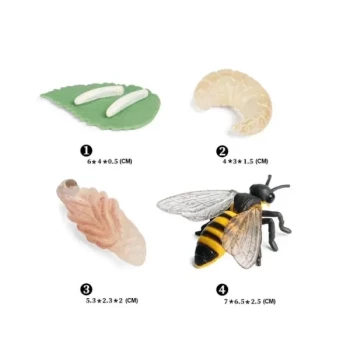
Educational observation hives function as a critical interface between human observers and the complex internal world of stingless bees. By utilizing transparent viewing windows, these hives allow students and prospective beekeepers to study internal social structures, storage behaviors, and larval development without physically opening the hive or disrupting the colony's natural rhythm.
These hives serve as essential hardware for translating abstract ecological concepts into interactive visual experiences. They bridge the gap between theory and practice, fostering conservation awareness while ensuring colony safety through non-intrusive observation methods.
Bridging the Gap Between Theory and Reality
Visualizing Abstract Ecology
The primary function of an observation hive is to convert theoretical knowledge into a direct visual experience.
Rather than relying on textbooks to explain ecological concepts, these hives allow students to witness the colony's social structure firsthand. This immediate visual connection is vital for promoting a deeper understanding of stingless bee conservation.
Enabling Non-Intrusive Technical Training
For prospective beekeepers, mastering the handling of a colony requires understanding its internal mechanics without causing stress.
Observation hives allow for the close monitoring of storage behaviors and larval development. This permits trainees to learn how to assess hive health and productivity without the risks associated with opening the hive structure.
Technical Specifications Supporting Education
Maintaining Environmental Stability
To function effectively as an educational tool, the hardware must protect the biological integrity of the colony.
High-quality observation hives utilize high-transparency, soundproof, and heat-insulating glass. This ensures that while the internal world is visible, the colony remains isolated from external noise and temperature fluctuations.
Detailed Behavioral Observation
The clarity provided by specialized glass interfaces allows for the observation of specific, minute behaviors.
Observers can track queen bee activities, worker bee cooperation, and the honey-making process at close range. This level of detail transforms a static biology lesson into a dynamic study of a living ecosystem.
Understanding the Trade-offs
Balancing Visibility with Colony Needs
While the goal is transparency, the biological requirement of the colony is darkness and stability.
A common pitfall is prioritizing the view over the hive's internal environment. The glass used must be capable of maintaining constant temperature and darkness when not in active use.
The Risk of Disturbance
Even with soundproof glass, observation hives are sensitive environments.
Extended exposure to light or vibration can stress the colony. Therefore, these hives are best viewed as "windows" that should be opened only for specific educational sessions, rather than left exposed permanently.
Maximizing Educational Impact
To get the most value out of an educational observation hive, align your usage with your specific objectives:
- If your primary focus is Environmental Education: Use the hive to demonstrate the cooperative social structure of the bees to build empathy and conservation awareness among students.
- If your primary focus is Technical Promotion: Utilize the viewing window to train beekeepers on identifying larval development stages and storage patterns without disturbing the bees.
By respecting the biological needs of the colony while leveraging transparent hardware, you turn a simple hive into a powerful engine for ecological education.
Summary Table:
| Key Function | Impact on Environmental Education | Value for Technical Promotion |
|---|---|---|
| Visual Interface | Converts abstract ecology into direct visual experiences. | Allows study of storage and larval development. |
| Non-Intrusive Design | Fosters conservation awareness without harming bees. | Teaches hive health assessment without colony stress. |
| Technical Hardware | Demonstrates internal social structures and cooperation. | Provides high-transparency monitoring with thermal stability. |
Scale Your Apiary Operations with HONESTBEE
At HONESTBEE, we understand the needs of commercial apiaries and distributors seeking high-quality, reliable equipment. We offer a comprehensive wholesale range, from specialized hardware like hive-making and honey-filling machines to essential beekeeping tools and industry consumables.
Whether you are looking to enhance your educational programs or streamline large-scale honey production, our portfolio provides the professional-grade tools necessary for success.
Unlock the full potential of your beekeeping business.
Contact us today to explore our wholesale solutions!
References
- Letícia Manuele dos Santos Sarmento, Fabrízia Sayuri Otani. Contribuição das abelhas e meliponicultura para o município de Santarém – PA. DOI: 10.30612/realizacao.v11i22.18949
This article is also based on technical information from HonestBee Knowledge Base .
Related Products
- Honey Bee Lifecycle Model: A Detailed Honeycomb Display of Bee Development
- Heavy-Duty Ergonomic Grip Galvanized Pollen Shovel
- HONESTBEE AC Powered Wire Embedder with Alligator Clips
- HONESTBEE Anatomy Bee Model Detailed Anatomical Display for Education and Study
- Modern Flat-Mount Hive Number Set for Beekeeping
People Also Ask
- Are honey bees good to have around? The Essential Role and Ecological Impact of Bees
- Why does standardized equipment lower honey bee winter loss? Master Large-Scale Beekeeping Success
- Do honey bees leave their hives? Understanding the Critical Role of Swarming
- What activities require a lot of energy for honey bees? Understanding the Colony's Energy Budget
- How do honey bees develop from egg to adult? The Complete 4-Stage Metamorphosis Guide