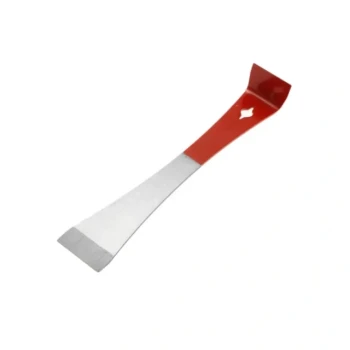
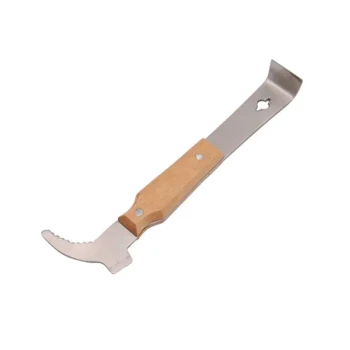
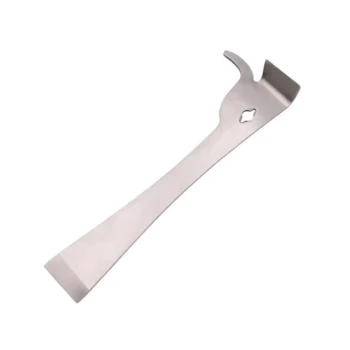
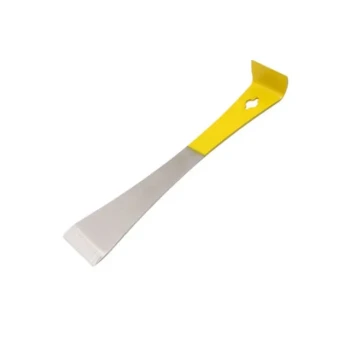
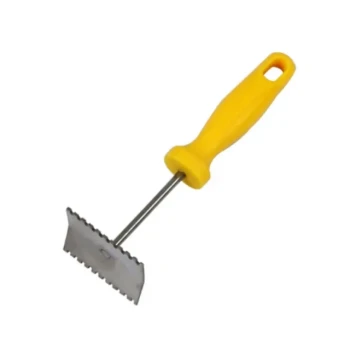
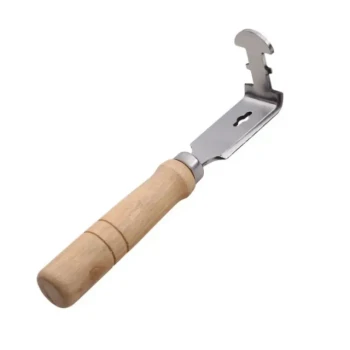
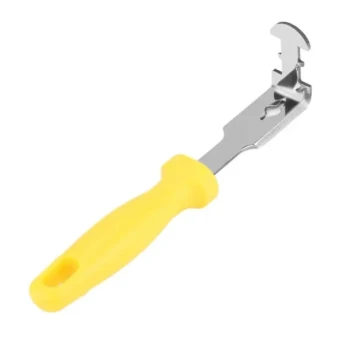
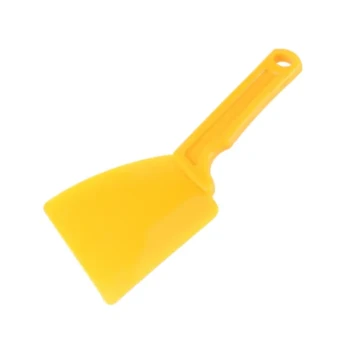
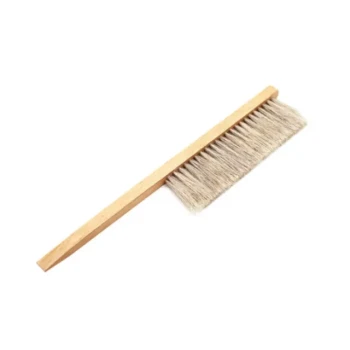
Beehive scrapers and cleaning tools specifically resolve sanitation issues related to the accumulation of organic debris and biological waste. During spring maintenance, these instruments are essential for physically removing overwintering detritus, wax scraps, and insect waste from bottom boards and deep crevices, which serves to eliminate the primary breeding grounds for molds and pathogens.
By physically disrupting the environment where pests like wax moths thrive, deep cleaning establishes a hygienic baseline that protects the colony’s health during the critical brood-rearing season.
Eliminating Biological Threats
The primary sanitation function of a hive scraper is the removal of hazardous organic material.
Removing Pathogen Vectors
Winter survival often leaves a hive with accumulated moisture and dead bees, leading to the growth of molds and bacteria.
Scraping bottom boards and corners removes this biomass effectively.
This physical cleaning reduces the pathogen load within the hive, preventing diseases from taking hold just as the colony begins to expand.
Disrupting Pest Lifecycles
Debris accumulating on the bottom board is a prime target for pests, specifically the wax moth.
Wax moth larvae feed on pollen, cocoons, and bee waste found in this debris.
By scraping this material out of the hive, you disrupt the life cycle of these pests before they can migrate up into the combs and damage the colony’s resources.
Restoring Mechanical Hygiene
Sanitation also extends to the structural cleanliness of the hive components.
Managing Propolis and Wax Bonding
Bees naturally seal cracks with propolis and build burr wax, which can fuse frames together over winter.
Hive tools use leverage to break these high-strength bonds without damaging the woodenware.
Removing this excess material is critical for future inspections, as it allows frames to be lifted without jarring the hive or crushing bees.
Ensuring Frame Mobility
Sanitation tools allow for the precise scraping of frame "ears" and runners.
If these contact points are left dirty, frames become immobile, making disease inspection impossible.
Cleaning these surfaces ensures that the hive remains serviceable and that the beekeeper can monitor brood health throughout the season.
Understanding the Trade-offs
While cleaning is vital, it is important to understand the balance between sanitation and the colony's natural defenses.
The "Sterile" Hive Fallacy
Bees coat the interior of their hive with propolis (bee glue), which has potent antimicrobial properties.
Over-scraping the interior walls to bare wood can actually remove this beneficial, natural "immune system" envelope.
Focus your scraping efforts on loose debris, burr wax, and bottom boards, rather than trying to polish every interior surface of the box.
Making the Right Choice for Your Goal
Effective spring maintenance requires using the tool to achieve specific outcomes based on the colony's condition.
- If your primary focus is Disease Prevention: Prioritize scraping the bottom board and corners to remove all damp organic matter and mold.
- If your primary focus is Ease of Inspection: Focus on scraping the frame rests and the sides of the frames to remove propolis buildup that hinders movement.
- If your primary focus is Equipment Longevity: Use the flat edge of the tool to gently separate boxes rather than prying aggressively, preventing damage to the wood.
A clean hive is not just about aesthetics; it is a physical barrier against disease that sets the stage for a productive season.
Summary Table:
| Sanitation Category | Issue Resolved | Benefit to Colony |
|---|---|---|
| Biological Waste | Accumulation of dead bees, mold, and moisture | Prevents disease outbreaks during brood-rearing |
| Pest Management | Debris buildup on bottom boards | Disrupts wax moth and hive beetle lifecycles |
| Mechanical Hygiene | Excessive propolis and burr wax bonding | Ensures frame mobility and easier, safer inspections |
| Structural Health | Organic matter in corners and crevices | Increases equipment longevity and prevents rot |
Elevate Your Apiary Management with HONESTBEE
Maintaining a hygienic hive is the foundation of a productive season. At HONESTBEE, we specialize in supporting commercial apiaries and distributors with high-quality, professional-grade beekeeping tools and machinery.
Whether you need precision hive-making and honey-filling machines to scale your operations, or a bulk supply of durable beekeeping scrapers and essential consumables, we provide the comprehensive wholesale solutions you need to succeed. Our portfolio even includes honey-themed cultural merchandise to help you engage your customers.
Ready to optimize your production and protect your colonies? Contact us today to discuss your wholesale requirements!
References
- Svetlana Bacal. New contributions to the knowledge of honey bee (Apis Mellifera) pests. DOI: 10.53937/icz10.2021.24
This article is also based on technical information from HonestBee Knowledge Base .
Related Products
- Professional Steel Pry-Bar Hive Tool with Painted Grip
- HONESTBEE Professional Multi-Functional Hive Tool with Ergonomic Wood Handle
- Professional Multi-Function Stainless Steel Hive Tool
- Professional Dual Action Queen Excluder Scraper for Beekeeping
- HONESTBEE Classic Pry Bar Hive Tool with High Visibility Finish for Beekeeping
People Also Ask
- What is the specific design and purpose of a frame lifter hive tool? Master Gentle Hive Inspections
- How does the frame lifter hive tool function? Master Safe and Gentle Frame Removal
- What is the primary purpose of using professional scrapers for red propolis sampling? Maximize Purity and B2B Value
- What is the role of a professional hive scraper in honey DNA metabarcoding? Ensure Precision in Genetic Analysis
- Why are specialized measuring tapes and rulers necessary for documenting bee hive structures? Precision Tools for Scale