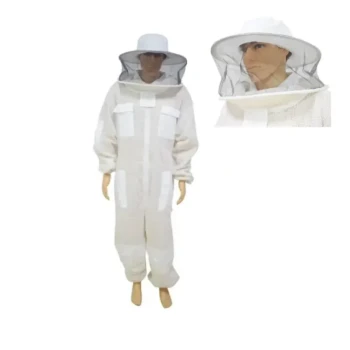
Professional beekeeping protective clothing primarily addresses the technical challenge of establishing a fail-safe physical barrier against bee stings. Through the use of specialized fabric structures and secure fastening designs, this equipment isolates the human body from the hive environment, mitigating the risk of injury during complex apiary tasks.
Core Takeaway While the immediate function of protective gear is injury prevention, its deeper technical purpose is operational scalability. By removing the physical threat and physiological stress of bee attacks, this equipment enables the transition from small-scale domestic keeping to efficient, continuous, industrial-grade operations.
The Engineering of the Physical Barrier
Specialized Fabric Structures
The foundation of professional protection lies in specialized fabric structures. These materials are engineered to be impenetrable to bee stings while maintaining the necessary durability for field work.
Secure Fastening Designs
A barrier is only effective if it is seamless. Professional gear utilizes secure fastening designs to eliminate gaps where bees could intrude.
Critical Seal Points
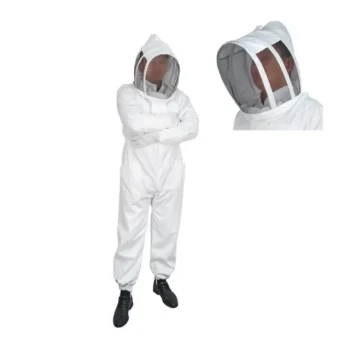
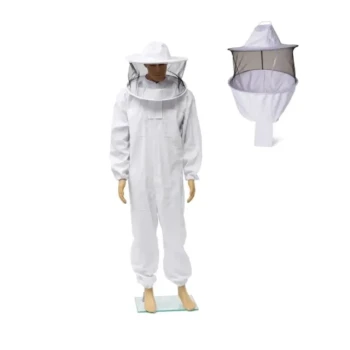
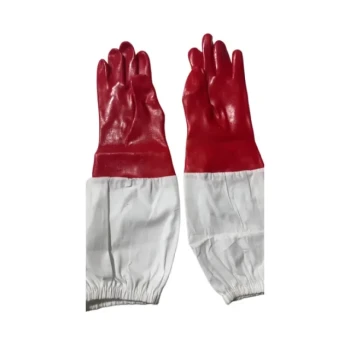
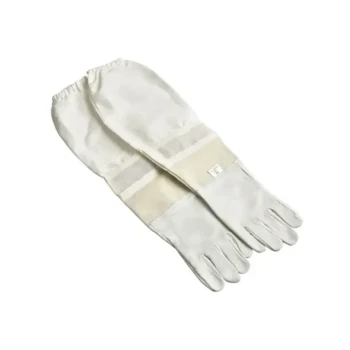
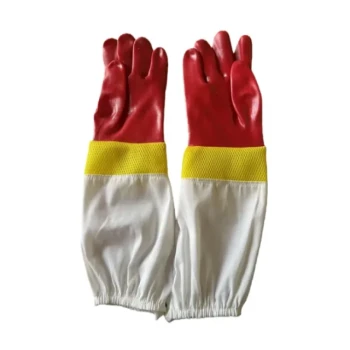
To ensure total isolation, high-quality suits feature tight elastic around vulnerable entry points, specifically the ankles and wrists. This prevents bees, which naturally crawl upwards, from bypassing the fabric protection.
Facial and Visual Protection
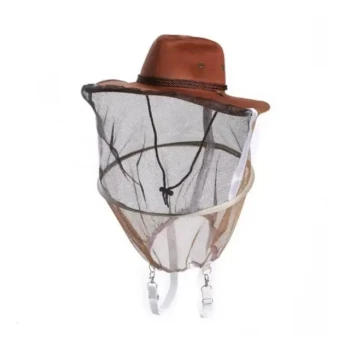
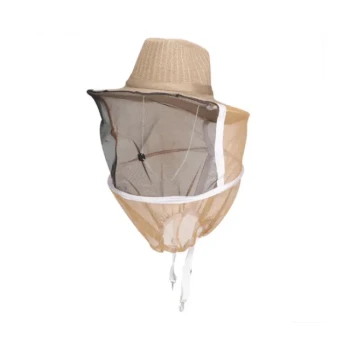
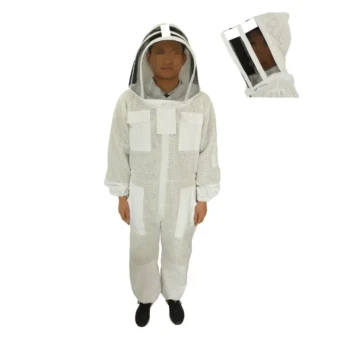
Veils serve as a critical component to shield the eyes and face—the most vulnerable areas for stings. These are integrated into the suit or jacket design to maintain visibility while ensuring a distinct separation from the bees.
Enabling Professional Scale Operations
Transition to Industrial Activity
The primary reference highlights that this gear is the catalyst for moving from domestic hobbies to professional, industrial-grade operations. Without this level of protection, the volume of work required for commercial beekeeping would be unsustainable.
Continuous Workflow Efficiency
Professional gear allows beekeepers to work efficiently across multiple apiary sites for extended periods. It removes the need for frequent breaks or cautious hesitation caused by the fear of stinging events.
Reduction of Physical Stress
Beyond acute injury, the gear addresses the challenge of physical stress. By neutralizing the threat of attack, the beekeeper can focus entirely on hive maintenance and logistics without the physiological toll of constant defensive maneuvering.
Design and Durability Considerations
Structural Integrity
To withstand the rigors of daily use, professional clothing often employs double-stitched seams. This construction technique ensures the suit does not fail mechanically during operation, which would compromise safety.
Operational Utility
Beekeeping requires the use of various instruments. Professional suits address this by incorporating practical features like multiple pockets, ensuring tools are accessible without breaking the protective seal to retrieve them.
Hygiene and Contaminant Control
Technical clothing also serves a hygienic function. By acting as a barrier, clean protective gear prevents the spread of dirt and contaminants into the hive, protecting honey quality and bee health.
Understanding the Trade-offs
Full Suits vs. Jackets
There is an inherent trade-off between total coverage and agility. Full suits offer comprehensive protection from head to toe, ideal for high-risk or industrial environments. Conversely, jackets protect only the upper body, offering greater ease of movement but leaving legs exposed.
The Experience Curve
New beekeepers often default to full suits for maximum security to reduce anxiety. However, experienced professionals may transition to jackets as they gain comfort, accepting slightly lower protection for increased mobility.
Maintenance Requirements
While durable, these specialized materials require care. The gear must be machine washable to remove pheromones and contaminants, but frequent washing can wear down fabrics over time if not constructed from high-quality materials.
Making the Right Choice for Your Goal
To select the appropriate protective gear, you must align the equipment with your operational scale and experience level.
- If your primary focus is Industrial Scale or Safety: Prioritize a full suit with specialized fabric and double-stitched seams to ensure continuous protection across multiple sites.
- If your primary focus is Agility and Inspection: Consider a jacket with a veil to maximize upper-body mobility while accepting the trade-off of exposed legs.
- If your primary focus is Hygiene and Durability: Select gear made from strong, machine-washable materials to maintain a contaminant-free environment for the hive.
Effective protective clothing is not just a shield; it is the essential tool that transforms beekeeping from a hazardous task into a managed, professional discipline.
Summary Table:
| Technical Challenge | Engineering Solution | Operational Benefit |
|---|---|---|
| Sting Penetration | Specialized high-density fabric | Ensures fail-safe physical barrier against stings |
| Entry Gaps | Secure fastenings & elastic seals | Eliminates vulnerabilities at wrists and ankles |
| Facial Vulnerability | Integrated mesh veils | Maintains visibility while protecting eyes and face |
| Physical Fatigue | Ergonomic design & breathable materials | Reduces physiological stress for continuous work |
| Durability | Double-stitched seams | Prevents mechanical failure in industrial settings |
| Hygiene | Machine-washable materials | Controls contaminants and pheromone buildup |
Scale Your Apiary Operations with HONESTBEE
Transitioning from hobbyist to industrial-grade beekeeping requires equipment that guarantees both safety and efficiency. HONESTBEE empowers commercial apiaries and distributors by supplying a comprehensive wholesale range of professional protective gear, hive-making machinery, and honey-processing equipment.
Our specialized hardware and high-performance consumables are designed to minimize physical stress and maximize your workflow across multiple sites. Whether you are stocking essential protective suits or seeking advanced honey-filling machines, our portfolio delivers the durability and precision your business demands.
Ready to elevate your beekeeping business?
Contact us today to explore our wholesale solutions
References
- Ameline Lehébel-Péron, Bertrand Schatz. De la ruche-tronc à la ruche à cadres : ethnoécologie historique de l’apiculture en Cévennes. DOI: 10.4000/ethnoecologie.2531
This article is also based on technical information from HonestBee Knowledge Base .
Related Products
- Premium Cowboy Beekeeper Hat with Visibility Veil Outdoor Professional Beekeeping Protective Gear
- Professional Beekeeper Suit with Square Folding Cotton Veil
- White Cotton Beekeeping Jacket and Veil for Bee Keepers
- Professional Beekeeping Suit for Kids and Girls Childrens Bee Keeper Suit
- Beekeeping Jacket with Hood and Veil for Beekeepers
People Also Ask
- What design features contribute to the stability and fit of the beekeeper hat? Key Features for Maximum Hive Safety
- How is the beekeeper hat designed for comfort and practicality? Explore Key Features for Enhanced Apiary Safety
- What is the general protective gear recommendation for new beekeepers? Your Essential Beginner's Safety Guide
- How does beekeeping protective gear facilitate the queen bee selection process? Enhancing Precision in Queen Breeding
- What should beekeepers consider when choosing protective gear? A Guide for Maximum Safety & Comfort